Category

News

Breaking the routine. Ivan Davydenko shares his experience of a literary residency within the “Culture at Work” project

By News

After this month, I think of the residency not as a series of “interventions”, but rather as an exercise in recovering visibility, choice, and relation. It was not about me coming into the company and “teaching art” to anyone. It was more about introducing a somewhat different dynamic. A little disruption, but a meaningful one. A few questions, a few shifts. A little conversation about what we listen to, what we read, how we think, what we regard as our own, and what we have accepted unknowingly. If, as a result of those conversations, some processes were set in motion in people, even small ones, even without a ready answer, that is already a great deal. It is not always visible directly. Sometimes it comes only in the form of a joke, an association, a change of tone, a question asked in passing. But that is usually where something begins.

At a time when there is an ongoing debate about artists’ working conditions and their role in society, it is worth looking at specific examples that demonstrate how culture works outside institutions and stages. The “Culture at Work” (“Kultura w Pracy”) project originated from the belief that the presence of artists can enrich workplaces, bring in new perspectives and create space for conversations where life usually revolves around routine. Art can be present in everyday spaces, even those where you might not expect to find it – in companies and workplaces too.
Ivan Davydenko, who collaborated on the first literary residency of the programme, shares his experience from a month spent at Medisept. During this time, he observed, held numerous conversations, and wrote texts at the heart of the company. As he puts it, “One of its assumptions, after all, was the reduction of isolation: opening companies to the presence of an artist, and opening the artist to people with whom he would not ordinarily have direct contact.”
In the interview below, you will learn why, according to the author, the task of the artist is, among other things, to dismantle harmful ideas about art and culture, and how the presence of an artist in a workplace may foster conversations that change the way you perceive yourself and others.
We encourage you to read the first interview in the series summarising the literary residencies that were completed within the “Culture at Work” project. The interview and its editorial preparation were carried out by Ralph Talmont. Please scroll down for the English version.

CLICK HERE TO READ THE WHOLE INTERVIEW WITH IVAN DAVYDENKO

Translated by Zofia Świerszcz
Proofread by Aleksandra Górecka

From the Union of Lublin to the European Capital of Culture: Jarosław Koziara’s Balloons Return to Bramowa Street

By News

Jarosław Koziara’s balloons are returning to Bramowa Street. As part of the celebrations marking the Union of Lublin Day, sixteen monumental installations will once again float above the historic route leading to the Old Town. This year, the installation tells not only the story of the city’s celebration, but also of the idea of European unity and Lublin’s journey towards the title of European Capital of Culture 2029.

The installation will feature sixteen balloons representing past, present and future European Capitals of Culture. Each balloon reflects the identity of a different city, together creating a symbolic image of Europe—diverse, yet united by shared values and the exchange of experiences. Under the common slogan Re:UNION, the balloons will transform the space above Bramowa Street into a visual dialogue between cities, cultures and histories.

Jarosław Koziara’s project has long been one of the most distinctive artistic interventions in Lublin’s public space.

This year’s edition is a symbolic invitation to reflect on Lublin’s future as a city open to culture, dialogue and collaboration. For several days, Bramowa Street will become a place where two ideas meet: the memory of the Union of Lublin and the vision of a Europe built through culture.

🇺🇦 Lviv • 🇲🇪 Nikšić • 🇯🇵 Japan FEST • 🇱🇹 Kaunas • 🇫🇮 Oulu • 🇸🇰 Trenčín • 🇱🇻 Liepāja • 🇵🇹 Évora • 🇫🇷 Bourges • 🇲🇰 Skopje • 🇨🇿 České Budějovice • 🇸🇪 Kiruna • 🇧🇪 Leuven • 🇨🇾 Larnaca • 🇩🇪 Chemnitz • 🇸🇮 Nova Gorica,

along with the Polish Capitals of Culture: Bielsko-Biała, Katowice and Kołobrzeg.

fot. Tomasz Kulbowski

Under the slogan RE:UNION, the past meets the future—the memory of the Union of Lublin merges with a vision of Europe in which culture builds bridges between people and cities.

See you on Bramowa Street!

Lessons from Évora 2027: City, Residents, and Heritage

By News

Next stop: Évora 2027! What have we learnt from the future European Capital of Culture?
The middle of May 2026 brought us an exceptionally inspiring journey to the Portuguese city of Évora. We took part in the international meeting of the “ECoC Family – 20th Anniversary” network. The event created a space for exchanging experiences between the previous, current and next European Capitals of Culture — an exchange that always brings fresh perspectives and new insights.
During dynamic expert panels, we discussed the conceptualisation of programmes, the level of European engagement and sustainable long-term legacy. We also had the opportunity to experience an up-close preview of Évora’s artistic programme for 2027.

From Theory to Living Culture in Urban Space
On the first day of the conference, one of the highlights of the programme was a panel devoted to the themes of host cities. Representatives of European Capitals of Culture – Andrea Pier from Chemnitz 2025, Sjoerd Bootsma from Leeuwarden-Fryslân 2018, and John Romão, Artistic Director of Évora 2027 – discussed how the original idea of ECoC evolves and shifts throughout the demanding process of turning it into reality. The speakers emphasised the significant impact that local policies and the cultural environment of each place have on this process. Every city must come to terms with the history of its own region. The key to success lies in bringing the idea of Europeanness and the European Capital of Culture directly to residents. It is them who should feel like citizens of Europe and co-creators of the programme by volunteering, taking part in open calls and directly participating in artistic projects.

A Taste of Évora 2027
Theory quickly gave way to practice. During the curatorial visit entitled “A Taste of Évora 2027 – Artistic Programme”, we saw how artistic projects can work in public space and genuinely engage local communities. By the city’s cathedral, Helena Zuber presented “Ebora Musica” – a project focused on musical heritage as a tool for building community and fostering international relations.
The Malvada collective introduced “Aqueduto”, a project that masterfully weaves together the city’s historic infrastructure and urban landscape with storytelling. Sara Anjo talked about her project dedicated to the Almansor River; the project is based on a relationship with the natural environment, the memory of place and an exploration of the local context. At the former bus station Antiga Rodoviária, John Romão presented the concept of the future “House of Crafts” (“Casa do Saber-Fazer”) – a space connected with local craft and handicraft traditions. In the city garden Jardim Público de Évora, near the Palácio de Dom Manuel, we had the opportunity to see the performance of the multigenerational community choir “Coro Vozes de Abril”. It was a vivid example of a project built on active participation by residents, and the establishment of long-term relationships through culture. The day concluded with a performance of the traditional puppet show called “Bonecos de Santo Aleixo”, produced by Centro Dramático de Évora (Cendrev), who showed how Évora 2027 plans to weave the traditional intangible heritage of the Alentejo region into a modern, cultural programme.

Heritage as the Foundation of a Modern Institution
The São Bento de Cástris monastery serves as the official headquarters of the Évora 2027 team. It is a great example of adapting historic heritage to the needs of a contemporary cultural institution: former monastic rooms have become a working space, and a venue for debates, international gatherings, and initiatives that are developed together with residents. The organisers demonstrate that historic architecture can become a powerful part of the narrative and identity of the entire programme.
Within these inspiring walls, we took part in two expert panels. The first one was devoted to the European engagement was moderated by Vuk Radulovic. The panel was focused on a question of how to develop international partnerships without losing a strong connection with the local community. Seasoned ECoC experts – Beatriz Garcia and Else Christensen-Redzepovic – shared their experience alongside Mija Lorbek, representing Nova Gorica/Gorizia 2025. The second discussion was devoted to legacy, and addressed the lasting impact of the programme after the year of celebration comes to an end. The experts – Rafaela Neiva Ganga from the University of Liverpool, Jan Stepan from Depo 2015, and Pascal Keiser from Bourges 2028 – discussed the long-term influence of the European Capital of Culture title on urban development, the expanding the cultural sector’s capacities and engagement of residents.

The study visit to Évora proved to be highly valuable from the perspective of networking and mutual exchange. Gathering insights from the experiences of experts representing other European Capitals of Culture is an invaluable resource. They will undoubtedly play a significant role in the continued dynamic development of the European Capital of Culture Lublin 2029 programme.

Marta Ryczkowska
Małgorzata Drozd-Domaciuk

Translated by: Aleksandra Górecka
Proofread by: Zofia Świerszcz

ECoC and LOT Metropolia Lublin in Asia

By News

In recent years, European Capitals of Culture have seen at least a 30% increase in visitor interest. The successes of cities such as San Sebastián, Matera, Liverpool, Glasgow, and Wrocław are impressive, and they clearly signal a real opportunity for Lublin as well. Especially considering forecasts for Poland, which suggest that by 2030 the number of visitors could reach 140 million. One thing is certain: the work has to start today.

For Lublin, a 30% increase in tourism would translate into roughly 811,000 additional visitors (based on 2025 data). Research from other European Capitals of Culture shows that these visitors are primarily drawn by the ECoC brand and curiosity about the city, but also include audiences attending cultural events, who tend to stay longer and engage with the city’s broader tourist offerings. At every step, we hear what we already know well: this is a segment worth investing in – and worth doing so early.

photo: Maciej Rukasz

So far, together with LOT Metropolia Lublin, we have visited Rome and Lyon, participated in major tourism fairs, and held local meetings. We’ve told the story of Lublin, shared the city’s cultural offerings, and outlined our plans for 2029.

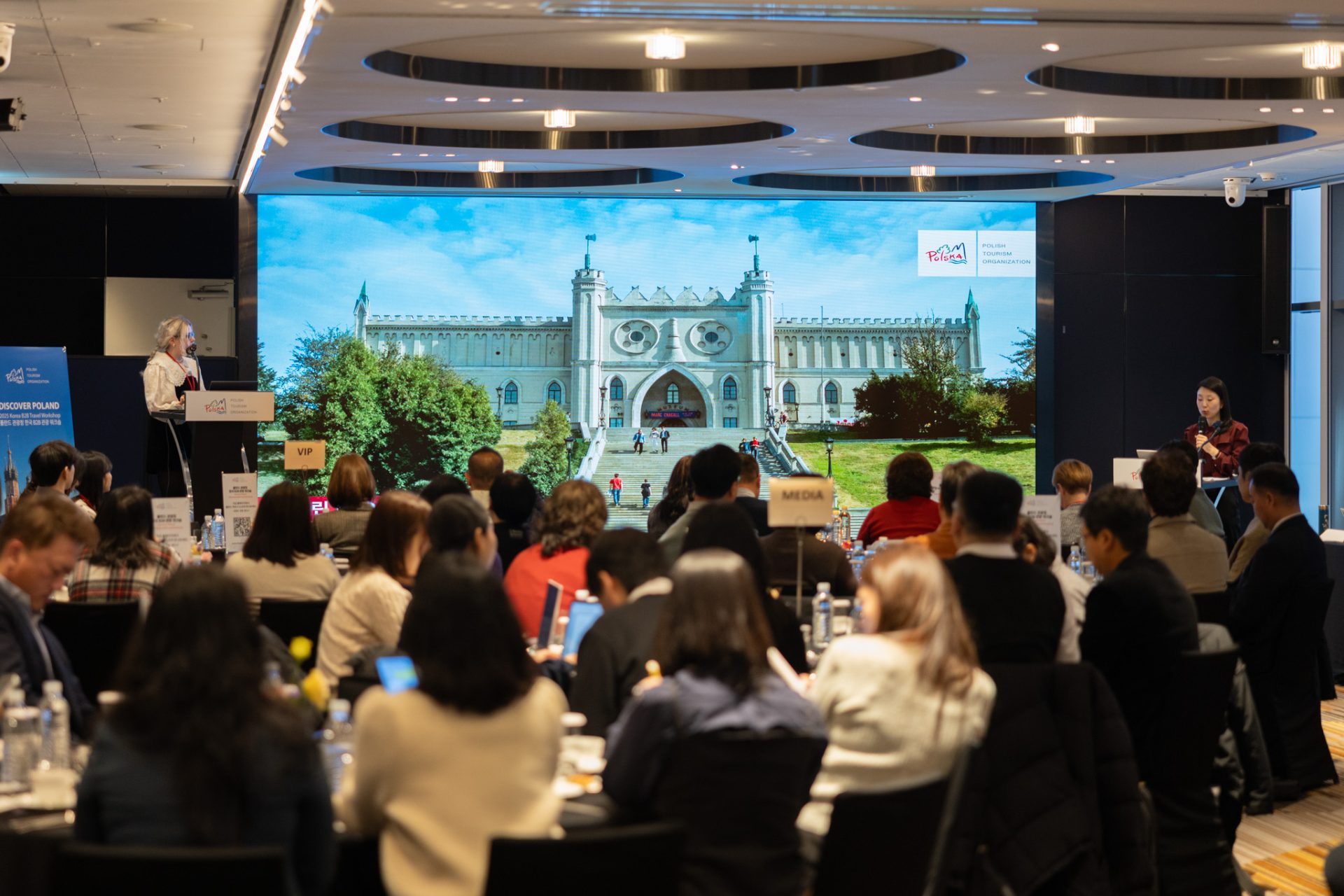
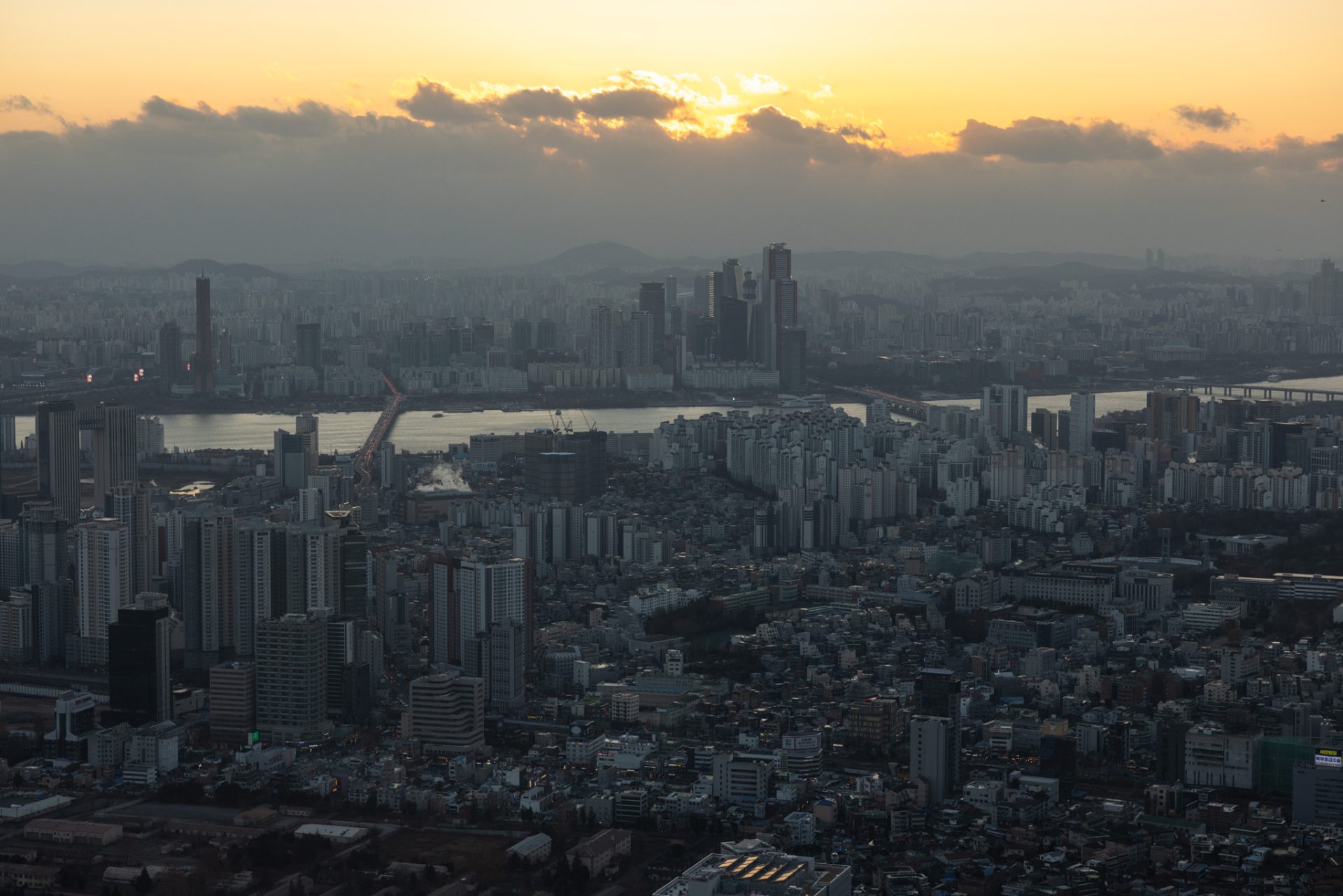
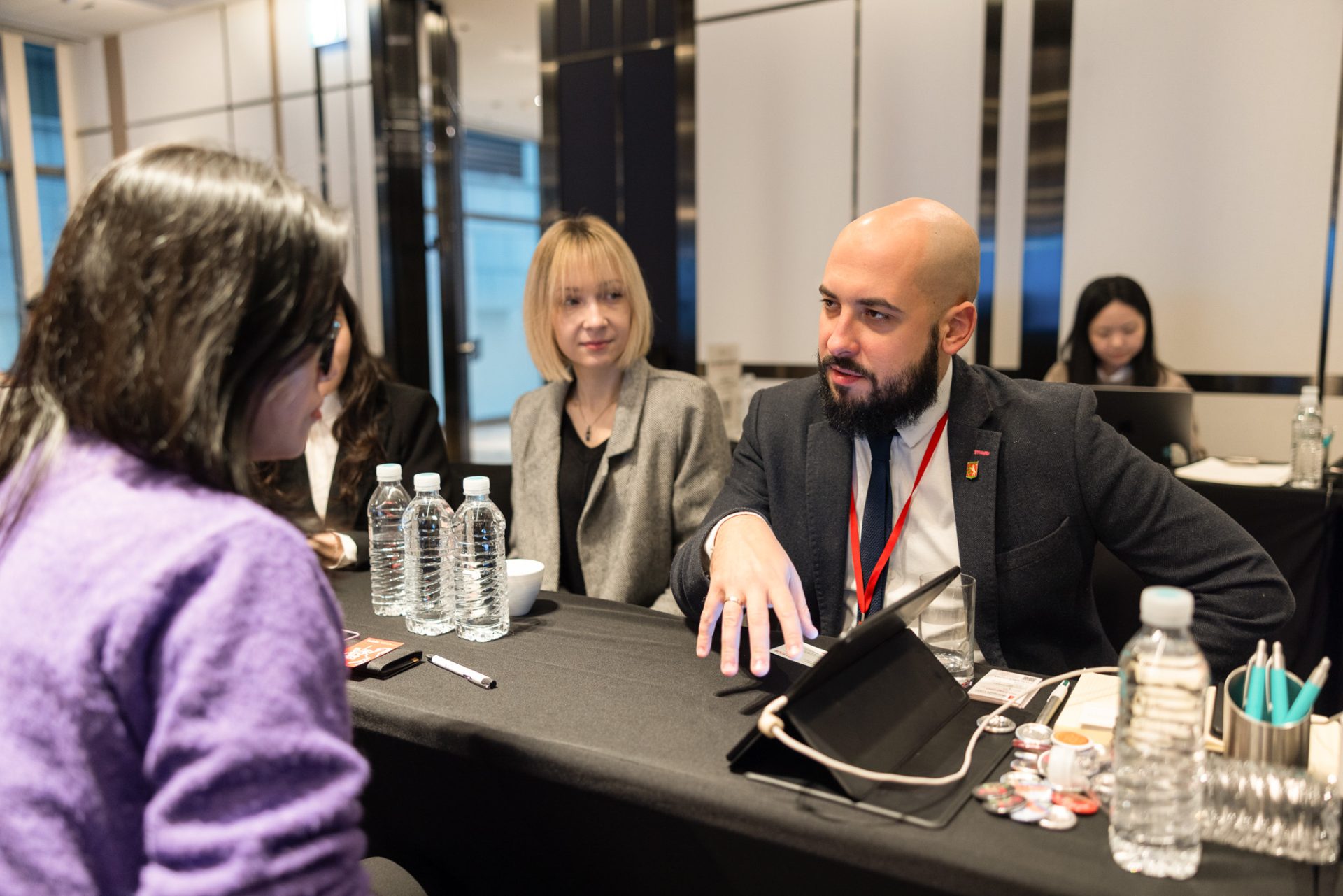
In December 2025, thanks to an invitation from LOT Metropolia Lublin and the Polish Tourism Organization, we set off for Asia. The first day of the joint trip with Maciej Rukasz from Lublin 2029 and Krzysztof Raganowicz from the Local Tourism Organization Metropolia Lublin was filled with meetings with South Korean tour operators. Increasingly, they are factoring Central Europe into their planning, highlighting Poland as a destination seen on domestic markets as relatively “exotic,” yet safe and accessible. Growing cultural curiosity, combined with global travel trends, drives the need for diversification in their offerings. This is why Poland – and Lublin in particular – are appearing more often in catalogs of potential destinations. At the same time, we held discussions with representatives of travel comparison platforms, service providers, and industry associations representing travel agencies, which allowed us to place these observations in a broader, systemic market context.

photo: Maciej Rukasz

It’s not about the “climate,” but about seasonality. Not about “atmosphere,” but about the scale of the city and the rhythm of its days. Korean partners are primarily looking for a coherent proposition – a city that knows who it is and how it inspires. For those designing travel programs, professionals who craft journeys based on meaning, timing, and client expectations, the intensity of the cultural program, the types of events, and accessibility – particularly cultural accessibility – are key. Following the example of seaside resorts, which communicate the number of sunny days in a year, we are increasingly measuring the number of days filled with cultural events. The city’s cultural program remains an element of its offer – in our case, a fundamental one. The first results of our work are already visible, although the full effect will be visible in 2 or 3 years.

photo: Maciej Rukasz

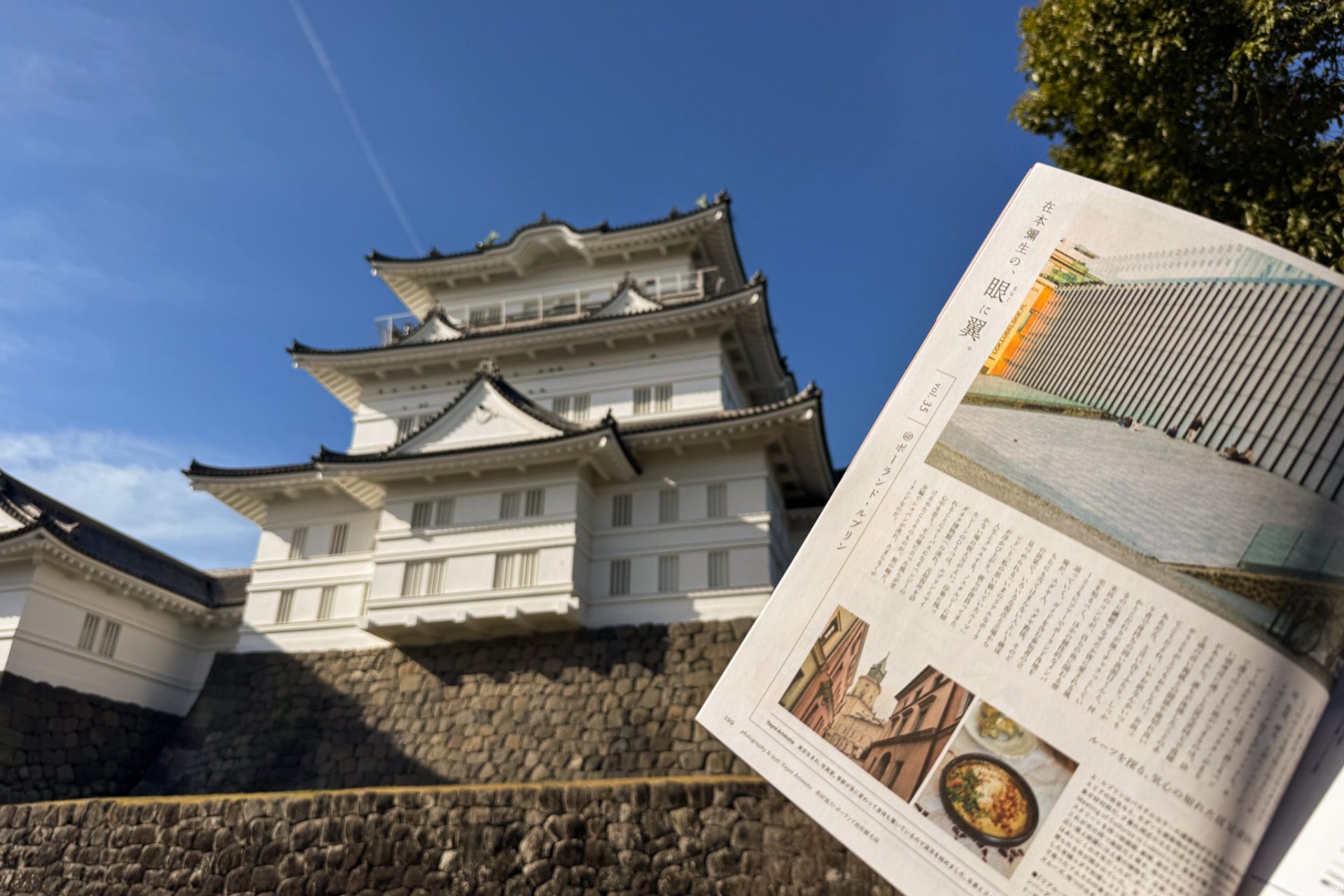
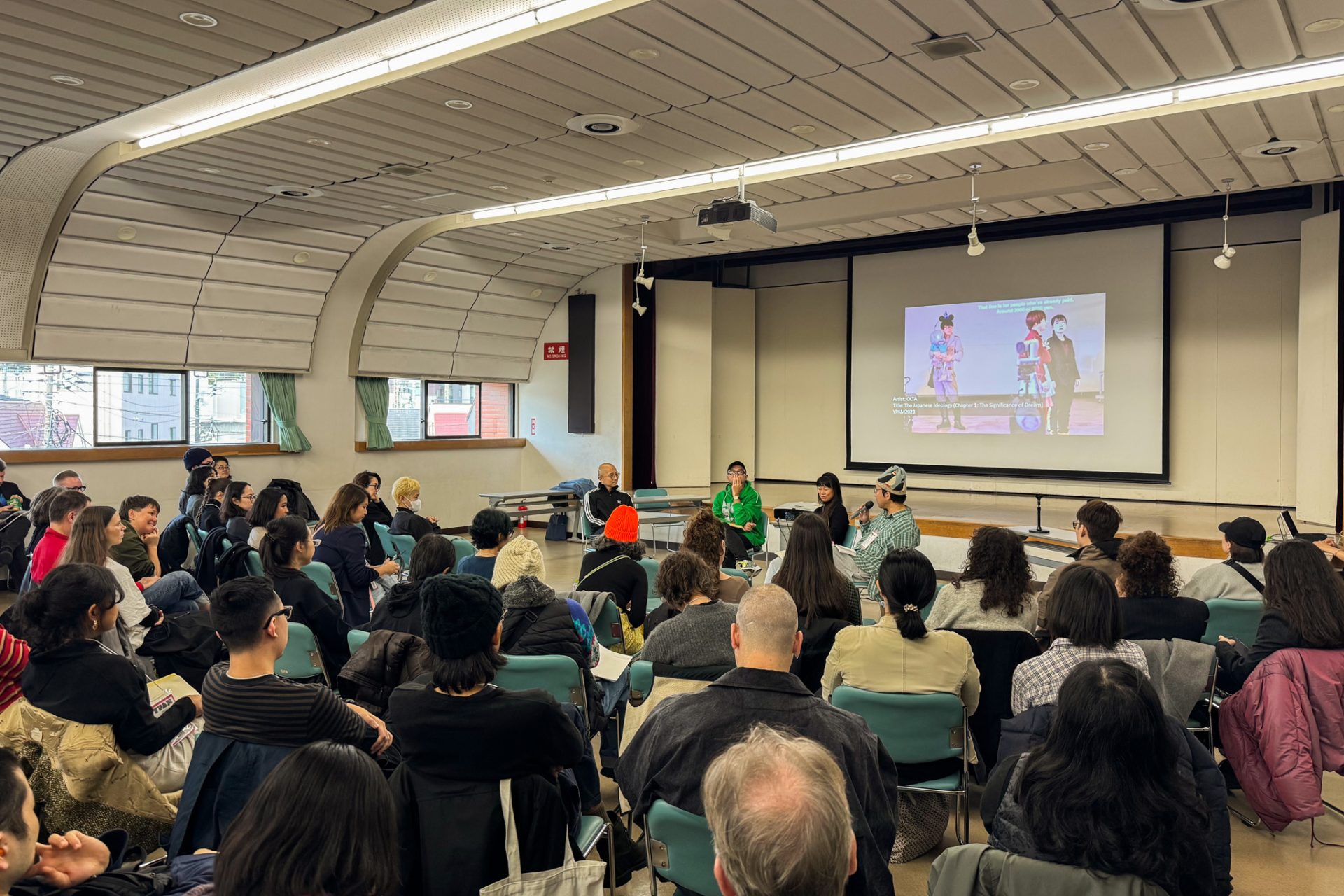
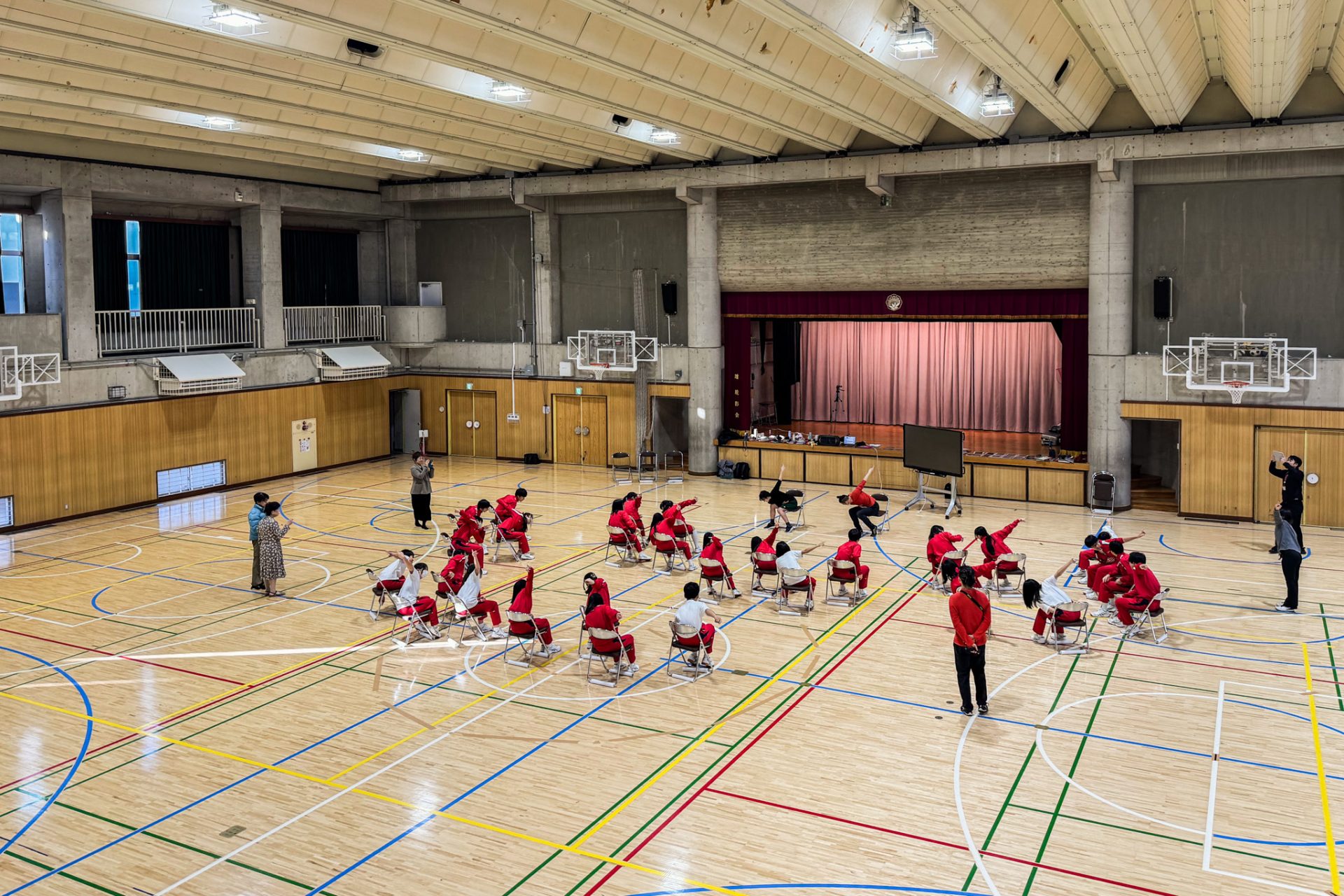
After two intense days in Seoul, we moved on to Japan, where the story of the European Capital of Culture program takes on a slightly different shape. These were already successive meetings with Japanese partners, who know Lublin, having visited it before – both through EU-Japan Fest and via Japanese journalists and content creators, resulting, among other things, in an article about Lublin in Madame Figaro. Here, we have more time for conversation. Beyond meetings with the Polish Institute and the Overseas Branch of the Polish Tourism Organization, we spend many hours at YPAM – the Yokohama Performing Arts Meeting. This was our second time in Yokohama. Meetings continue, and discussions about collaboration become more concrete. Our focus is on artist mobility programs, collaboration networks, and the exchange of ideas. In this environment, Lublin operates not as a “city to visit,” but as a potential partner. Cultural tourism becomes a natural outcome of the city’s presence in the international art circulation.

photo: Maciej Rukasz

A European Capital of Culture needs visitors not to boost statistics, but to enter the international exchange. Cultural tourism allows a city to step outside its own narratives and see if they make sense elsewhere. This is especially important in the context of Asia, where travel decisions to Europe are usually the result of a long process, rather than an impulse. The presence of artists from Korea and Japan plays an essential role in these decisions.

photo: Maciej Rukasz


photo: Maciej Rukasz

We gathered extensive experience working with guests from Korea and Japan: the need for precise information, the importance of cultural context, the role of detail and preparation. Expectations of hosts are different, the pace of touring is different, the way questions are asked is different. This is knowledge you cannot gain from reports alone – it must be lived, sometimes through minor mistakes, in order to understand how not to repeat them.

We see the opportunities that the European Capital of Culture brings. We know that work on the hospitality program must start as early and as broadly as possible – beyond the city, beyond Europe, beyond the obvious circles of recipients. It is not about “being everywhere,” but about knowing where and why we appear.

photo: Maciej Rukasz

Korea and Japan were and are not exotic add-ons to our map of activities. This visit was a test of whether Lublin can tell its story in a way that is clear, concrete, and compelling enough for someone to want to return to it.

photo: Maciej Rukasz


Differences make us free. Freedom makes us proud. Pride makes us one. We are Lublin.

By News

We are the people creating the European Capital of Culture, and today we stand firmly with the new residents of our city. We express our full, personal support for initiatives led by communities with migration experience, with particular recognition for the Africa Day Festival.

At the heart of Lublin 2029 is RE:UNION. Today, this also means building a real, inclusive community within the city’s social and cultural space. Lublin is our shared home, built on trust, empathy, and cooperation — a place where exclusion has no place.

The European Capital of Culture is founded on inclusion, participation, and the active co-creation of culture by everyone. We wrote our bid with full awareness of the historical and cultural processes that shaped the Lublin we know today. We want to continue building a city that is open, diverse, welcoming — a city of dialogue and understanding.

As part of the European Capital of Culture, we will continue without hesitation to carry out projects that tear down walls and build bridges. Culture is a space where people from different countries can meet, where new residents can become part of the community, and where new bonds can be created.

We are here to defend, without compromise, what matters most: dignity, freedom, and the equal right to the city. Diversity is the foundation of the European Capital of Culture. Supporting the Africa Day Festival is a natural consequence of the values and direction we stand for. Thanks to initiatives like this, we are becoming the Lublin we truly believe in.

The European Capital of Culture Lublin 2029 Institution and the Officers’ Corps for Creative Europe Priorities at the European Capital of Culture Lublin 2029

Between everyday life and performance. A new residency in the “Culture at Work” project.

By News

Following the first literary residency carried out in collaboration with Ivan Davydenko, the “Culture at Work” („Kultura w pracy”) project is entering its next stage. The second artistic residency will begin on the 14th of May, developed in partnership with Medisept and Tarasola.

This time, visual art, performance and practices based on the observation of everyday relationships are entering the workplace. The next artist-in-residence is Barbara Gryka – a visual artist from Końskowola, living and working in Lublin. In her practice, she explores the ways we function together; she examines social rituals, mechanisms of norm construction and tensions between the private and the public. In her works, she blurs the boundaries between the past and the present, seeking to imagine new forms of community and relationships in the context of Eastern Europe.

Her work is rooted in performance, embroidery, installation, and video. In one of her projects, she visited the residents of the LSM housing estate in Lublin, knocking on doors and inviting people to talk. In the “`Motorcycles Dance” project („Taniec Motocykli”), she led a group of eight men on motorcycles performing a Lublin folk dance. In a different one, called “Dance at Hights” („Taniec na Wysokości”), she collaborated with women practicing high-altitude climbing, leading them in the rhythm of a folk dance along the walls of a former bunker. In her work, she also reaches back into historical archives, addressing women’s issues, memory and systemic violence. Her projects often begin with encounters and the careful observation of people and places.

Barbara Gryka’s works have been presented, among others, at the Museum of Modern Art and Zachęta in Warsaw, during Manifesta 14, at Galeria Labirynt in Lublin and at the Kaunas Biennial. The artist has also completed residencies in Barcelona, Athens and Ostrava. In 2026, she received a Doctor of Fine Arts degree from the Academy of Fine Arts in Warsaw.
Her project works develop the idea of art functioning close to everyday life – not as an addition to the workplace, but as an impulse for conversation, pause and looking at familiar spaces from a different perspective. The residency will be based on contact with employees, the rhythm of everyday activities and the relationships built within the organization. The next artistic activities will emerge precisely from these encounters.

The “Culture at Work” („Kultura w pracy”) project, implemented as part of European Capital of Culture Lublin 2029, develops the format of artistic residencies in workplaces, inviting artists to carry out activities directly within professional environments.

Lublin promotes reading. We are joining the Polish nationwide #ReadingDad campaign

By News

Reading really develops your brain! Reading together with your child brings closeness, and supports both emotional development and vocabulary acquisition. It also fosters forming skills that will stay with us for the rest of our lives. That is why we are thrilled to be joining this year’s edition of the Polish nationwide #ReadingDad (#TataTeżCzyta) campaign organised by Universal Reading Foundation (Fundacja Powszechnego Czytania).
The slogan for this year’s edition is “Reading develops the brain!” Research shows that up to 85% of brain volume is formed by the age of 3, and reading together with a child, accompanied by interaction, stimulates language development, memory, imagination and social skills.

The #ReadingDad campaign encourages men – not only dads, but granddads, uncles, elder brothers, teachers, and coaches too – to actively engage in reading with children. This is especially important, because – according to the annual survey by the National Library of Poland that has tracked reading habits – 47% of women and only 34% of men read books. The campaign’s organizers emphasize that building a reading culture and strengthening reading habits among children require the involvement of both parents. Research also indicates that children develop reading habits not only by having contact with books, but also through observing the everyday attitude of grown-ups towards reading. Because of this, it is crucial for children to have a male figure in their lives for whom reading is natural and part of their routine. Seeing a dad, granddad or older brother with a book makes the act of reading look meaningful and turns it into something important for the child.

The #ReadingDad also gives an opportunity to talk about men as readers. We should discuss the need to pick up a book not only for the sake of the children, but for personal growth, reflection and cultural engagement as well. Reading books on a regular basis enhances language and communication skills, expands worldview, strengthens attention span and encourages deeper reflection and analysis. In a world flooded with instant messaging and short-form content, books still serve as one of the key tools for stimulating imagination, and improving social skills. Reading is a form of development that does not belong to any specific age or gender.

Across Poland, the campaign features events promoting shared reading with the participation of many cities, libraries, schools, companies, and cultural institutions. We want to be a part of this change too, and contribute to building a reading culture which starts with a couple of simple daily habits, such as reading a few pages, having bedtime talks, or visiting a library.

As the European Capital of Culture 2029, we wish to encourage residents to spend time with books together, and show that reading can simply become a part of a daily routine, no matter the age or interests. Brochures, posters, bookmarks, and other materials promoting the #ReadingDad campaign will be distributed across the city; libraries, bookshops, schools, preschools and sports institutions are joining in the activities. Local athletes will engage in the campaign as well, and try to prove that reading and sports are a perfect match. One of our priorities is also promoting the idea of bookcrossing, which involves encouraging local residents to share books and to work together to build an open, reading community in this way.

Come, join the #ReadingDad campaign!

If you would like to take part in the campaign and engage your workplace in #ReadingDad, all information about the initiative and the materials available for use can be found on the website: tatatezczyta.pl
(for the English version of the materials click here: https://www.tatatezczyta.pl/wp-content/uploads/2026/04/TTCz25-srodekcover-ENG_b_l-2.pdf)

Translated by: Zofia Świerszcz
Corrected by: Gabriela Niewadzi

How to Research Culture Today? Conclusions from the 2nd National Observatory of Culture Forum

By News

The Wrocław Forum of the National Culture Observatory started with a question resonating ever more strongly throughout the whole cultural sector: do cultural institutions still know how people really engage in culture?

For years, we have measured culture by attendance figures, ticket sales and turnout at events. Meanwhile, everyday cultural practices are increasingly taking place outside the walls of institutions: in headphones on the way to work, on social media, in the act of watching a TV series, in the micro-rituals that organise the daily life. Culture has not disappeared. It has merely changed its location, pace and mode of presence.

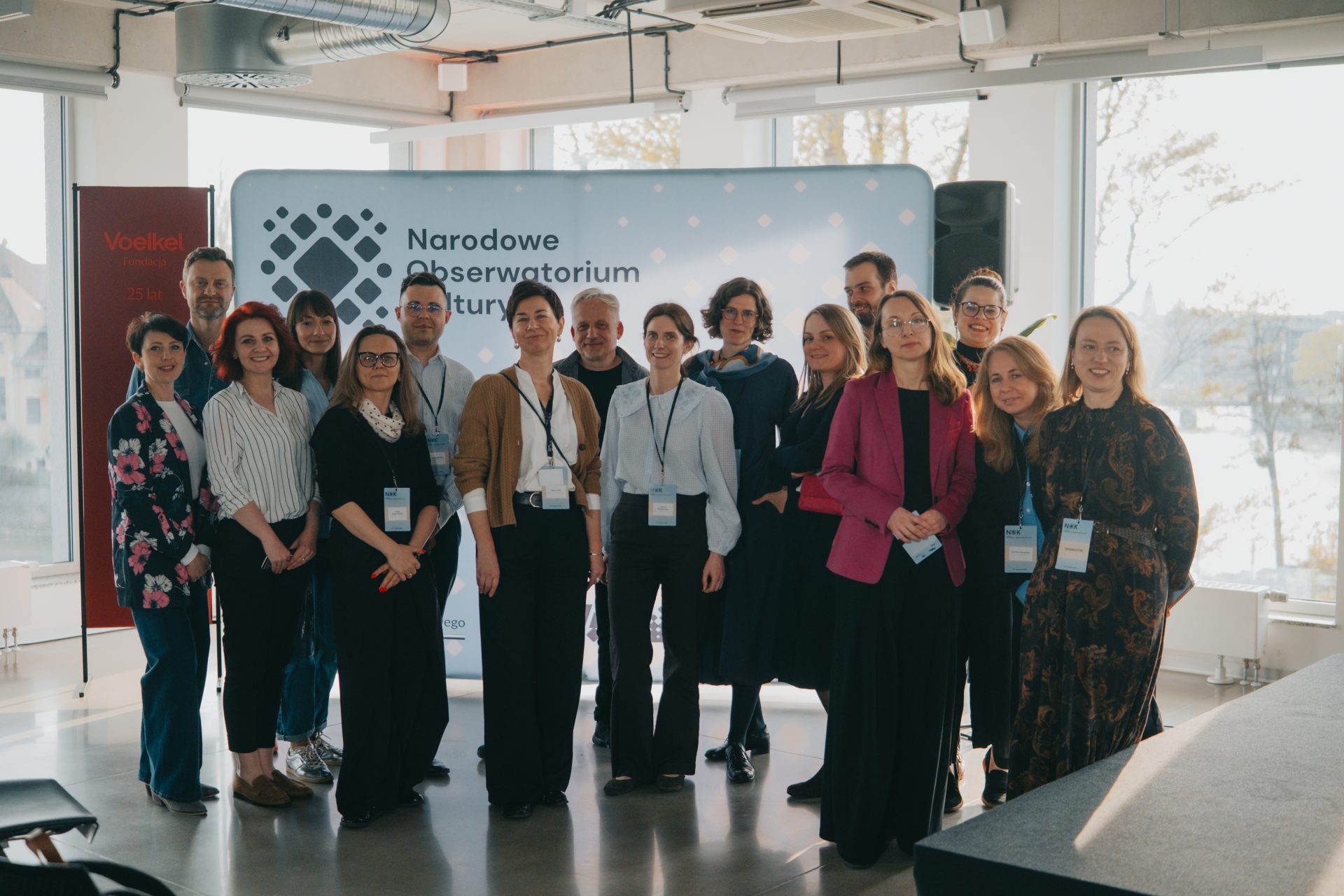
It was precisely this change that the 2nd Forum of the National Observatory of Culture in Wrocław focused on. The event brought together 200 representatives of cultural institutions, researchers and organisations involved in analysing the cultural sector in Poland. Two eventful days featured multiple panels and debates addressing the broader role of cultural research. Discussions centred on the purpose and practical implementation of research findings in everyday practice, translating needs into institutional outcomes, and incorporating a research perspective into the creation of cultural policies.
Together with the speakers, we analysed social phenomena that truly change cultural engagement in the geopolitical and local context. The forum began with a summary of the NOoC activities over the past year and a presentation of the report Active and Absent. Contextual research into cultural participation (Aktywni i nieobecni. Kontekstowe badania uczestnictwa w kulturze) held by Marek Krajewski from Adam Mickiewicz University in Poznań. He presented surprising findings regarding the ways in which people interact with culture and draw on it in the everyday life context. The survey was conducted during the panel, using the CAWI method on a sample of 1,026 people representative of the Polish population.
As it turned out, people are most likely to engage with culture outside the walls of institutions; therefore, it is important to rethink its role and answer the question – what should a public cultural space become in order to meet social needs and challenges?

The key findings of the report are as follows:
– Cultural institutions are an incredibly important part of the ecosystem of cultural engagement, and both supporting them and strengthening their public character is essential to the existence of harmoniously developing communities.
– Cultural engagement is deeply rooted in everyday instrumental activities.
– Interaction with culture is highly mediated by networked media, and often takes place entirely outside the realm of cultural institutions.
– Everyday cultural engagement does not directly involve cultural institutions; however, this does not mean that their resources are not utilised or that they do not play a significant role.
– Everyday cultural engagement often manifests as a solitary practice and serves an isolating rather than a socializing role.
– Interaction with culture is not a random collection of activities, but a patterned practice. This, in turn, allows us to identify several segments of people engaging in culture.
– An important aspect of contemporary culture is its strong aurality, which is particularly present in everyday life and highlighting social differences in an interesting way.
– The main factors determining the intensity of everyday cultural activities are education, gender and occupational status and not financial situation, place of residence or household size.
– The ways in which women and men engage with culture differ not so much in terms of intensity, but rather in terms of temporality and how deeply they are embedded in everyday life.
– Differences in how culture is experienced across age groups are reflected not so much in intensity, but rather in the way they access it and the types of cultural activities they choose to pursue.
– The level of institutional cultural engagement is relatively low, partly due to a lack of accessibility for some social groups.

Why are the findings of this report so significant for our sector? First and foremost, they show a shift in the perception of cultural engagement and a transition from estimating attendance figures to studying everyday life. Culture is not separate from everyday life – it accompanies it in the background and organizes experiences. Furthermore, the report highlights the crisis of the traditional model of cultural institutions, which must be taken into account. People often consume culture in isolation through primarily digital networks. The report on the contextual study of culture suggests viewing culture as an ecosystem of practices that extend far beyond institutional conventions.

You can read the full report here (only available in Polish for now):
raport „Aktywni i nieobecni. Kontekstowe badania uczestnictwa w kulturze”

The 2nd Forum of the National Observatory of Culture in Wrocław focused on the role of research in the practice of cultural institutions and its growing importance in cultural programming and management processes. During the thematic sessions, experts presented specific examples of research activities carried out by cultural institutions in Poland, illustrating both the potential and the challenges associated with the use of data and analysis in everyday practice.
The first panel, ‘Between analysis and action. Research in the practice of cultural policies’ („Między analizą a działaniem. Badania w praktyce polityk kulturalnych”), brought together experts from local government, municipal institutions and national cultural institutions – representing, among others, the Polish and European Capitals of Culture.
Among the participants were Justyna Makowska, Robert Piaskowski, Przemysław Smyczek and Marta Ryczkowska, with Dominika Kawalerowicz moderating the discussion. We discussed the role of research in shaping urban policy, when data inspires change and when it becomes inconvenient, and who really needs research – the city, culture or urban marketers.
We presented the objectives of the Monitoring and Evaluation Team established for the European Capital of Culture Lublin 2029 from Lublin’s perspective. Our main focus was the path that research should take from researchers to cultural practitioners in order to bring about real qualitative change. Another topic was the instrumental treatment of research and the perception of knowledge as a vital element of every process.
The forum was comprehensively summarised by Mikołaj Lewicki, Bartosz Lis, Cezary Obrachta-Prondzyński and Bogna Światkowska, who shared their reflections and recommendations about the future of research in cultural field. One of the most important conclusions was the need to translate research findings into concrete decisions and institutions’ actions more effectively. Although the cultural sector is becoming increasingly more knowledgeable and aware of certain research methods, it still does not ask itself the most fundamental question often enough: why exactly do we conduct research and what social needs is it supposed to address?
Systems for the circulation of knowledge, data sharing and building lasting partnerships between institutions also prove to be essential. Furthermore, a significant topic of the Forum was the development of artistic research, which shows that its process can be broader than classical methodology – including art, animation activities and creative practices in both the research itself and the way its results are disseminated.

Translated by: Gabriela Niewadzi
Proofread by: Zofia Świerszcz

Recruitment Open for Artistic Director – ECoC Lublin 2029

By News

Job Opening: Artistic Director

About Us

European Capital of Culture Lublin 2029 is a long-term cultural programme focused on international cooperation, innovation, and social participation. Our mission is to strengthen Lublin’s image as a city of culture, creativity, and dialogue, while promoting Polish culture both at home and internationally. As a municipal cultural institution, we operate within a dynamic and multidisciplinary environment, bringing together artistic, educational, and social projects into a coherent strategic vision for ECoC 2029.

The primary objective of the “European Capital of Culture Lublin 2029” institution is to prepare, implement, and coordinate the programme, including the development and promotion of artistic, cultural, and educational activities at both local and international levels, while strengthening the city’s cultural potential and its European partnerships .

What We Offer

– a gross monthly salary of PLN 12,000 to PLN 15,000 (depending on experience),
-the opportunity to work on a prestigious international cultural project,
– flexible working arrangements,
– collaboration with a dynamic team of cultural and communication professionals.

Scope of Responsibilities

Programme Strategy and Artistic Direction

– co-creating and implementing the ECoC Lublin 2029 programme in line with the bid book, the institution’s statutory objectives, and the City of Lublin’s strategic cultural development goals – ensuring the coherence of the programme concept and the high artistic and substantive quality of projects delivered,
– fostering cross-sectoral and inter-institutional dialogue and cooperation among all ECoC stakeholders,
– monitoring trends in culture and the arts in Poland and abroad, and implementing innovative programme solutions.

Management of the Artistic Programme

– overseeing the preparation and delivery of artistic events, including festivals, co-productions, residencies, and educational and social projects,
– coordinating the work of curators, producers, and project teams,
– developing programme schedules and supervising their implementation,
– overseeing the selection process for artists, programme partners, and projects, including competitions and open calls.

International and Strategic Partnerships

– developing international artistic cooperation within ECoC networks and other European and global cultural programmes,
– establishing and maintaining relationships with cultural institutions, NGOs, art universities, and international partners,
– representing the institution at conferences and international events.

Budgeting and Organisational Oversight

– co-developing the artistic programme budget and supervising its implementation,
– monitoring production costs and ensuring the efficient use of public funds,
– cooperating with the Programme and Cultural Event Production Department, the Controlling Department, and the Public Procurement Team on project implementation,
– supervising the preparation of content- related reports on programme and artistic activities.

Programme Image and Communication

– cooperating with the Communication and Marketing Department to develop programme narratives and promote events,
– participating in media and promotional activities related to the artistic programme,
– strengthening the recognition of the ECoC Lublin 2029 brand through a high-quality artistic programme.

Team Management

– leading the programme team and fostering a collaborative, inclusive, and valuesdriven work environment,
– motivating team members and supporting their professional development,
– promoting cross-departmental cooperation within the institution.

Social and Mission-Driven Objectives

– ensuring accessibility and inclusiveness of the programme, including accessibility for people with disabilities,
– supporting participatory initiatives engaging local communities,
– ensuring that projects comply with the priorities of Creative Europe, particularly regarding equality, diversity, and social inclusion.

Required Qualifications and Competencies

– Master’s degree,
– at least 5 years of professional experience in the cultural sector, including cultural institutions, NGOs, or businesses operating in the cultural field,
– at least 3 years of managerial experience in the cultural sector,
– very good command of English, both spoken and written, enabling international cooperation, negotiations, and institutional representation in international environments, confirmed by a certificate or the candidate’s declaration, at a minimum B2 level,
– in the case of foreign nationals or Polish citizens permanently residing abroad – proficiency in Polish enabling fluent communication, confirmed by an official certificate in accordance with the Polish Language Act of 7 October 1999 (Journal of Laws 2024, item 1556), at a minimum B2 level,
– experience in securing external funding for cultural activities,
– experience working in international environments,
– experience in building strategic partnerships,
– experience in planning and delivering large-scale cultural events and projects of national and international scope,
– high level of professional and personal conduct.

Recruitment Process

Please send your CV and cover letter by 8 June 2026 to:
rekrutacja.esk@lublin.eu

Please include “Artistic Director” in the subject line of your email.

Only shortlisted candidates will be contacted. Submitted documents will not be returned. We reserve the right to close the recruitment process earlier.

Personal Data Processing in the Recruitment Process

If you provide personal data exceeding the following scope: name, surname, date of birth, contact details, education, professional qualifications, and employment history, submitting such data constitutes your consent to the processing of these personal data by the “European Capital of Culture Lublin 2029” institution for the purpose of this recruitment process.

Submitted documents (cover letter and CV) should include the following signed clause:

“I consent to the processing of my personal data exceeding the scope resulting from Article 22¹ §1 of the Polish Labour Code by ‘European Capital of Culture Lublin 2029’, Plac Wolności 2, 20-005 Lublin, included in my cover letter, CV, and attached documents for the purpose of recruitment for this position.”

If you wish your personal data to be processed for future recruitment processes, please include the following or an equivalent statement in your CV or cover email:

“I consent to the processing of my personal data by European Capital of Culture Lublin 2029 for the purposes of future recruitment processes conducted by ECoC Lublin 2029.”

Detailed information regarding the position and recruitment process is available at:
Job posting

RE:UNION! A historic agreement has been signed!

By News

We are delighted to share news of an event of fundamental importance for our institution. Today in Warsaw, an agreement was signed on the co-financing and co-management of the European Capital of Culture Lublin 2029 institution. This is a key step in delivering the project and a moment of great celebration for us. To mark the occasion, we also brought a vibrant piece of Lublin to the capital.

A historic step and the idea of RE:UNION

The agreement between the City of Lublin and the Ministry of Culture and National Heritage confirms the long-term commitment of both national and local government to developing culture as a foundation of a modern community. The conference took on a distinctive performative and artistic character. The RE:UNION act symbolically refers to Lublin 2029’s winning bidbook and its main motto. It is also a direct reference to the heritage of the Union of Lublin and its timeless message: “Free with the free, equal with the equal.” By creating a unique social community, the Union of Lublin reached far beyond the political dimension.
The ceremony was attended by representatives of various sectors of public life:

  • Marta Cienkowska – Minister of Culture and National Heritage
  • Krzysztof Żuk – Mayor of the City of Lublin
  • Paweł Potoroczyn – Director of the European Capital of Culture Lublin 2029 institution
  • Iwona Hofman – City Cultural Council
  • Katarzyna Duma – Plenipotentiary of the Mayor for ECoC
  • Marcin Wroński – Lublin City Council
  • Izabela Pastuszko – (on behalf of the Academic Union) Chair of the National Forum of Student Culture
  • Bogdan Łukasik – (Business Union) Honorary Consulate of the Czech Republic in Lublin
  • Aleksandra Kulik – Legacy of the European Youth Capital Lublin 2023
  • Dariusz Figura – Civic Dialogue Committee for ECoC
  • Agnieszka Wojciechowska – Consortium – Union of Lublin Cultural Operators
  • Jarosław Koziara – Creative Communities
  • Jolanta Sienkiewicz-Prochowicz – Officers’ Corps
  • Radosław Guz – Lublin Metropolitan Area Union
  • Yuliia Khomchyn – (Lviv, Ukraine) Director of the Lviv Institute for Cultural Strategy
  • Ana Kočegarova – Maj – Cultural Attaché of embassy of Lithuania in Poland
  • Rafał Koziński – Leader and coordinator of Lublin’s preparations for ECoC 2029; Plenipotentiary of the Mayor of Lublin for programme of ECoC 2029


Lublin’s energy in the heart of Warsaw

For the ECoC Lublin 2029 institution, this is an exceptionally joyful moment, so we chose to celebrate it through art. We brought Lublin’s energy to Warsaw, offering a taste of our summer, festival atmosphere.
In the courtyard of the Ministry of Culture and National Heritage and along Krakowskie Przedmieście, an artistic installation and performative actions took place:
Sztukmistrze: The space came alive with spectacular performances of tightrope walking, aerial silks, and partner and aerial acrobatics. This directly referenced “Magicians from Lublin: A European Journey” – one of the key projects from our ECoC 2029 bidbook.

Scenography: The square in front of the building came into bloom thanks to the iconic large Tulips and colourful Towers – an art installation by Jarosław Koziara.

Sound & Music: The event featured outstanding Polish jazz and funk, played from vinyl records.

Impro Theatre: The “Pearl Divers” engaged the audience in witty dialogues, telling stories about Lublin in their distinctive style.

The presence of Lublin’s artists on the streets of Warsaw highlighted the unique character of the event and demonstrated the reach and vitality of Lublin’s culture.

With renewed energy, formal support and artistic momentum, we move forward on our journey!