Category

News

Urban Energy

By News

Two intense days filled with conversations about creativity, collaboration, and the future of cities are behind us. At Tytonie.art, people who bring culture to life in their cities every day came together – from Gdańsk and Kraków to Tartu, Oulu, and Novi Sad. During the conference organized by the Incubator of the Lublin Creative District, we discussed how creative districts are formed and how they operate – spaces where art, business, and community begin to speak the same language.

There were presentations, panels, meetings, and plenty of questions: How can we revitalize post-industrial spaces without losing their spirit? How do we create places that are both artistically vibrant and economically sustainable? How can we build networks of cooperation between cities, institutions, and creators?

Representatives of remarkable initiatives from across Europe joined us: 100cznia and Grid Art Hub from Gdańsk, Dzielnica Wesoła from Kraków, Fabryka Sztuki from Łódź, Aparaaditehas from Tartu, Creative Industry Košice, Pikisaari from Oulu, DEPO2015 from Pilsen, Novi Sad 2022, and Centrul Cultural PLAI from Romania. Together with the teams from Tytonie.art, the Centre for Culture in Lublin, the Institute of Creative Industries, and representatives of the cities of Lublin and Warsaw, we explored how to translate these experiences into the local context.

The takeaways? Creative districts are not projects to be “completed,” but processes to be nurtured. Success happens where different sectors – public, private, and social – come together. The most inspiring things happen when space is left for co-creation.

Alongside the conference, there were creative fairs, exhibitions, a performative vernissage, and a mural documenting the event in real time. There was also time for networking and an afterparty – because conversations about creativity flow best with good music and a relaxed atmosphere.

And this is just the beginning – the Incubator of the Lublin Creative District is just getting started. We’ll keep connecting people and ideas, creating space for dialogue and experimentation.

Kultuurikompass Tartu

By News

On 18–19 September in Tartu (Estonia), a special edition of the Kultuurikompass Forum took place, dedicated to summarising the European Capital of Culture Tartu 2024. The meeting brought together experts, cultural operators, and representatives of cities from across Europe to jointly analyse the experiences, successes, and challenges related to the implementation of the ECoC programme.

During the forum, speakers discussed key figures and how they translated into the real experiences of residents and audiences. Numbers took on a concrete, tangible form, allowing everyone to see the real impact of long-term activities. Participants pointed out both moments of brilliance and weak points of the project: what worked well and what lessons need to be learned.

The debates touched upon the question of how to measure the immeasurable – whether it is possible to capture the true impact of culture and the social transformations it brings. Dr Beatriz Garcia, an expert in research on mega-events (such as the Olympic Games) and on urban regeneration through culture, as well as a long-standing member of the European Capitals of Culture panel, spoke about the ongoing process that every European Capital of Culture sets in motion. Legacy is a phenomenon that lasts for years. The title is not a prize for a city but a catalyst for change.

The conference innovatively demonstrated how data flows seamlessly into stories we share in the form of narratives, anecdotes, and recommendations. There was also no shortage of discussions about the future of Tartu and Southern Estonia – how to sustain the synergy, creativity, and collaboration initiated by the European Capital of Culture.

The conference became an important space for reflection on the legacy of Tartu 2024 and an inspiration for other cities and regions (especially in Northern Europe) preparing to take on the role of European Capital of Culture. The culmination of the evaluation of Tartu 2024 is an impressive bilingual publication in Estonian and English, The Story of Survival.


Marta Ryczkowska

First monitoring meeting of Lublin 2029

By News

Lublin 2029 took part in the first monitoring meeting organised by the European Commission. Our team presented the current “state of play” of the Lublin 2029 RE:UNION programme, outlining each initiative in detail and reporting on the overall progress towards the title year to the European Capitals of Culture Expert Panel.

We began our meeting by expressing our heartfelt gratitude for the tremendous support we have received from colleagues across other ECoCs in the face of recent events connected with Russia’s aggression and the full-scale invasion of Ukraine. When Russian drones intrude into our skies, it becomes even more evident that we must remain united to withstand this attack on freedom, democracy, and the very values that define who we are. The RE:UNION we are striving for is needed now more than ever. Solidarity is a necessity.

The meeting marked an important milestone in our journey. After preparing a report that summed up nearly a year of work since Lublin was awarded the title, we were eager to share our achievements, present future plans, and answer questions to provide a clear and comprehensive picture of our readiness. We now look forward to receiving the Panel’s valuable recommendations, which will further guide and strengthen our work.

Our presentation highlighted the development of the cultural programme and the European dimension. It included monitoring and evaluation policies, management structures, communication strategies, and financial planning. We also addressed the challenges we have encountered along the way, as well as each of the recommendations set out in the selection report.

We would like to express our sincere gratitude to the European Commission and the Panel of Experts for their thoughtful questions, encouraging words, and constructive feedback. Their guidance will be an important compass as we continue to build deeper, more sustainable collaborations on the road to the title year. Our aims remain unchanged, the obligations we have undertaken still stand. Lublin 2029 RE:UNION.


Lublin 2029 was represented by:
Beata Stepaniuk-Kuśmierzak, Deputy Mayor of the City of Lublin for Culture, Sports and Participation
Rafał Koziński, Plenipotentiary of the Mayor of the City of Lublin for the ECoC Programme
Magdalena Zaręba-Opalińska, Director of the Department of Culture of the city of Lublin
Paweł Potoroczyn, CEO of the Lublin 2029 European Capital of Culture Institution
Sir Jonathan Mills , designated Artistic Director of Lublin 2029 European Capital of Culture
Professor Agnieszka Kolasa-Nowak, Head of the Independent Monitoring and Evaluation Team
Izabela Śliwa, Deputy Director for Artistic and Programme Affairs at the Centre for Culture in Lublin, Curator of the European Capital of Culture Lublin 2029 Programme
Paweł Hadrian, Curator of the European Capital of Culture Lublin 2029 Programme
Maciej Rukasz, European Capital of Culture Lublin 2029 International Relations Manager

ECoC Family Meeting in Oulu

By News

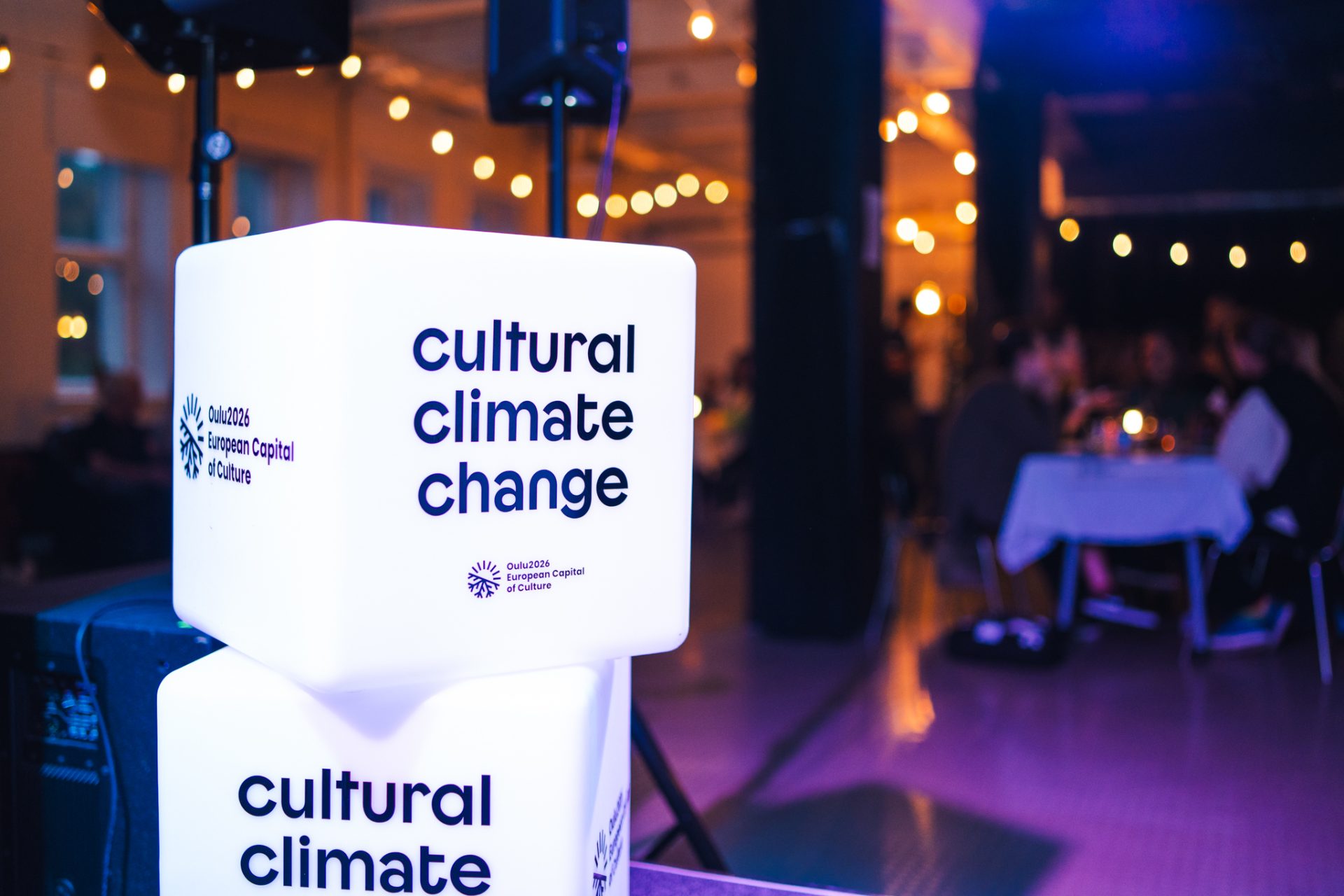
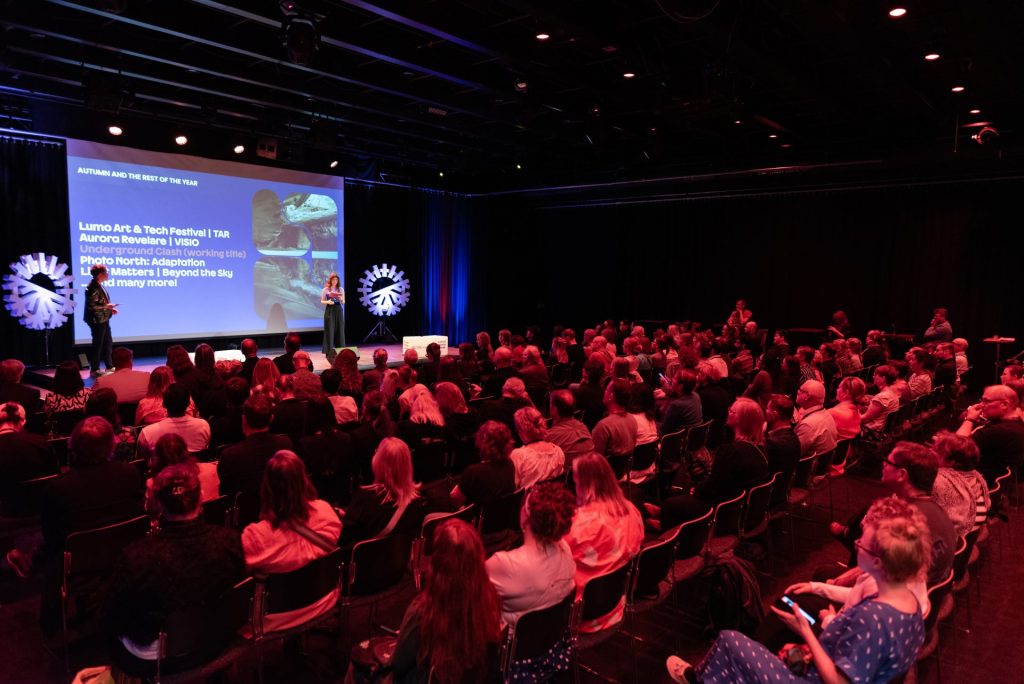
Traditionally, at the beginning of September, the annual ECoC Family Meeting takes place, announcing the upcoming European Capitals of Culture. This time we met in Oulu, in northern Finland — a city renowned for its technology (home of Nokia), living labs, numerous start-ups, closeness to nature, and the oldest tar-scented sauna, which the city was famous for over decades. Oulu and Trenčín (Slovakia) presented the main concepts of their European Capital of Culture 2026 programmes. The Oulu team spoke about the richness of Northern culture, drawing on their bid’s central theme “Cultural Climate Change.” Trenčín presented its vision under the motto “Awakening Curiosity,” promoting sustainable and innovative solutions, the revitalisation of forgotten places, and the blending of tradition with modernity. Oulu created excellent conditions for exploration and reflection. We had the opportunity to visit sites that will host events during the title year. On Pikisaari Island, in wooden houses and former industrial facilities, a cultural district is emerging with studios, cafés, and galleries.

Oulu is also home to the first modernist industrial building by Alvar and Aino Aalto — the AaltoSiilo — now being adapted for exhibition purposes. Since 2020, this unique structure has undergone a series of interventions and has been recognised as a symbol of Finland’s (and Europe’s) socio-industrial evolution. Next to it, mobile workshops are being developed.

In addition to exploring places, we also had the chance to listen to important presentations and discussions. Christine Dietrich spoke about the Karlspreis International Prize, awarded annually in Aachen to individuals and institutions for their contributions to European unity and democracy, highlighting it as another platform for cooperation between ECoC cities. Vappu Renko from the Cupore Research Centre in Helsinki presented on monitoring the indicators of Oulu2026 and on culture as a place maker. We also took part in a lively debate with Sjoerd Bootsma (Leeuwarden 2018), Beatriz Garcia (European Capitals of Culture Research Programme) and Stanislav Krajči (Trenčín 2026) on culture as a space-maker and the role of the city as both backdrop and active participant in cultural events.

As always, the ECoC Family Meeting provided an opportunity to exchange experiences and inspirations, and to build networks of cooperation between cities and institutions across Europe.

Marta Ryczkowska, program curator

Circus chain reaction

By News

The Sztukmistrze Foundation has been building an international network of partnerships for many years, developing the idea of Contemporary Circus – one of the pillars of the European Capital of Culture Lublin 2029 RE:UNION program.

We seek inspiration in places where circus is part of everyday life. One such city is Galway, Ireland, ECoC 2020, where Community Circus, in cooperation with the University of Galway, conducts research on the impact of circus activities on the development of children, young people, and adults. As Lynn Carroll, Executive Director of Galway Community Circus, emphasizes: “The impact of circus on development is not emotional storytelling – it’s a concept based on scientific research.”

At the invitation of EYCO (European Youth Circus Organisation), the foundation took part in the NICE meeting, where educational circus practices from all over Europe and the world were discussed. In July 2025, representatives of the foundation participated in the “Bridges for Youth” project in Bremen – a unique international exchange involving young people from five countries. This is another step towards building bridges and strengthening Lublin’s position as a European hub for contemporary circus.

We were also present in August at the European Juggling Convention in Arnhem (Netherlands) – the largest gathering of jugglers and circus artists in Europe. Workshops, shows, joint trainings, and the unforgettable atmosphere – all this gives us the energy to keep moving forward. Let us remind you – Lublin has already hosted the EJC three times, and the Sztukmistrze Foundation is working to bring it back to our city in 2029!

Story of the city

By News

The “Grodzka Gate – NN Theatre” Centre in Lublin, as part of its preparatory work for the project “The City’s Tale”, has created a detailed program structure entitled “The Circles of the Gate Theatre”. This structure is the result of intensive conceptual work and expert consultations carried out both with local creative communities and with national and international partners. The developed concept of the “Circles of the Gate Theatre” responds to the program assumptions outlined in the winning application Lublin 2029 European Capital of Culture RE:UNION, while also developing and concretizing the core ideas contained in that document.

The three key circles of the program—“Theatre of Imagination”, “Theatre of Memory”, and “Theatre of Freedom”—are distinct yet interconnected modules for implementing the “City’s Tale” project. Each circle is based on different aspects of Lublin’s identity and European history, engaging participants in reflection on cultural heritage, shared experiences, and contemporary challenges.

Below is a detailed description of each of the three circles within the project.
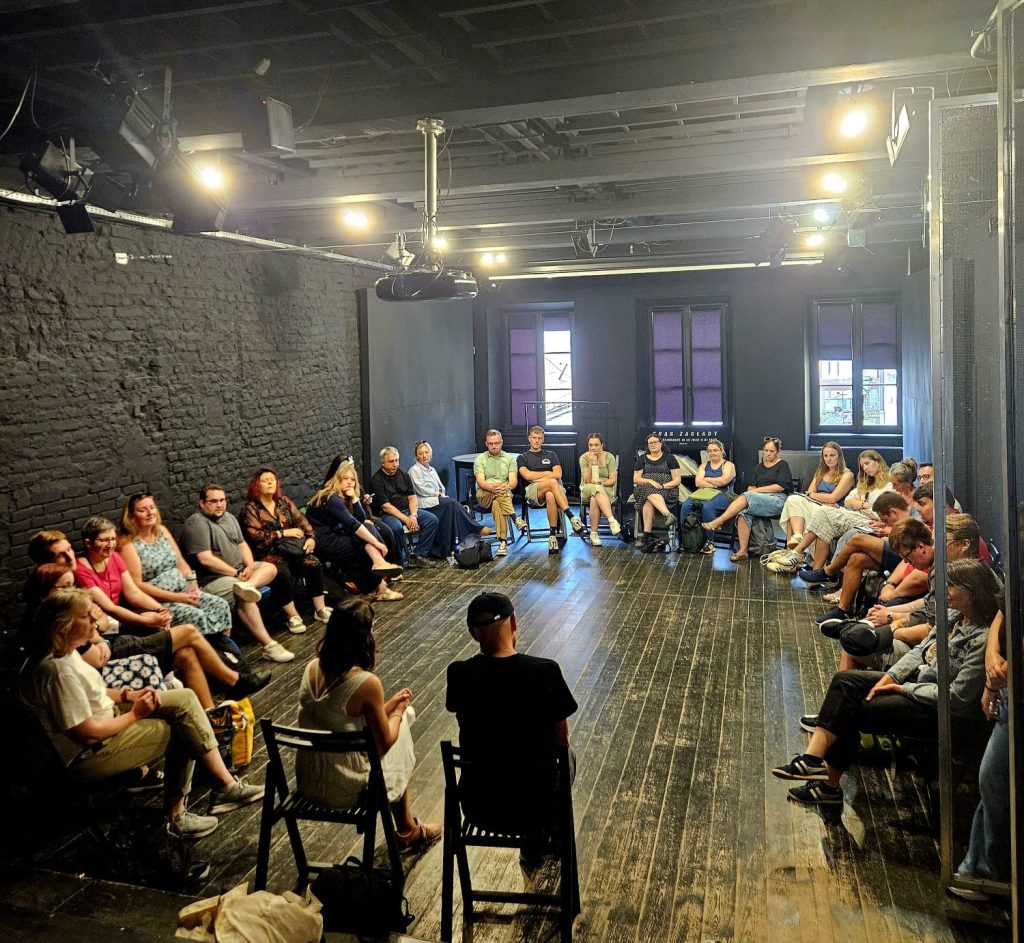
1. Circles of the Gate Theatre. The City’s Tale – Theatre of Imagination

The Theatre of Imagination casts new light on Lublin’s centuries-old history, taking audiences on a journey from its legendary origins to the dramatic events of World War II. The Underground Route invites visitors to explore the city’s evolution across the centuries, revealing its birth, growth, and pivotal moments. The Cellar under Fortuna immerses visitors in the daily life of former townspeople. Meanwhile, the Imaginarium Theatre unveils the mystical Lublin, introducing the world of legends and stories rooted in local tradition and culture.

All these spaces combine historical facts with elements of storytelling and interactive experiences, stimulating imagination and provoking deeper reflection on the past and its impact on the present. This is a platform for new projects aimed at activating the local community and promoting cultural heritage, encouraging dialogue on identity, social change, and the future of Lublin.

2. Circles of the Gate Theatre. The City’s Tale – Theatre of Memory

This project, centered around the Grodzka Gate, takes participants deep into one of the most tragic chapters of Lublin’s history—the Holocaust of Polish Jews. Its aim is not only to commemorate the victims but also to foster understanding and reflection on the mechanisms of evil. By focusing on the universal message of the dangers of totalitarianism, hate speech, and war, it encourages comprehension of the complex history of the city and its inhabitants.

The initiative employs modern educational methods, blending traditional narrative techniques with contemporary technologies. Through multimedia presentations, artistic installations, and interactive workshops, it enables audiences to experience history in an engaging, emotional, and empathetic way. At the same time, the project creates space for dialogue and discussion on Lublin’s difficult heritage, encouraging its residents to develop a personal connection with history and its influence on the identity of contemporary society.

3. Circles of the Gate Theatre. The City’s Tale – Theatre of Freedom

Implemented at the House of Words, this project is inspired by Lublin’s difficult history after World War II. It focuses on unlocking the potential of free speech as a tool for defending democracy, promoting social responsibility, and building civil society.

Through a wide variety of activities—exhibitions, performances, literary workshops, and public debates—the project reflects the power of resistance against totalitarianism, the struggle for human rights, and the defense of the most vulnerable.

The project places strong emphasis on education through art, engaging both the local community and international audiences in interactive experiences that provoke reflection on the past, present, and future. The House of Words becomes a place where freedom of speech is not only commemorated but actively practiced. It is a space where stories from the past inspire action in the present, reminding us of the importance of active participation in public life and the defense of democratic values.

The project comprehensively fulfills the goals of the European Capital of Culture related to promoting cultural diversity, intercultural dialogue, and mutual understanding in Europe. A key aspect of the Centre’s activities is creating space for open reflection on Lublin’s multicultural heritage and Europe’s shared experiences, particularly through an in-depth analysis of Polish-Jewish relations, commemoration of the Jewish community’s history, as well as counteracting antisemitism, racism, and ethnic prejudice.

Would you like me to make this translation more formal (for an EU/official project document), or keep it in a more accessible, cultural-promotion style for a wider audience?

ECoC RE:UNION Diploma

By News

The project aims to create a multilateral training platform designed to enhance cross-border cooperation skills among cultural operators. It foresees the participation of cultural practitioners from Poland, Ukraine, EU countries, and the Balkans. A particular focus is placed on supporting Ukraine, addressing the needs arising from the war, while at the same time creating a favorable environment for networking, mutual learning, and experience exchange with partners from the EU (Belgium, Poland) and the Western Balkans.

Building on the 35 years of experience of the Marcel Hicter Association in running the European Diploma in Cultural Project Management training program, as well as previous successful collaborations between the project partners within the framework of the Eastern Partnership, the consortium will develop a two-stage training program. This program will be tailored to the realities of wartime Ukraine, the challenges of EU accession faced by the Western Balkans, and the needs of professionals from the culturally diverse landscape of contemporary Europe who seek to engage in cultural cooperation and exchange projects. Participants will be individuals actively seeking training that provides them with skills essential for career development, particularly in cross-border cooperation.

A group of cultural experts from across Europe – especially from Ukraine and Poland – will deliver training sessions focusing on the following issues:

Disintegration of the cultural sector – geographical, institutional, and emotional.

Professional burnout and loss of motivation – resilience, the need for regeneration, renewal, and rebuilding relationships.

Gaps in international cooperation and project development skills – particularly in terms of access to EU programs and funds.

Limited fundraising capacities.

Lack of tools and experience in inclusive and participatory practices – urgent need for training in cultural accessibility and community outreach.

Growing demand for ethical reflection and social responsibility, including labor rights, organizational culture, and audience engagement.

Rising awareness of ecological responsibility, also in the context of limited resources for implementing sustainable practices.

Imbalance between professional and private life, especially among women and caregivers balancing professional, personal, and social roles.

Linguistic and ideological tensions, intensified by the war, requiring new skills in dialogue, mediation, and trust-building.


Official project title: A New Perspective and Strengthening East–West Cultural Cooperation
Organizer: Marcel Hicter Foundation
Partners: Cultural Centre in Lublin, Institute of Cultural Strategy in Lviv

Lublin 2029 – Lviv 2030

By News

As part of our efforts aimed at building European relations, in addition to strong cooperation with new partners from the EU, we consistently present the Eastern perspective and develop partnerships with institutions from Ukraine as well as independent artistic communities from Belarus, including the Institute for Cultural Strategy in Lviv, the Ukrainian Institute in Kyiv, the Polish Institute in Kyiv, GOGOL Fest, the Doswied Foundation, and the Belarusian Council for Culture.

We actively support Lviv’s application process for the title of European Capital of Culture 2030. The ECoC project prepared by Lviv was designed to combine the city’s own narrative with the cultural representation of the whole of Ukraine in Europe. We support Lviv by sharing our experience, expertise, and partnerships, while also promoting its candidacy and facilitating its inclusion in European cultural networks. We have also helped to build partnership bridges during events such as the study visit of the Warsaw EUNIC cluster.

Together with the Marcel Hicter Foundation, we have also prepared an international training project on cross-border cooperation for cultural managers from Ukraine, which has been submitted to the Creative Europe programme.

Within the ECoC framework, a process of knowledge transfer is being carried out between current and future Capitals of Culture, candidate cities, and ourselves. We ensure constant interaction through visits, invitations to cultural processes, workshops, and meetings that strengthen both cooperation networks and professional competencies. We have engaged in this process of knowledge and experience sharing through training and expert consultations. However, a systemic approach is needed to make the entire process more effective.

And all this in the spirit of our Re:Union.

Lublin City of Literature Festival

By News

Conversation is the Beginning of Literature

Believing that literature begins with conversation, but also that conversation can begin with literature, we invite you into the world created by our guests. The uniqueness of literary forms and voices reveals the Lublin City of Literature Festival as a place where some of the most brilliant minds of contemporary writing come together. It is precisely the diversity and interplay of poetry, prose, non-fiction, and international literature translated into Polish that create an aesthetic mosaic, showcasing the full spectrum of human emotions.

Literature – written, spoken, read, displayed, or performed on stage – combines different arts and can be understood in many ways, by everyone. City of Literature is a space of this freedom: the freedom of thought that allows us to meet in dialogue, in conversation, where the sentences we speak can astonish both ourselves and our interlocutors.

We invite you to exceptional encounters at the literary source. We encourage broad-ranging conversations that transcend the contemporary moment. This is perfectly illustrated by Azar Nafisi’s words: “The remarkable feature of great literature, however, is its ability to reflect the prejudices of its author as well as the realities in which that person wrote, while simultaneously going beyond their boundaries” (Azar Nafisi, Read Dangerously: The Subversive Power of Literature in Troubled Times, translated by Dawid Czech, Karakter 2023).

The festival is based on four pillars that reflect ways of seeing the world and, taken together, show its harmony: prose, poetry, non-fiction, and translation. From September 25–28 this year, audiences will have the opportunity to listen to authors during dozens of events – including author readings, panels, and workshops – taking place at the Lublin Cultural Center. Many program points will also be interpreted in Polish Sign Language.

Audionomia 2025

By News

4th National Audio Documentary Conference in Lublin

Lublin will become the capital of audio documentary from September 12–14. The Audionomia Foundation is organizing the fourth edition of the conference, which brings together audio documentary creators and promotes sound as a language for non-fiction storytelling.

The program includes audio documentary screenings, workshops, discussion panels, and meetings with experienced creators. Participants – both professionals and beginners, students, or sound enthusiasts – will have the opportunity to exchange experiences and expand their skills.

The highlight of the event will be the announcement of the “Audionomia Award”, granted to the best audio documentary of the year.