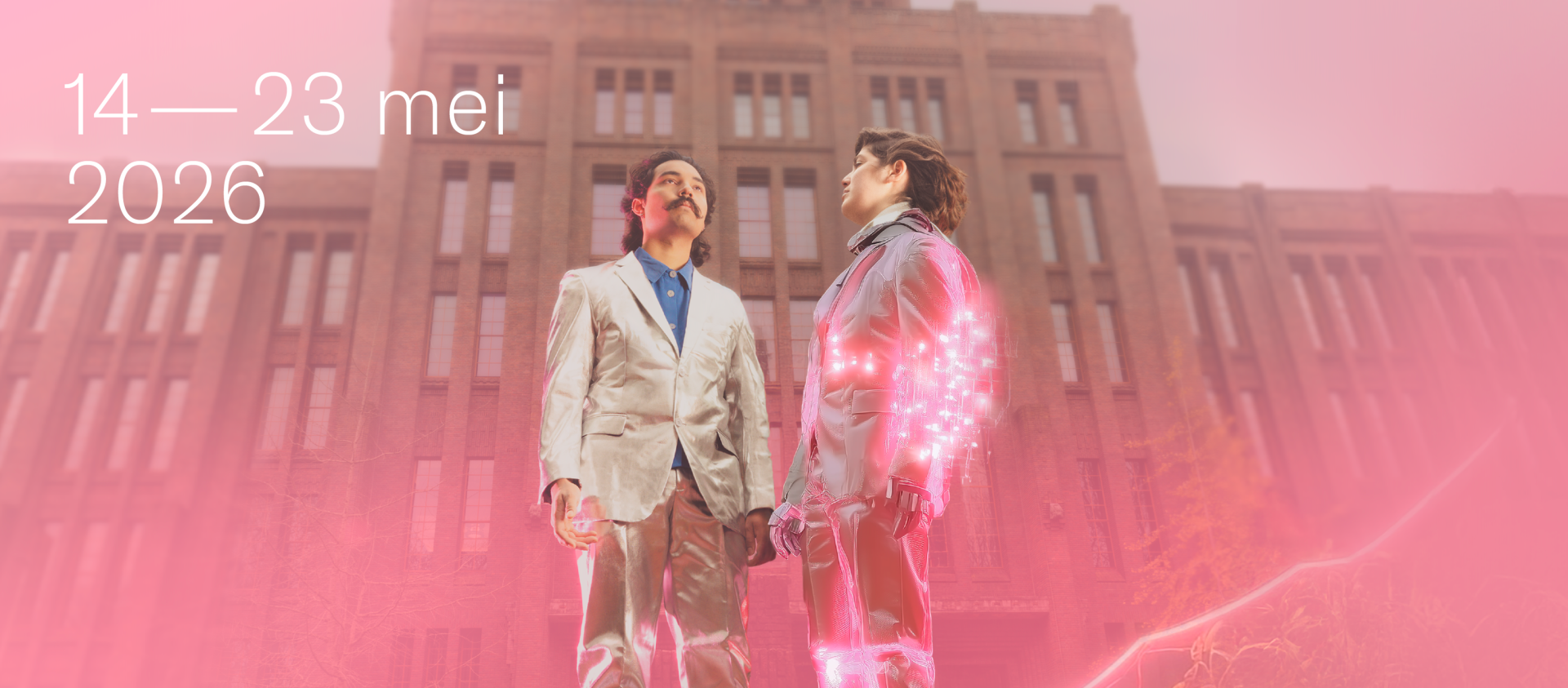
Another edition of the prestigious SPRING Performing Arts Festival in Utrecht has come and gone. This year, a delegation from the Centre for Culture in Lublin took part in a study visit.
The aim of our study visit was broadening the European perspective on the performing arts, renewing and establishing new contacts with international organisers and artists. In addition, it was a key step in preparing for the theatrical projects within the European Capital of Culture programme, such as La Commedia Divina and Theatre Confrontations 2029.
Below, we present an overview of the most interesting artistic events we had the chance to see, and which we found to be a tremendous source of inspiration.
Festival overview:
What Will We Do Without Exile
This exceptional art installation addresses the deeply topical subject of displacement, yet does so without resorting to graphic violence or journalistic literalness. The creators find a way to speak about forced resettlement and genocide… without saying it outright. Instead, they rely on powerful sensory means — the scent of earth, citrus trees, and herbs makes the message remarkably sensual, intimate, and subtle, without losing any of its original expressive force.
Engeki Quest
This participatory project, staged as an urban game, is an intriguing search for a new story about place and space. Here, the newcomer’s perspective is filtered through the experience of a long-term resident. Developed over the years in numerous European cities, the project is built around riddles and deep reflection. It gives participants the chance to take alternative tourist routes and enter the authentic fabric of the city through active discovery and lived experience.
She She Pop & Sandbox Collective
This theatrical performance takes the broadly understood “hospitality” as its central theme. Two women’s collectives have created a piece built on a defined working protocol, but also on improvisation. The starting premise was the complete absence of common ground, paired with the acceptance that the differences between them would remain permanent — exactly how they are meant to be. The performance makes masterful use of distance and irony, while striking deeply at fundamental values such as freedom and dignity — values that can be understood in radically different ways.
Ridden
This movement and dance performance searches for a form that hovers between ritual, sport, and theatre. The creators focus on examining relationships in the aftermath of disaster. At the center of their attention are the bonds between people, nature, the endless cycle of life, and the deeply rooted instinct for survival.
Radio Vinci Park
This extraordinary performance presents a pure, hypnotic stage form. In this space, an unsettling, statically present harpsichord score meets a motorcyclist and a compelling performance artist. Butoh dance combined with motorcycle riding works like a collision between Eros and Thanatos, building a sensual and moving story about seduction and death.
The Shrine
A committed performance taking the form of radical defiance, delivered with full theatrical intensity. The piece draws heavily on colonialism and critiques of capitalism and systems of power. The subject is presented through both a historical and cultural lens, strongly engaging the viewer on an intellectual and emotional level.
Home Bound
An evolving spatial installation that took shape on the city’s main square, right beneath the library, over the entire course of the festival. Built from ropes, string, tapestries, and hammocks, and incorporating other objects along the way, the structure had a powerful impact on the public space. Each day it became a different, ever-growing work, opening up space for creativity and shared participation among artists, participants, audiences, and passers-by alike. The building of social bonds was visible here both figuratively and literally.
Organisationally well-prepared and artistically of the highest calibre, SPRING Festival can serve as an ideal point of reference for Lublin. The wealth of experience it offers in the performing arts will not only help us develop the European Capital of Culture programme, but will also enrich the outlook of institutions and festivals operating year-round in Lublin, such as Open City, the International Dance Theatre Festival, Percepcje, and Theatre Confrontations. We paid particular attention to the “festival-in-a-festival model” embodied by the Asia-Europe Cultural Festival. Within its framework, nine diverse events were realised — including films, installations, and performances — promoting artistic collaboration between the two continents. This recurring platform, presented in Europe in even-numbered years, shows how effectively intercultural dialogue can be built.
The contacts made in Utrecht with curators, directors, and artists will allow us to build a solid foundation for future theatrical, performative, literary, and social projects. The trip confirmed our conviction that a continued presence at this kind of European event is key to the dynamic development of local culture and to building international bridges.
The study visit was carried out as part of preparations for the European Capital of Culture programmes.
Text
Ksenia Duńska
Ewa Molik
Translated by Aleksandra Górecka
Proofread by Gabriela Niewadzi