Category

News

Recruitment for ECoC Lublin 2029. We are looking for Cultural Events Planning and Production Specialists

By News

European Capital of Culture Lublin 2029 seeks people who will be responsible for the planning and production of cultural events. We are currently recruiting for two positions: Lead Event Specialist and Senior Event Specialist.

We are looking for people with experience in the cultural sector who are eager to lead the planning, coordination and execution of cultural projects, especially those within the European Capital of Culture programme. The duties of both jobs involve cooperating with other teams executing different projects, including communicating, promoting, reporting, summarising and evaluating.

The potential candidates are expected to have a university degree in cultural management, cultural studies, cultural animation, cultural studies – science of culture or Polish studies, experience in coordinating cultural projects, knowledge of the winning city application titled “European Capital of Culture Lublin 2029” and a good command of English. Other important requirements are teamwork, good organisation, ability to meet deadlines and communication skills.

We offer working on a prestigious cultural project with a European scope, flexible working conditions and being a part of a programme which will have a real impact on the development of the cultural life of Lublin.

Lead Event Specialist

– a minimum of 3 years of experience in working in a cultural organisation.

– postgraduate studies related to art and culture and experience in coordinating projects and producing events with an international scope will be an additional asset.

– basic pay from PLN 7,000 to 9,000 (gross amount) with the service bonus, in accordance with the applicable rules.

You can read the whole job offer for the Lead Event Specialist here.

Senior Event Specialist

– a minimum of 2 years of experience in working in a cultural organisation.

– postgraduate studies related to art and culture and experience in coordinating projects and producing events with an international scope will be an additional asset.

– basic pay from PLN 6,000 to 8,000 (gross amount) with the service bonus, in accordance with the applicable rules.

You can read the whole job offer for the Senior Event Specialist here.

In both positions, we offer contracts of employment, good and stable working conditions, opportunities for professional development and an engaging and independent work on an international project.

Recruiting process

Send your CV and your covering letter until the 23rd of October 2026 on this e-mail address: rekrutacja.esk@lublin.eu with the title „Rekrutacja ds. Planowania i Produkcji Wydarzeń Kulturalnych” (Recruitment for Cultural Events Planning and Production).

Please read the full description of the chosen job offer including the formal requirements and the information regarding the processing of personal data. We will only contact selected candidates. Submitted documents will not be returned. We reserve the right to close the recruitment process early.

About Us

The European Capital of Culture Lublin 2029 is a long-term cultural initiative built on international cooperation, innovation, and community engagement. Our mission is to elevate Lublin’s profile as a city of culture, creativity, and dialogue, while promoting Polish culture both at home and abroad. As an organisation, we work in a dynamic, multi-layered environment, combining artistic, educational, and social projects into a unified strategic vision for ECoC.

The primary objectives of the “European Capital of Culture Lublin 2029” institution are preparing, delivering, and coordinating the European Capital of Culture Lublin 2029 programme. We develop and promote local and international artistic, cultural, and educational activities that unlock the city’s cultural potential and strengthen its European cooperation.

Translated by: Gabriela Niewadzi
Proofread by: Zofia Świerszcz
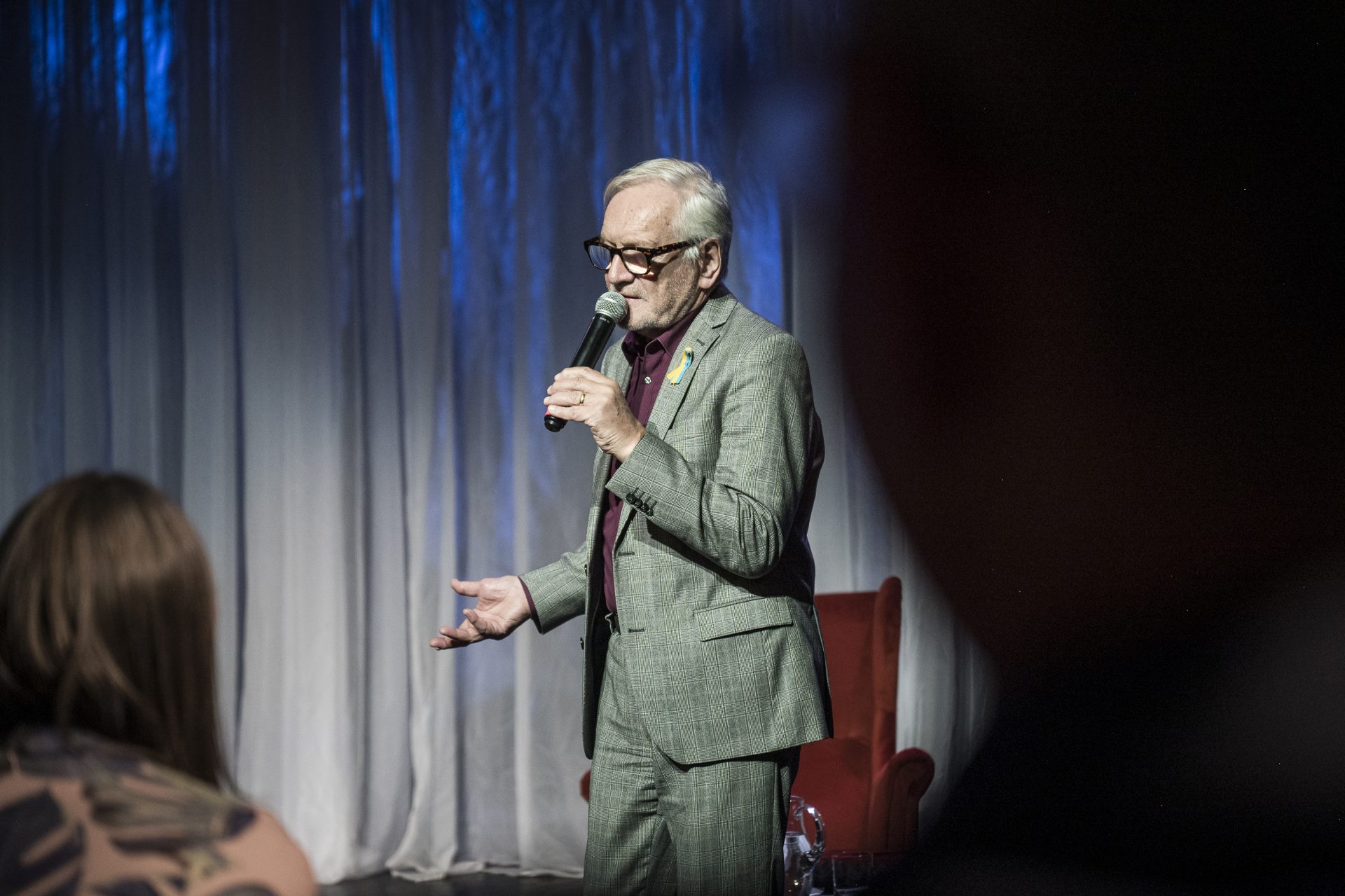
“Thought and Beauty Are Incredibly Powerful.” Andrzej Seweryn as the guest at the “Education for Culture” Meeting

By News

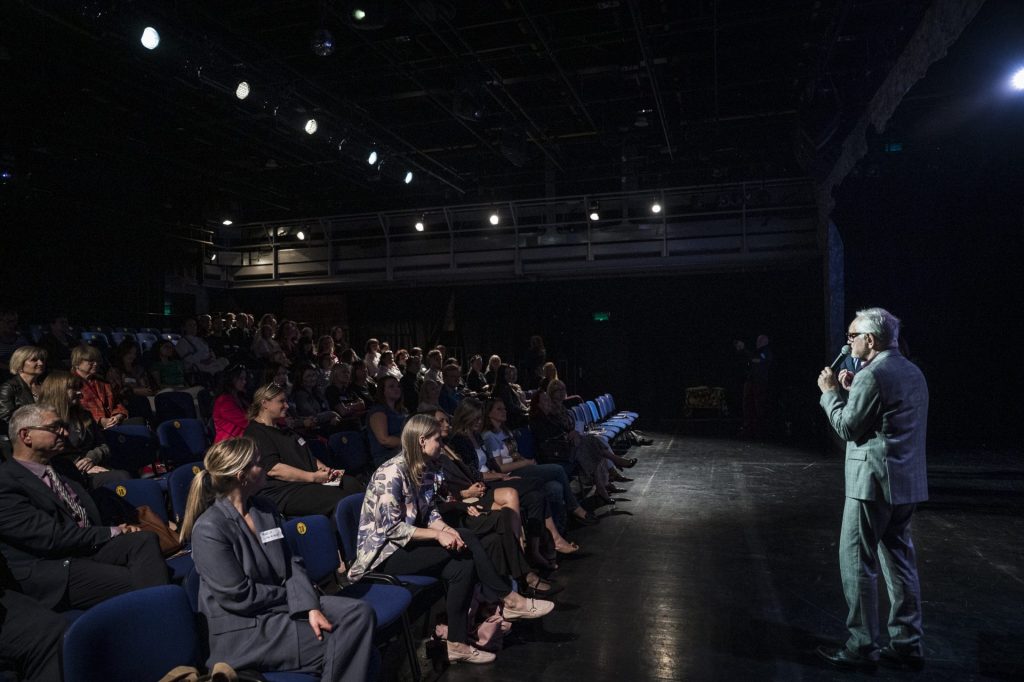
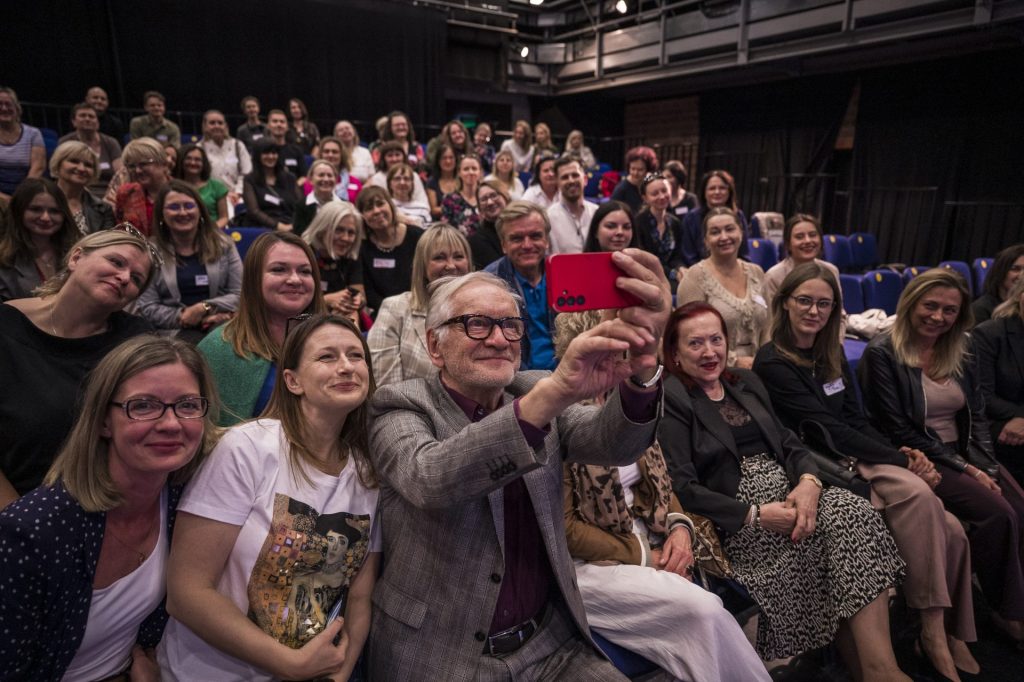
“Theatre shows us another world and highlights values we should not forget,” said Andrzej Seweryn on Thursday during a meeting with teachers and members of Lublin’s cultural community. The distinguished actor, director and educator, as well as Director of the Polish Theatre in Warsaw, was the special guest at the first meeting starting a series of “Education for Culture” networking events.

Launched at the Hans Christian Andersen Theatre in Lublin, the programme is one of the key programme areas of European Capital of Culture Lublin 2029. In the spirit of RE:UNION, the slogan of Lublin’s winning ECoC bid, our aim is to create a space where teachers, artists and cultural animators can get to know one another better and exchange ideas and experiences.

During the meeting, Andrzej Seweryn drew attention, among other things, to the role of culture and art in education. “Can art change someone’s life? I don’t know, but it certainly happens. Thought and beauty are incredibly powerful. These values cannot be destroyed with a PPSh submachine gun, a Kalashnikov or drones. You can destroy a house or someone’s life, but you cannot destroy love or loyalty,” the actor argued.

He also emphasised the special place theatre holds in this process. By taking audiences on a journey into another world, theatre speaks about issues that remain relevant regardless of the passage of time. “Good theatre always speaks about the present, even if it stages Antigone, written 2,500 years ago. If, in the play, a king wonders whether what is divine or what belongs to the state is more important, several societies around the world are grappling with precisely the same question today. Therefore, theatre highlights values we should not forget.”

Seweryn also recalled the most important teachers in his life. One of them was a historian Anna Radziwiłł, who later became Deputy Minister of Education. “She spoke about choosing the lesser evil. And that was a frighteningly realistic statement, because young people generally want to choose between good and evil. Yet even then I was being taught that things are more complicated than they seem,” he added.

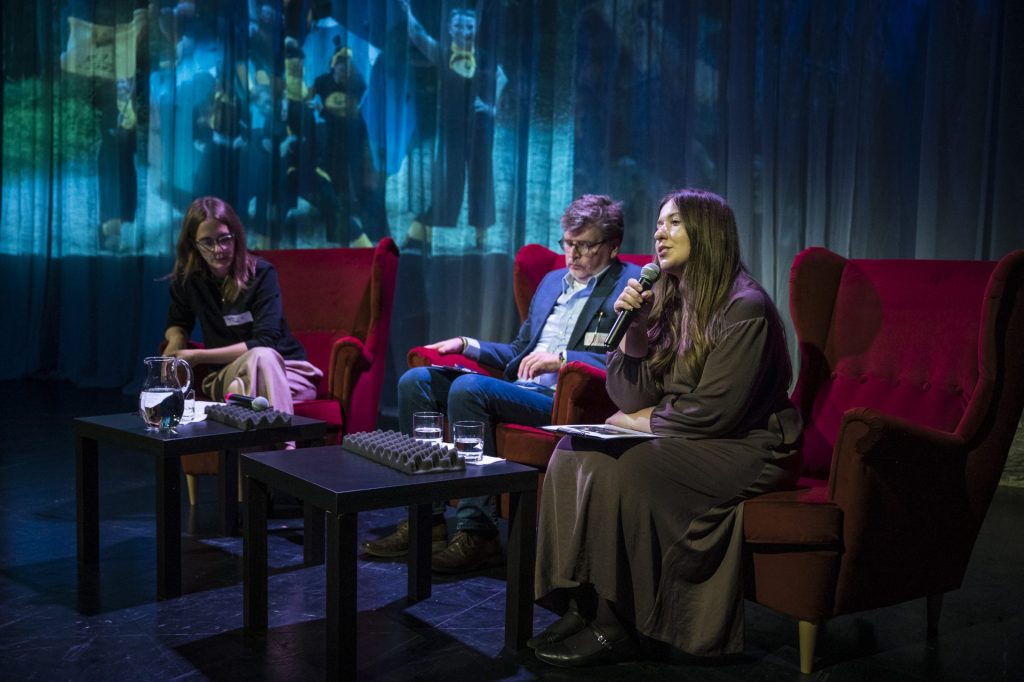
The “Education for Culture” networking meeting was also an opportunity to learn more about the work of the Hans Christian Andersen Theatre in Lublin. Its representatives – Director Krzysztof Rzączyński, Agata Sakowicz and Małgorzata Kiliańska – spoke about the theatre’s activities.

It is also worth noting that the Lublin theatre is part of the Consortium – Union of Lublin Cultural Operators and, in accordance with Lublin’s ECoC 2029 bid book, is responsible, among other things, for the Kids’ Culture Lab (“Dziecięca eksperymentatornia”) programme strand, as well as for programme development and audience building for the new strategic municipal investment, the Children and Youth Arts Centre (Centrum Sztuki Dzieci i Młodzieży), which will become the future home of the Hans Christian Andersen Theatre.

The “Education for Culture” programme directly implements the objectives set out in Lublin’s ECoC 2029 bid book, which envisage introducing modern models of arts education in schools and providing systemic support for the development of competences among education and cultural-sector professionals.

Author: Tomasz Kowalewicz
Translated by Aleksandra Górecka
Proofread by Gabriela Niewadzi

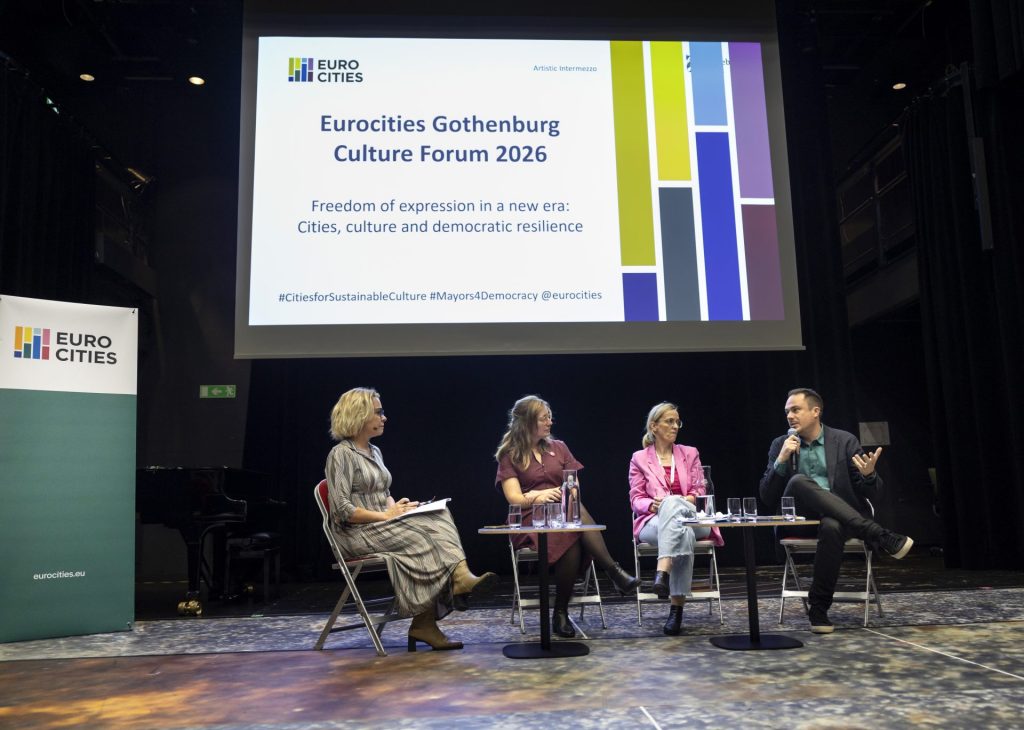
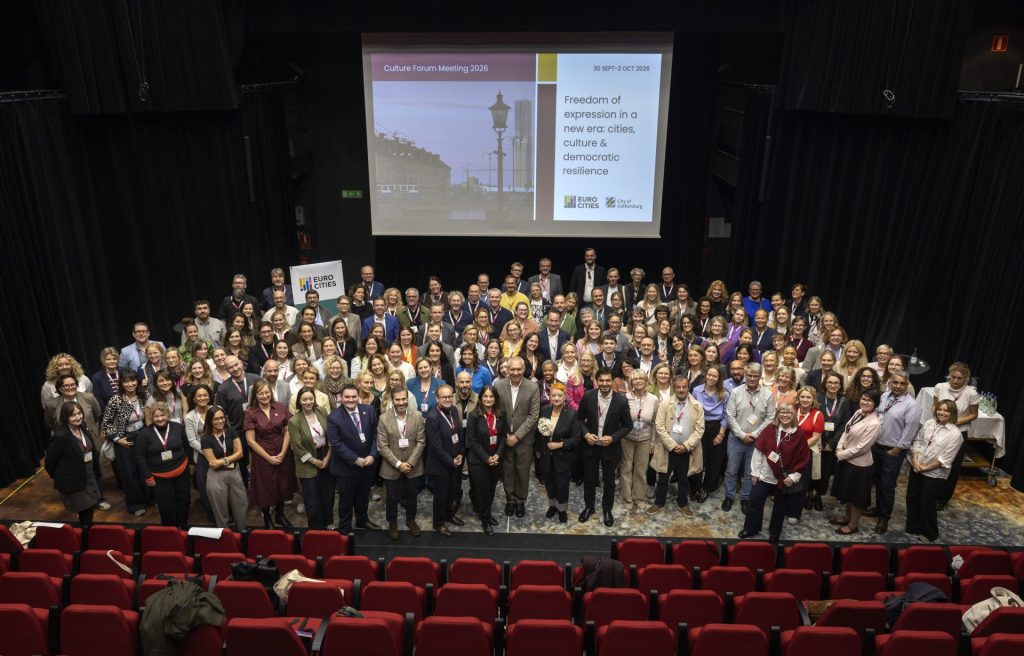
Culture and strengthening of democratic values. Lublin at the Eurocities Culture Forum in Gothenburg

By News

Participants in the “Eurocities Culture Forum” in Gothenburg discussed how cities can make use of the potential of art and culture to strengthen democratic resilience. Representatives from Lublin also attended the meeting.

The Eurocities Culture Forum is a space for exchanging experience among those who are responsible for culture in European cities – representatives of local governments, cultural institutions, organizations and the creative sector. The Eurocities network brings together over 200 cities from 38 countries, and Lublin has been a full member since 2004.

This year’s edition was held under the slogan “Freedom of expression in a new era: cities, culture & democratic resilience”. It focused on freedom of expression and the role of cities and culture in strengthening democratic values. Among other things, the participants debated on artistic freedom, cultural rights, access to culture and civic engagement. There was also an opportunity to have a conversation about the role of cultural institutions in protecting European values at a time when those values are increasingly being challenged or even threatened in many countries.

The Forum’s programme included debates and presentations on the experiences of European cities, study visits to Gothenburg’s cultural institutions, and meetings of Eurocities working groups that were dedicated to topics such as culture in public space, inclusion and cultural management.

For Lublin, the European Capital of Culture 2029, participating in the Forum was an opportunity to exchange experience with representatives of other European cities, establish new contacts and discuss cooperation on international cultural projects.

Beyond this, there was also another important aspect of the visit. Lublin plans to take steps towards organising the Eurocities Culture Forum in 2029, as a part of the celebrations of the ECoC. Therefore, this year’s meeting allowed us to directly examine the format of the event, its structure, the way in which sessions and networking meetings were conducted, the use of municipal cultural institutions and the presentation of the host city to the participants of the international event.

This year’s edition of the Forum took place from September 30th to October 2nd.

Translated by: Zofia Świerszcz
Proofread by: Aleksandra Górecka

Puppets and People II: Japanese Inspirations at Workshops at the Hans Christian Andersen Theatre

By News

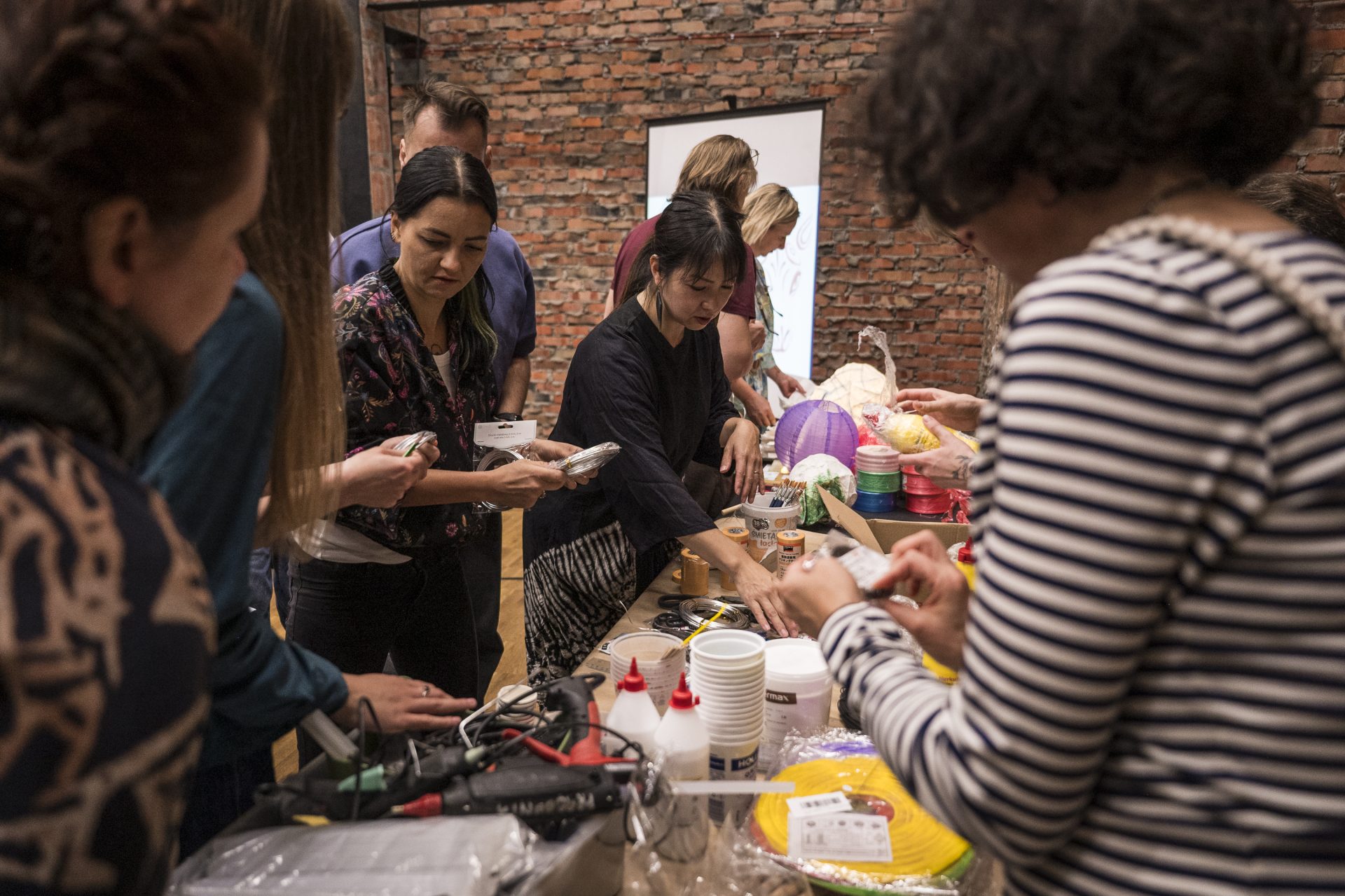
“Those were two incredibly intense and inspiring days. A new Polish Hyakki Yagyō, or Night Parade of One Hundred Demons, was born in Lublin,” Japanese artist Yumi Hayashi wrote on social media. In late September, Hayashi led a workshop at the Hans Christian Andersen Theatre as part of the Puppets and People II series.

Hyakki Yagyō is a motif rooted in Japanese folk beliefs, depicting a nocturnal parade of yōkai – demons, spirits and other fantastical creatures. For centuries, it has also been present in Japanese art. During the workshops in Lublin, participants worked on their own version of this extraordinary procession.

“Using Japanese yōkai and other supernatural creatures as the theme, everyone made their own puppet,” Hayashi says. “I also learnt a great deal from the participants. It was a truly valuable experience for me,” she adds.

The workshops, coordinated by the Hans Christian Andersen Theatre in Lublin, were part of the second edition of an international project devoted to theatre craftsmanship, puppet-making and the broader field of theatre of form. The idea grew out of a question: who is more important in puppet theatre – the puppets or the people?

“Without people, a puppet remains an object, but it is the puppet that makes it possible to tell stories on stage in ways that cannot be achieved through the presence of an actor alone. That is why we are interested in both puppets and people – in the form itself as well as in those who devise it, construct it, bring it to life and give it meaning,” emphasises Agata Sakowicz, the originator of the workshops.

Among the participants were professionals from the field, including theatre craftspeople, puppet constructors, technologists and staff working in theatre art workshops. Without their knowledge, experience and skills, many artistic ideas would never make it onto the stage.

Japanese theatre of form

This was another meeting held as part of the Puppets and People workshops. This year’s edition has a particularly strong Japanese focus. During a visit to Japan made possible through cooperation between European Capital of Culture Lublin 2029 and EU-Japan Fest, the project coordinators had an opportunity to explore Japanese theatre of form more closely – its traditions and remarkable craftsmanship, as well as contemporary approaches to puppets, materials and animation. This experience became one of the inspirations for the second edition of the project.

This is why three artists with connections to Japan were invited to Lublin this year: Yumi Hayashi, Hidetaka Yabuki and Noriyuki Sawa. Each brings a different set of experiences, techniques and ways of thinking about form. Participants have an opportunity not only to learn specific working methods from them, but also to meet, talk, and compare their own experiences with entirely different theatrical traditions.

“We want to create a recurring international space for meetings and hands-on training for this professional community. A place where people can acquire new skills, but where exchanging experience is equally important – seeing how others work, what materials they use, how they solve construction problems and how people in different parts of the world approach the construction and animation of puppets and theatrical forms,” Sakowicz explains.

The Puppets and People II workshops form part of the Hans Christian Andersen Theatre’s preparations for Rehab, a project included in Lublin’s ECoC 2029 bid book and one of the key initiatives within BORDERS, under the OUTER RIMS programme line. The initiative focuses on culture-based psychological and social support. It is being delivered by the Hans Christian Andersen Theatre in Lublin.

The workshops took place on 28–29 September at the Hans Christian Andersen Theatre in Lublin.

The project is co-financed by the Ministry of Culture and National Heritage under its “Teatr” (“Theatre”) programme.

Author: Tomasz Kowalewicz
Translated by Aleksandra Górecka
Proofread by Gabriela Niewadzi

We Signed the “Childhood Without Violence” Campaign Manifesto

By News

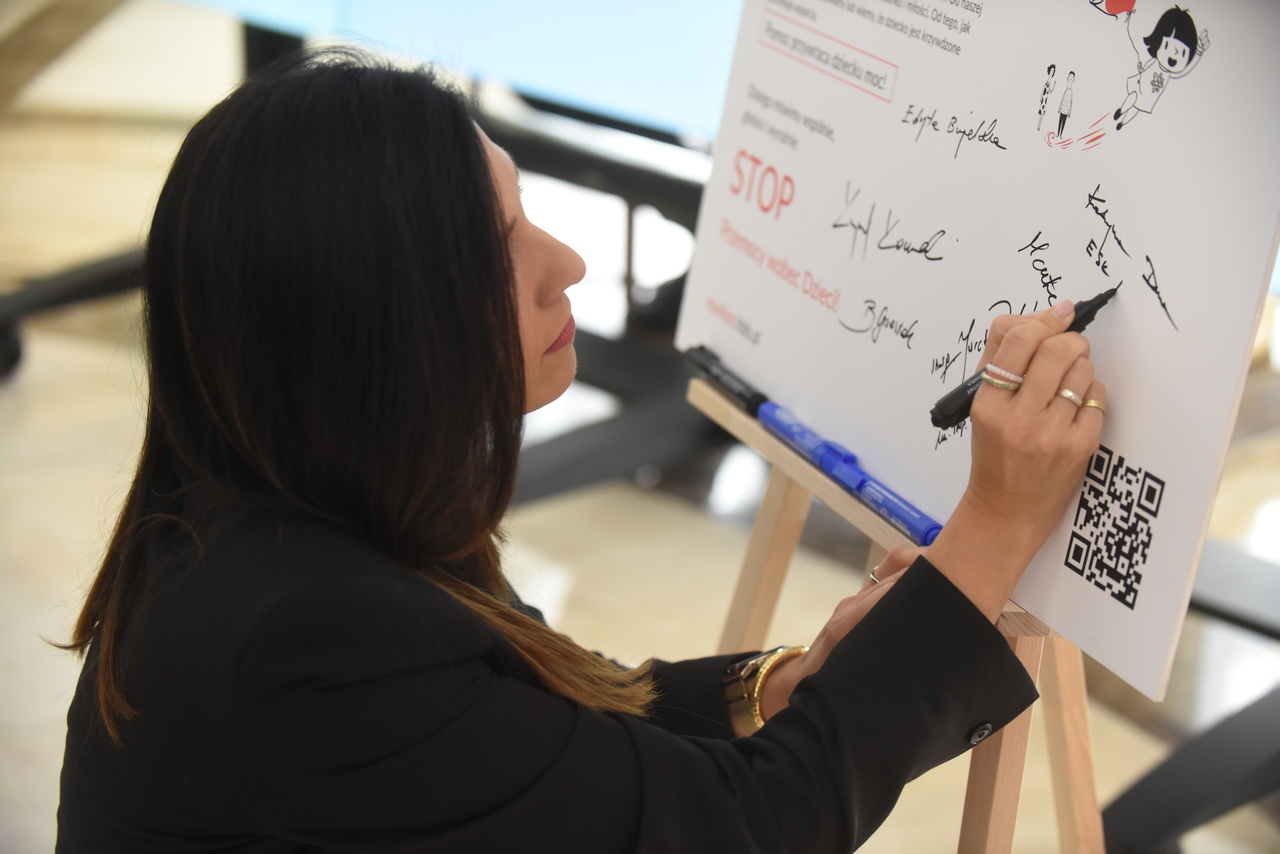
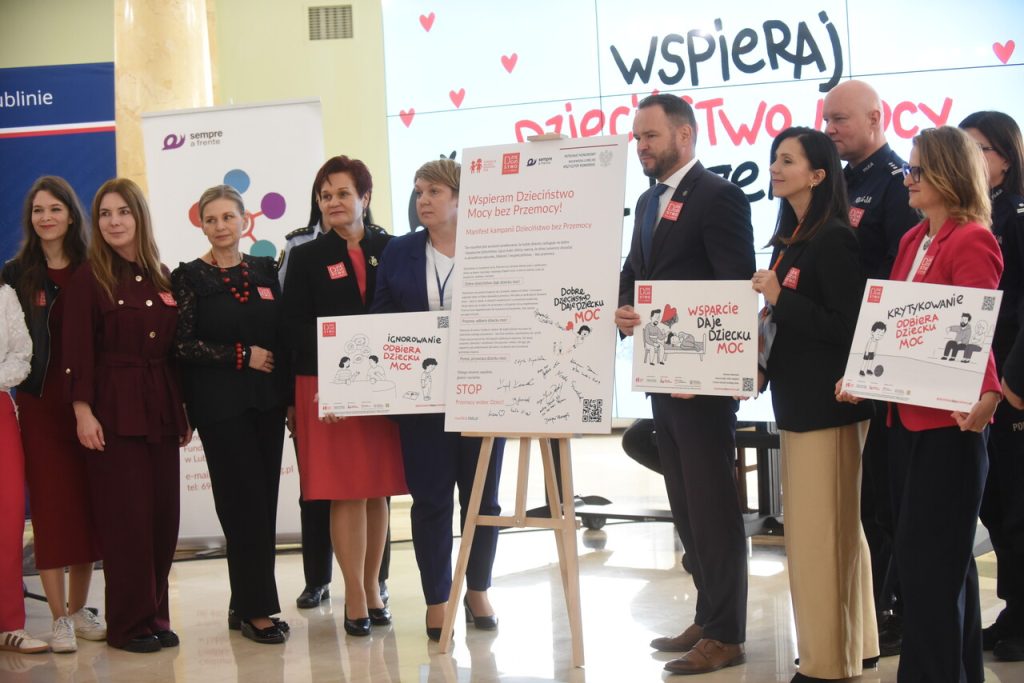
By signing the Manifesto of the “Childhood Without Violence” campaign, we joined a nationwide initiative supporting children. “We want culture to not only to speak about values, but also to put them into practice,” says Katarzyna Duma, Acting Director of European Capital of Culture Lublin 2029.

Every year, hundreds of thousands of children in Poland experience violence – at home, at school, and in their immediate surroundings. According to the research by the Empowering Children Foundation, 32 per cent of children in Poland experience violence from adults close to them, while as many as 87 per cent experience violence from their peers. Despite the ban on corporal punishment of children that has been in force since 2010, one in three Poles still considers it acceptable.

The annual Childhood Without Violence campaign aims to mobilize society to prevent harm to children and to take action towards building a safe childhood that empowers them. Hence the slogan of this year’s edition: “Violence takes away children’s power.”

A foundation for strong relationships and community

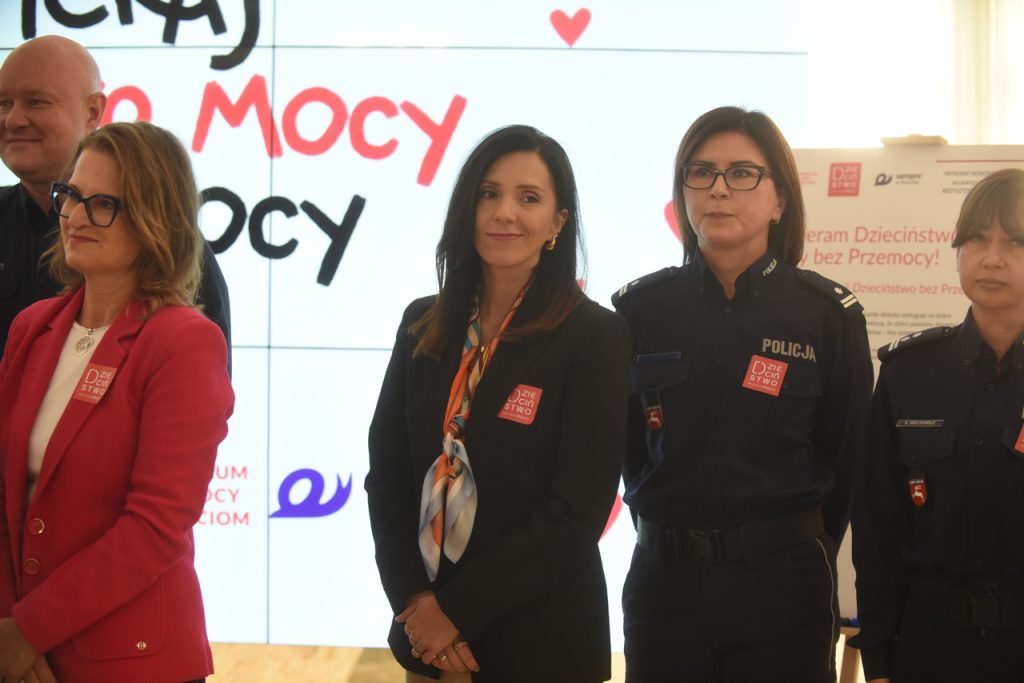
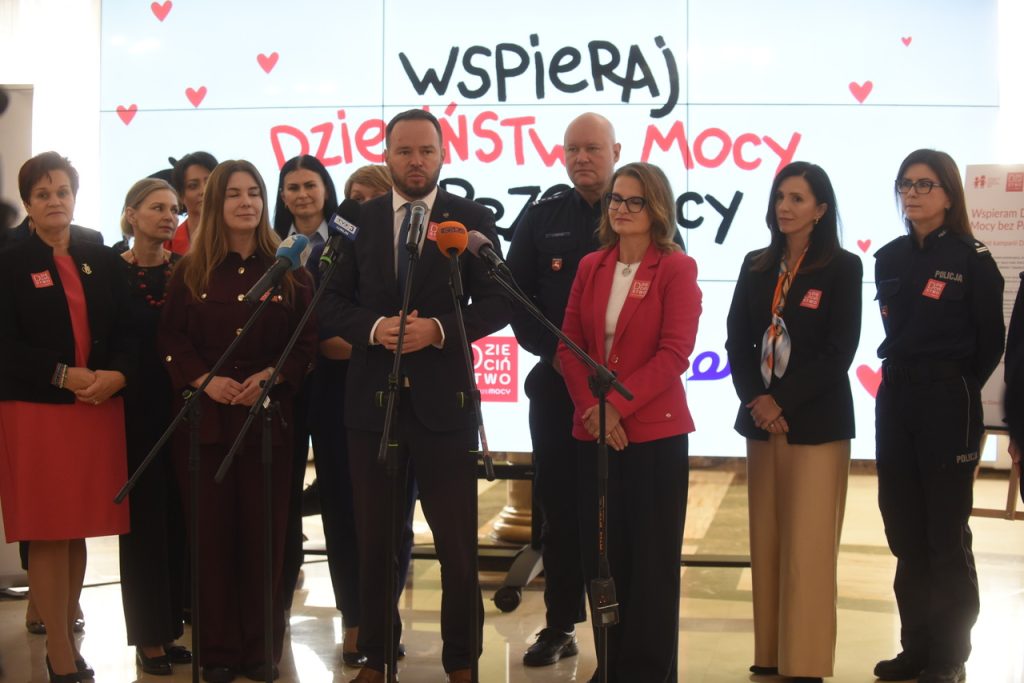
The symbolic launch of this year’s edition of the initiative in our region was the signing of the Childhood Without Violence Campaign Manifesto at the Voivodeship Office. European Capital of Culture Lublin 2029 was the only municipal cultural institution to take part in the event.

The Manifesto expresses a shared conviction that every child deserves a good and safe childhood. In terms of its values, it also aligns with Lublin’s ECoC 2029 bid book, particularly with its fundamental principles: building a community based on trust, cooperation and mutual respect, while also rebuilding relationships and agency and fostering safety, accessibility, education and well-being.

These principles are reflected, among others, in projects such as Kids’ Culture Lab (“Dziecięca eksperymentatornia”) and The Green Network: Forest preschools, Green Classrooms, Wild Kids Sanctuary („Zielone sieci: Leśne przedszkola, Zielone klasy, Rezerwat Dzikich Dzieci”). The Childhood Without Violence campaign and the idea of RE:UNION come together in the conviction that creating safe spaces is fundamental to strong relationships and communities.

A commitment to action

For us, ECoC Lublin 2029 is not simply an artistic programme, but above all a process of building a community and a responsible, open city in which everyone has the right to safety, respect and participation. Children hold a special place within this community.

Culture carries a responsibility that extends far beyond organising events. It has the power to shape social attitudes, break the silence, build empathy and make us more sensitive to the harm experienced by others. Through art, education, everyday relationships and collective action, we can influence how we perceive others, how we respond to violence and which values we consider important.

“We regard signing the Childhood Without Violence Manifesto as a commitment to action. We want culture to not only speak about values, but also to put them into practice. Responsibility for a safe childhood is also a responsibility of culture. And this is a responsibility we want to embrace today, together with Lublin’s cultural community and our partners,” says Katarzyna Duma, Acting Director of European Capital of Culture Lublin 2029.

The regional coordinator of the nationwide Childhood Without Violence campaign is the Sempre a Frente Foundation, a member of the National Coalition for the Protection of Children.

Translated by Aleksandra Górecka
Proofread by Gabriela Niewadzi

“States of Weightlessness” – about the power of a poem. A meeting as part of the “Culture for Equality”

By News

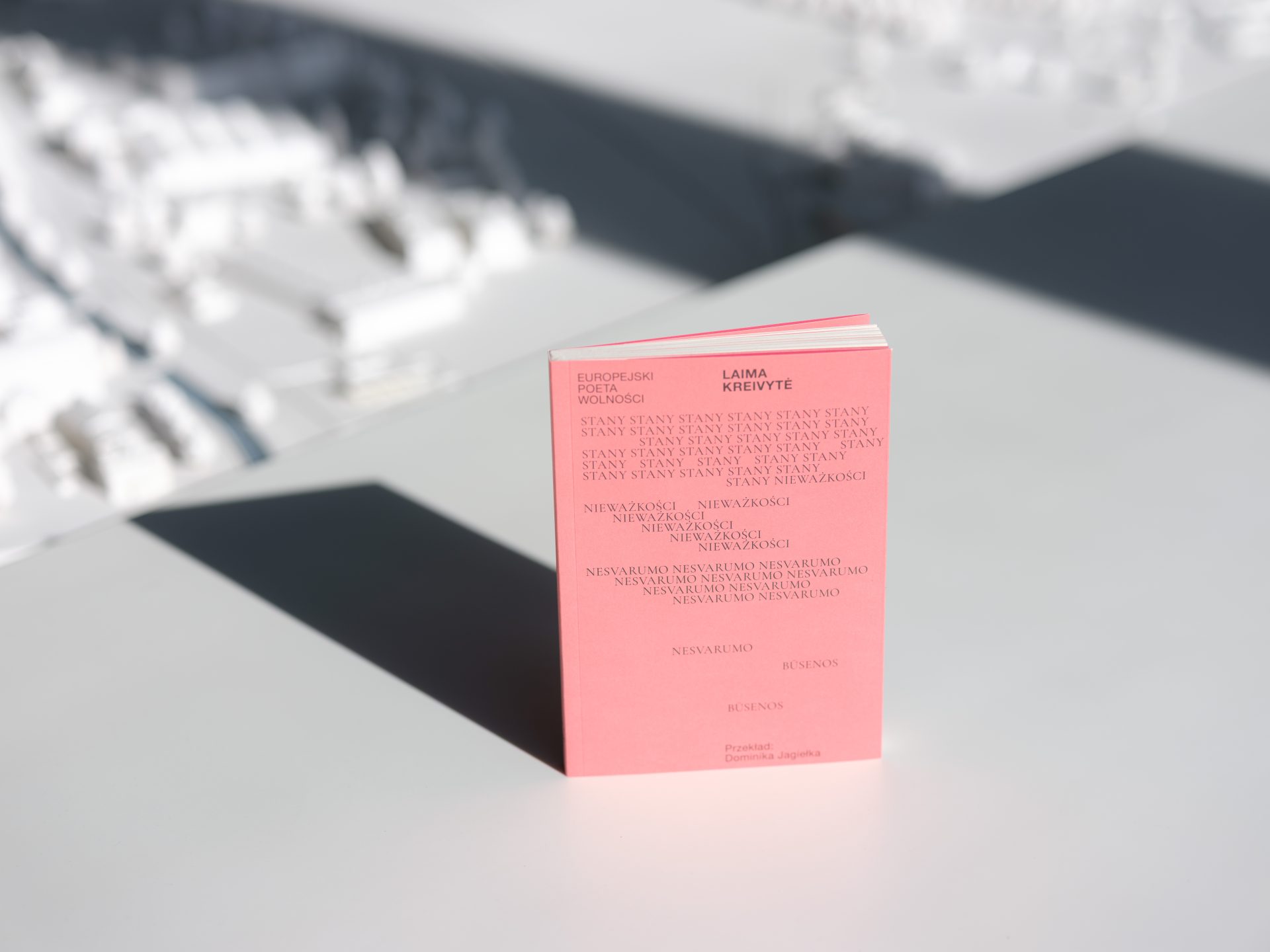
“Free with the free. Equal with the equal” is the main slogan of this year’s edition of an Equality March, which will return on the 17 October to the streets of Lublin. Alongside the demonstration there will be a whole week of events dedicated to diversity and community called “Culture for Equality”. As part of it, there will be a “States of Weightlessness” (“Stany nieważkości”) meeting with the Lithuanian poet and artist Laima Kreivytė with her translator Dominika Jagiełka, co-organised by the European Capital of Culture Lublin 2029.

The name of the event refers to a poetry book written by Kreivytė. In her work, intimacy and desire intertwine with feminist resistance. The use of irony also allows us to look at what we often take for granted.

The meeting will take place on 17 October at 6 pm in The Black Room in the Centre for Culture in Lublin. Laima Kreivytė with her translator Dominika Jagiełka will talk about the freedom of expression, queer experience and translation, which requires sensitivity to both intimacy and the political power of a poem. Thanks to this meeting, the participants will have the chance to look at the poetry itself and what happens between the original text and its translation.

“States of Weightlessness” is among the works nominated for the “European Poet of Freedom” Gdańsk Literary Award 2026. The book can be purchased at the Dosłowna Bookshop in the Centre for Culture in Lublin.

European Capital of Culture Lublin 2029 is a co-organiser of the event which aligns with its bid book’s values such as breaking down barriers for cultural participation and fighting discrimination against marginalised groups, including the LGBTIQ+ community.

Among other things, it is reflected in the planned realisation of the interdisciplinary ‘Queerz Get Loud’ festival, which celebrates the culture of the LGBTQ+ community in a safer space as well as ongoing production support for independent queer-feminist collectives. Moreover, the bid book also envisages the introduction of the ‘Culture: Safe space’ certification scheme, which sets standards for institutions and events that are free from hate speech and exclusion because of sexual orientation or identity.

Culture for Equality

The meeting will be part of the “Culture for Equality” week (12-18 October) accompanying the 7th Equality March in Lublin. Included in the programme are cultural and social events themed around equality, diversity and unity. The idea was born from a question: who can talk about Lublin, create its culture and feel comfortable in places it happens? Over the next week, in different parts of Lublin, anyone interested will have the opportunity to meet, observe, listen, talk, and work together.

“Culture for Equality” will combine initiatives from artists, social organisations and institutions. It will also be an opportunity to experience something new and to observe how the recipients are invited to participate: whose work is included in the programme, who gets to decide about its shape, what type of barriers emerge at the entrance and how they can be removed.

“We want these meetings to leave a lasting legacy: relationships between people and organisations, new collaborations, and greater mindfulness in our everyday cultural work. The question of who co-creates the city’s culture is particularly important for Lublin, since it is currently preparing for its European Capital of Culture year”, highlight the initiators of “Culture for Equality”.

For people who are done pretending

The Equality March will return to the streets of Lublin on 17 October. Its slogan deliberately refers to the Union of Lublin and to Lublin as a city of coalition, agreement and shared responsibility.

“(…) we march. For LGBTQIA+ rights. For people who are visible and for those who still cannot be. For people who are done pretending, staying quiet, excusing themselves for existing. For safety. For dignity. For Lublin – a place in which no one has to disappear in order to deserve respect”, announce the march organisers.

“States of Weightlessness” meeting

Date: 17 October 2026 (Saturday) from 6-7 pm

Place: Centre for Culture in Lublin (12 Peowiaków Street), The Black Room (1st floor). Free admission, no registration required.

Accessibility: The event takes place in an architecturally accessible venue. You may enter the building with an assistance dog. The event will be held in Polish with interpretation into English (interpreters: Kacper Kobylski, Zuzanna Semczuk). There will be no interpretation into Polish Sign Language (PJM).

The “Culture for Equality” programme is organised by the Equality Union Association in cooperation with the European Capital of Culture Lublin 2029 institution and the Centre for Culture in Lublin. Culture for Equality is held under the honorary patronage of the European Commission Representation in Poland, Magdalena Biejat, Deputy Marshal of the Senate of the Republic of Poland, and Krzysztof Żuk, Mayor of the City of Lublin.

Author: Tomasz Kowalewicz
Translated by Gabriela Niewadzi
Proofread by Aleksandra Górecka

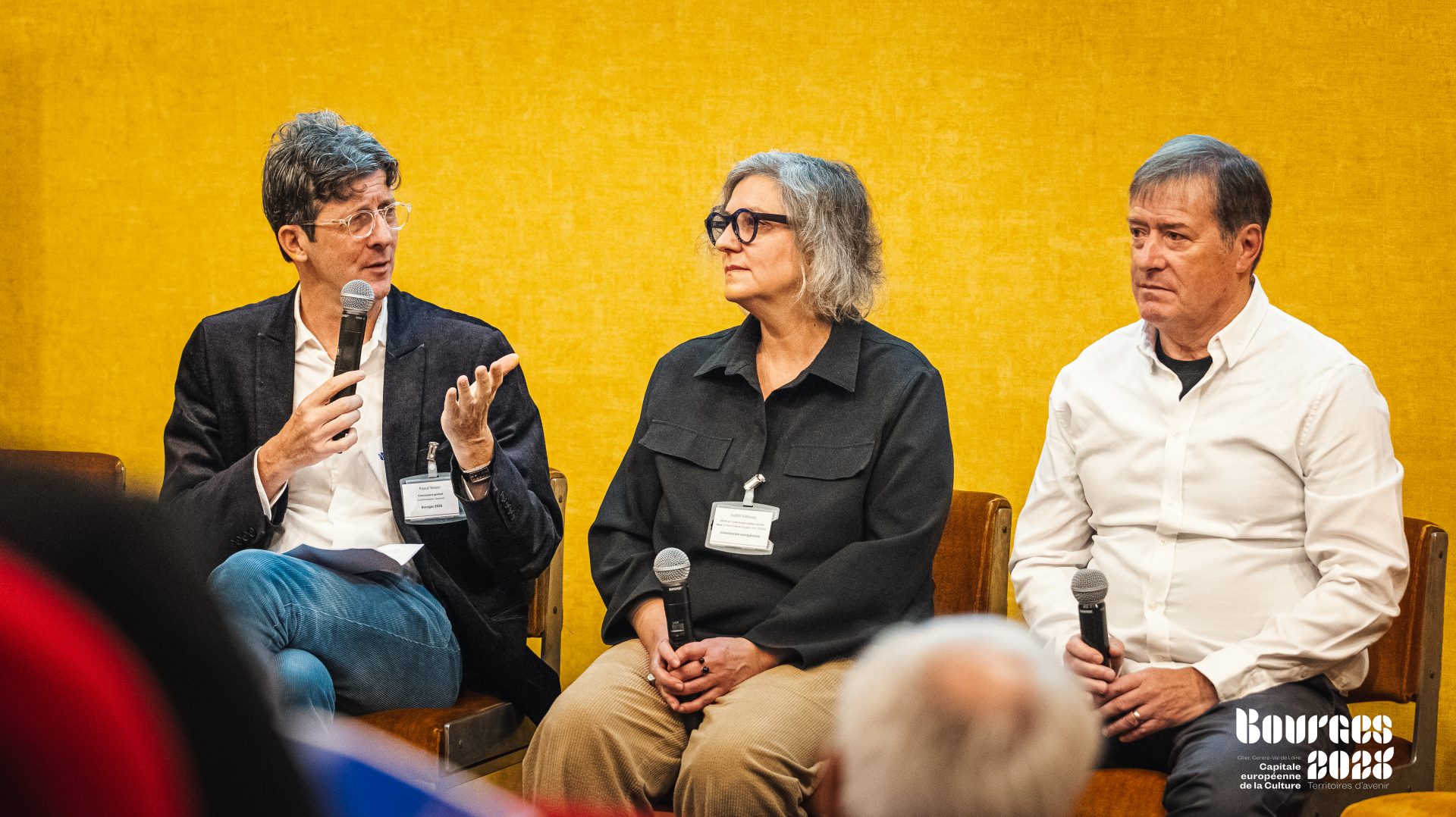
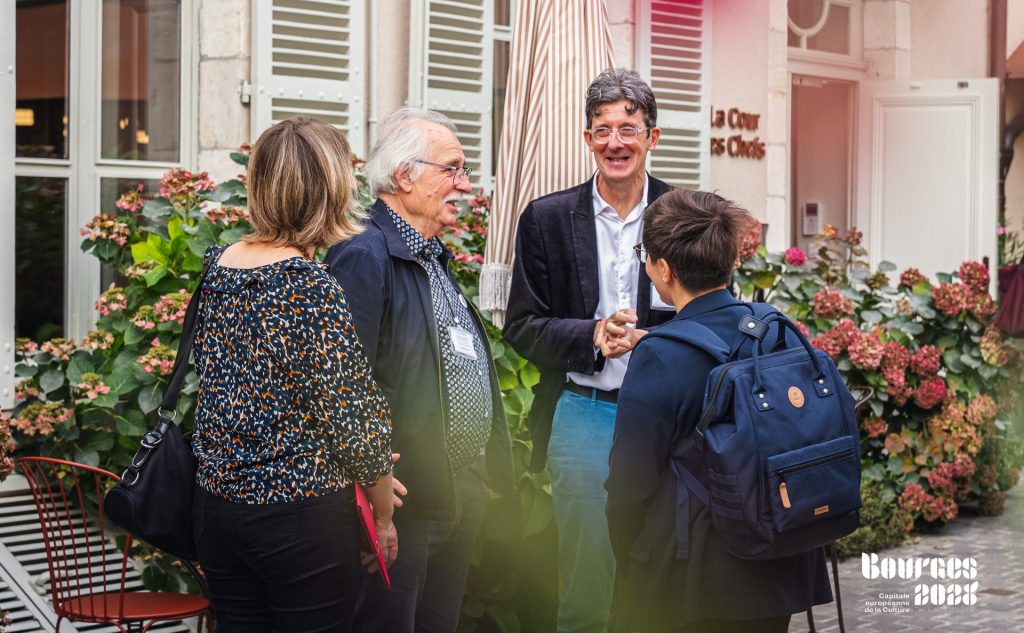
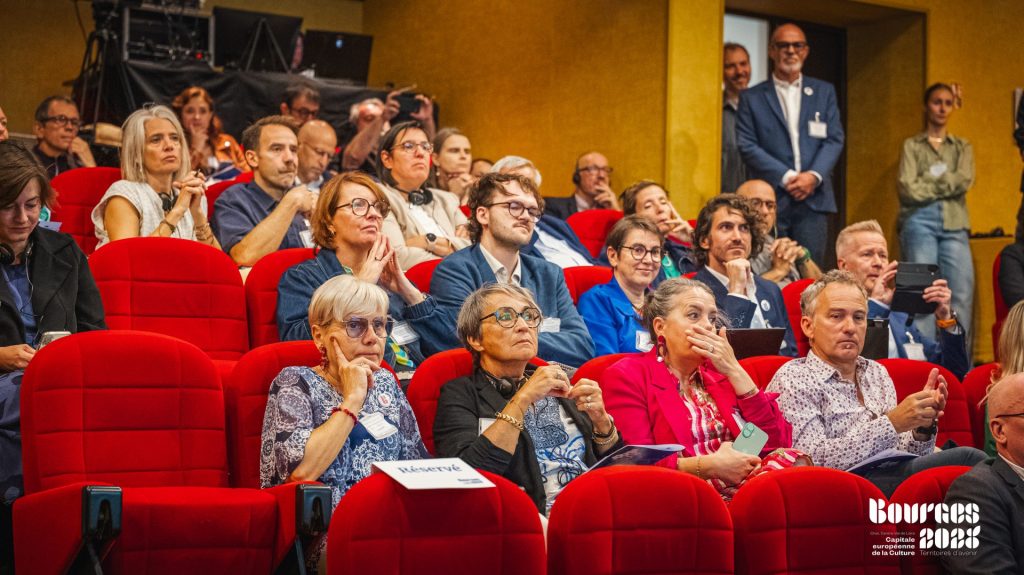
The “Matrix/La Matrice” conference in Bourges brought together European cities

By News

What does the European Capital of Culture title offer cities that have already been awarded it? How to build international partnerships and establish cooperation with regions? These were just some of the topics discussed during the Matrix/La Matrice conference held in September in Bourges, France – European Capital of Culture 2028.

The meeting welcomed delegates from over 35 cities, including 12 previous, current or soon-to-be Capitals of Culture, such as Nova Gorica and Gorizia, Oulu and Leuven. Representatives of the European Capital of Culture Lublin 2029 were also among the guests.

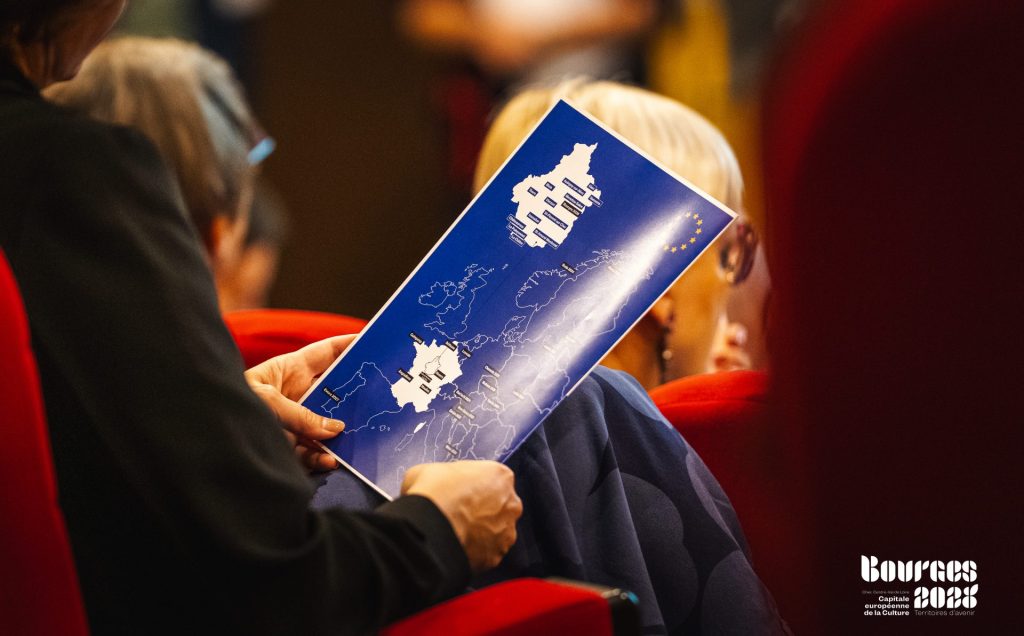
The conference served as one of the elements in setting up the European Matrix – a network which has been created by Bourges 2028 that aims to connect European cities and facilitate their cooperation even after the ECoC celebrations have ended. Plans include, for example, joint artistic and cultural projects, study visits and the exchange of experience. A dedicated pavilion is scheduled to be constructed and opened in Bourges in 2028 – it will provide cities with space for showcasing their projects.

In addition, representatives of the European Commission outlined the plans for the next stage of the ECoC programme. Representatives of French cities, departments and regions then discussed possible forms of cooperation at national level. There was also an opportunity for shared reflection on the future of the European Capital of Culture initiative.

Bourges served also as a venue for intense working discussions and establishing cooperation with European Capitals of Culture. One of the key partners is Kiruna which will hold this title alongside Lublin in 2029.

The participants also examined existing cooperation networks, such as ECoC Echo, which currently brings together nine European Capitals of Culture and focuses on the exchange of hands-on experience and mutual support. There was also plenty of discussion about ideas that could be applied in Lublin.

The Matrix/La Matrice Conference took place from September 23rd to 25th, 2026, in Bourges, France.

Translated by: Zofia Świerszcz
Proofread by: Aleksandra Górecka

The aftermath of the meeting in Tilburg. The slogan “RE:UNION” as the common ground for collaboration

By News

Collaborative productions, artists’ residencies and mutual support with organising festivals – this is how the cultural cooperation between Tilburg and Lublin could look like in the next few years. The representatives of both cities discussed reigniting the years-long relationship in the context of the Lublin’s preparations for the European Capital of Culture 2029 during a study visit to the Netherlands.

The Lublin delegation included representatives from the Culture Department of the Lublin City Office, the Lublin 2029 European Capital of Culture institution, the National Choreographic Centre, Galeria Labirynt, and Workshops of Culture. Over three days, they met with representatives of as many as 20 Dutch cultural organizations and institutions, as well as municipal authorities. They also attended performances at the Festival Circolo, which was taking place at the time.

Among the ideas put forward was cooperation between Lublin’s circus festivals and Festival Circolo in Tilburg, mutual exchanges, artistic residencies and other undertakings meant to increase the mutual curiosity of residents from Lublin and Tilburg.

Dance was one of the most discussed components. Thanks to the presence of the Fontys Academy, Tilburg has broad experience in interdisciplinary teaching in the fields of dance, circus arts and music. Lublin can benefit from gaining knowledge and learning from good practices in developing such an educational offer on its own.

Another thing worth mentioning is the fact that Tilburg has approx. 7 thousand Poles living in it. They form an ethnic minority in a city home to people from over 100 different countries. The common ground for our partners from Tilburg in this context is the slogan “RE:UNION”, which is the main idea for Lublin in 2029. It touches upon the subject of rebuilding and creating relationships despite barriers and between different communities.

Tilburg has to face similar challenges, while focusing on fostering mutual understanding and cooperation between its residents, who create a multicultural mosaic.

The visit to the Netherlands was organized with the key involvement of Joost Goutziers who is a cultural journalist, writer, and theatre critic. He has collaborated with Lublin for many years, leading dance criticism workshops during the International Dance Theatres Festival. Another crucial organiser, Paul Cornelissen, is a cultural advisor and manager with extensive experience in the creative sector.

Translated by: Gabriela Niewadzi
Proofread by: Aleksandra Górecka

“Art can give us an opportunity to listen to one other.” Reflections after the Arts of Democracy conference

By News

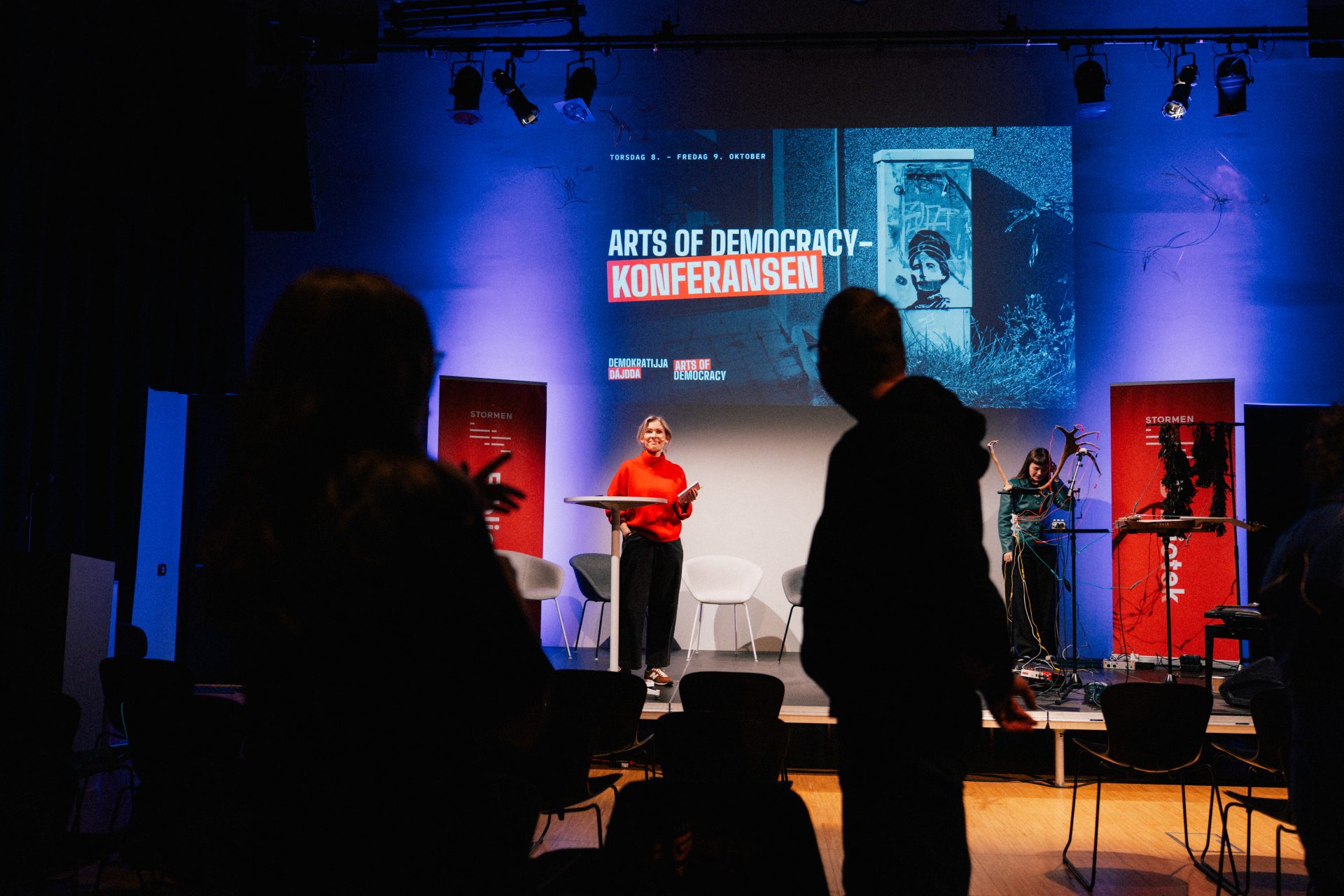
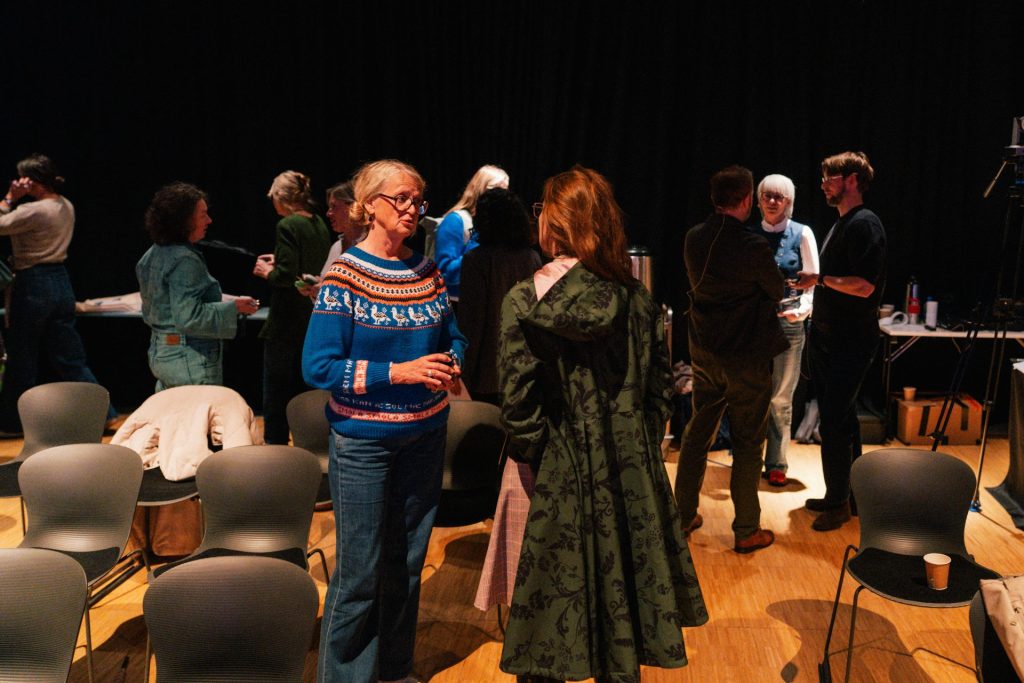
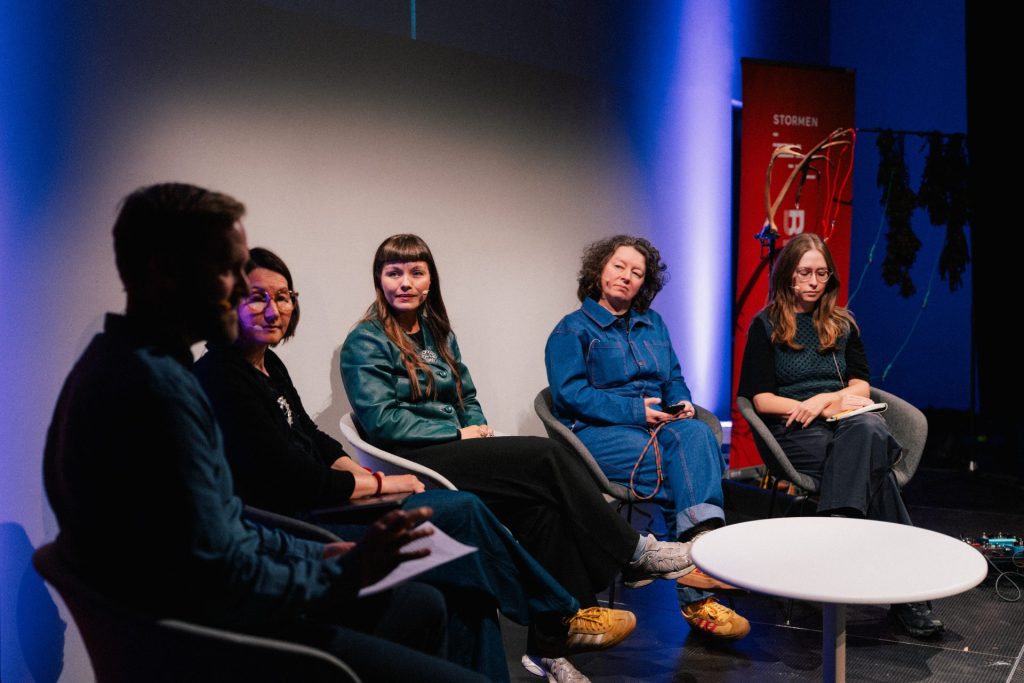
What happens to democracy when not all voices are heard? This was one of the questions faced by the participants of the Arts of Democracy conference which took place in October in Bodø, Norway. The international meeting also welcomed representatives of the European Capital of Culture Lublin 2029.

One of the central topics of the conference was culture serving as a tool for building democratic resilience and preparedness to respond to crises. The participants discussed, for example, how art, institutions, education and historical memory can become a space for democratic confrontation and the meeting of various perspectives. The debates also focused on the importance of international artistic cooperation in times of war, polarisation and growing social distrust.

Geir-Ove Andersen from Nordland Visual Theatre emphasised that art does not have to lead to consensus in order to have democratic value, but it can create conditions for coexistence, mutual listening and collective action. As he pointed out, the crisis of democracy deepens not only when people disagree, but above all when they stop meeting. At the same time, he accentuated the importance of international artistic cooperation in times of polarisation and growing social distrust. – Art will not solve geopolitical conflicts on its own, but it can keep open channels of communication between people who would not have the opportunity to meet under other circumstances.

In this context, representatives of Central and Eastern European countries, which are particularly affected by the war in Ukraine, shared an interesting perspective. The question of how cities preparing for the European Capitals of Culture celebrations operate in this reality has also received a considerable amount of attention.

The Mayor of Trenčín, Richard Rybníček, talked about the importance of democracy and freedom, as well as the responsibility for sustaining them. – Democracy is not perfect. Freedom is not perfect. But they create a space in which we can build a dignified life for all to pursue. Without any exceptions – emphasised the host of this year’s European Capital of Culture.

A key point of the conference was author meetings and debates devoted to the art and literature of the Sámi, the oldest indigenous people of Northern Europe, who dwell in the Sápmi region. They were primarily referred to in the context of freedom of expression, cultural diversity, the right to self-representation, and cooperation across national borders. Sámi culture was not merely reduced to its heritage; it was also presented as a contemporary, living culture, language and social practices.

The presentation of Lviv also deserves to be mentioned. Yuliia Khomchyn, director of the Institute of Cultural Strategy in Lviv and one of the authors of the “Responsibility to Be” application, showed that despite losing the competition for the ECoC title, the entire concept is still being developed, and its projects are being implemented. Today, Lublin and Bodø work together as partners implementing the idea of “Responsibility to Be.”

Lublin’s presentation

The schedule also included a presentation held by Lublin’s delegation on the RE:UNION programme as a tool for social change and culture as regeneration. The starting point was the city’s long tradition of cultural activism.

Marta Ryczkowska from the European Capital of Culture Lublin 2029 argued that culture has always been a catalyst for social change in Lublin: a space for dialogue, building communities and responding to political and social challenges. It is from these experiences that the idea of RE:UNION, the core of the Lublin 2029 ECoC programme, emerged. Culture is a tool for strengthening social resilience within it: it creates a space where people can meet, differ, listen to each other, experiment and develop new forms of collaboration.

The conference in Bodø demonstrated three interconnected dimensions of the relationship between art and democracy. Art creates space for encounter and dialogue without the need to reach an agreement, and the opportunity to meet, collaborate and express complex experiences is particularly important in times of polarisation, war and uncertainty. International cooperation can strengthen local communities and artistic environments if it is rooted in a specific area. However, the sustainability of these activities requires a responsible cultural policy, stable working conditions and long-term prospects of infrastructure and heritage.

These experiences and international exchanges are an important point of reference in the preparations for Lublin – European Capital of Culture 2029.

The Arts of Democracy conference in Bodø, Norway, took place from October 5th to 10th, 2026.

Translated by: Zofia Świerszcz
Proofread by: Gabriela Niewadzi

“Dream about the City” returns. Janusz Opryński’s production back in Lublin

By News

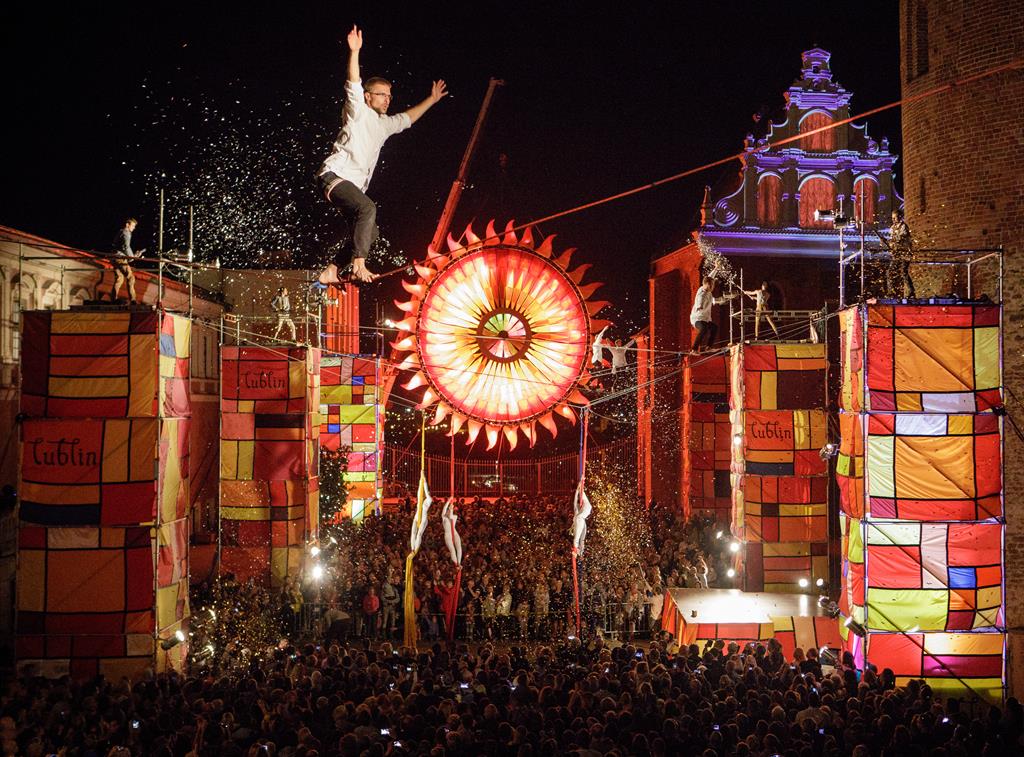
After ten years, “Dream about the City” is returning to the courtyard of Lublin Castle. It is returning, however, to a city that has added another chapter to its story since the production first premiered. As a result, the same performance can be interpreted differently today.

Janusz Opryński’s production, inspired by Józef Czechowicz’s A Poem about Lublin, does not try to tell Lublin’s history from beginning to end. Instead, it creates a series of images in which poetry meets theatre, music and contemporary circus. It is this mode of storytelling that has made “Dream about the City” linger in audiences’ memories and become one of the most important open-air productions staged in Lublin. Czechowicz’s poetry is not a text to be followed faithfully here. Instead, it becomes a starting point for a conversation about the city, its memory and constant transformation. This perspective resonates particularly strongly today. The return of “Dream about the City” coincides with a moment when Lublin is once again looking at its own history and searching for the language it wants to use to tell its story as European Capital of Culture 2029.

Acrobats and contemporary circus artists will once again come together on stage, while Rafał Rozmus’s music and Jarosław Koziara’s set design will recreate the distinctive setting of a production that has remained one of Lublin’s most recognisable performances for years.

“Dream about the City” will be presented from 13 to 17 August 2026 at 8:00 p.m. in the courtyard of Lublin Castle. The performance will be accessible with Polish Sign Language (PJM) interpretation and English subtitles.

BUY A TICKET

Translated by: Aleksandra Górecka
Proofread by: Gabriela Niewadzi