Category

News

2026 General Committee Meeting – Lublin 2029 & EU-Japan Fest

By News

In 2025, Japan was visited by 42.7 million people. Its extraordinary and distinct culture, centuries-old history, and sheer sense of difference continue to fascinate and captivate. A journey to Japan offers an intense experience of a completely different world – one that is, at the same time, both dynamic and soothingly harmonious.

Maciej Rukasz

It is a country of innovation, uniquely blending futuristic modernity with deeply rooted traditions visible at almost every step. For many Europeans, one of the most striking aspects is the centuries-long continuity of numerous companies, symbolizing a deep respect for heritage and durability.

Maciej Rukasz

In March, at the invitation of EU-Japan Fest, Katarzyna Duma and Maciej Rukasz visited Tokyo to take part in the ceremony marking the handover of leadership of the EU-Japan Fest Committee to its new, 34th Chairperson. The position was assumed by Mr. Masayuki Hyodo, CEO of Sumitomo Corporation, part of the Sumitomo Group. The company currently employs over 630,000 people and has been operating for 436 years – its uninterrupted history dating back to 1590, when Sigismund III Vasa ruled in Poland.

Ryohei Tomita

The ceremony took place at the residence of the Ambassador of Finland to Japan, in the presence of representatives of diplomacy, Japanese culture and business, as well as selected European Capitals of Culture.

Ryohei Tomita

The meeting provided an opportunity to present initiatives developed through cultural exchange and cooperation with Chemnitz and Nova Gorica in 2025, as well as with the current Capitals – Trenčín and Oulu. Deputy Secretary General of the EU-Japan Fest Committee, Jiro Kogi, presented the organization’s plans for the coming years, including those related to cooperation with Lublin.

Ryohei Tomita


Ryohei Tomita

Earlier, we held individual meetings with Mr. Masayuki Hyodo at the headquarters of Sumitomo Corporation and with Ms. Mami Kataoka, Directress of the Mori Art Museum. We discussed Sumitomo’s activities in Poland and Poland’s personal involvement in supporting the families of Sumitomo staff evacuated from its Kyiv branch. We were deeply impressed by the scale of implementation of the “Triple Value” vision, which involves considering environmental, social, and economic factors in evaluating every company initiative.

Ryohei Tomita


Ryohei Tomita


Ryohei Tomita


Ryohei Tomita


Ryohei Tomita

The conversation with Ms. Kataoka, whose museum – located on the 53rd floor of a Tokyo skyscraper—is visited by over 1.5 million guests annually, focused on the experiences of the National Museum in Lublin and the potential for collaboration between institutions. Of particular interest, in the context of Mori Art Museum’s current initiatives, was the exhibition “Mówi Obraz”, curated by young people. Further meetings and study visits are already being planned in Lublin.

Ryohei Tomita

During our stay in Japan, we also visited Kamakura – Culture City of East Asia 2025 – the Tokyo Toy Museum, and Mirai Lab, a research initiative developed by Sumitomo Corporation. We also took part in meetings concerning the Polish Festival in Tokyo, which we will co-create.

Ryohei Tomita


Ryohei Tomita

The EU-Japan Fest Committee is a remarkable organization that, for over 30 years, has consistently collaborated with successive European Capitals of Culture, delivering hundreds of cultural projects that connect Europe and Asia. Our visit to Japan marks another step in strengthening this international cooperation and promoting Lublin on the global cultural map.

Ryohei Tomita


Culture Defence Seminar

By News

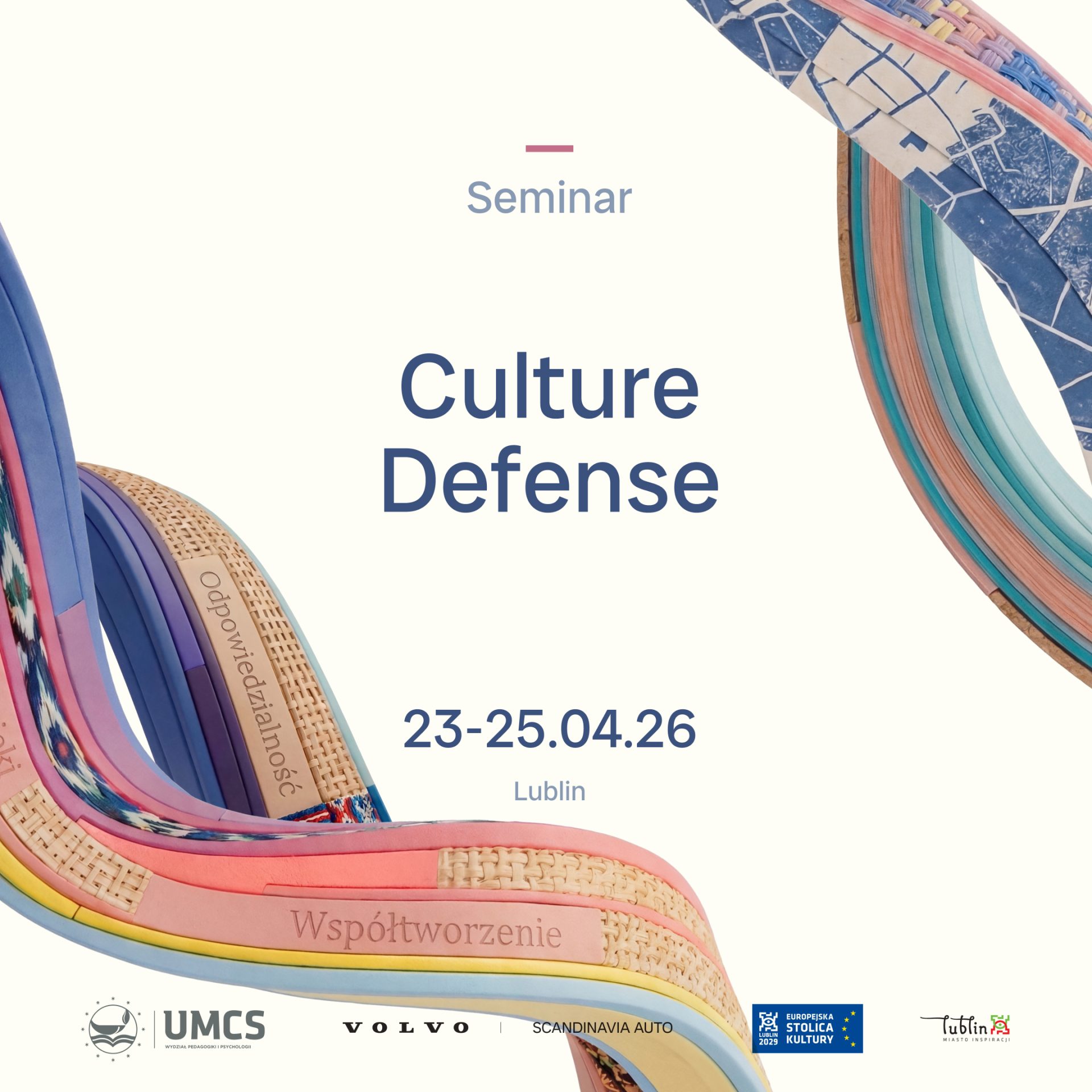
Culture Defence Seminar – Lublin, 23–25 April 2026

Culture has the power to heal, to inspire hope, to build bonds, and to strengthen resilience in times of challenge. Yet it can also lead to burnout and intensify crises. It is therefore a force of immense potential—one that, when thoughtfully navigated, can support social change.On behalf of the European Capital of Culture Lublin 2029, we invite you to the interdisciplinary seminar Culture Defence / Kultura Ochrony, which will take place in Lublin from 23 to 25 April 2026.

Over the course of three days, the seminar will bring together the knowledge of researchers, the experience of artists, and the practice of cultural practitioners and public policy makers with experience in European Capitals of Culture. The seminar will become a space for the exchange of experiences, regeneration, and co-creation.

The central theme of the meeting is resilience in culture, explored in relation to health, community and creative work, team wellbeing, and information security. We will reflect on how resilience is understood differently depending on geopolitical context, and how its definitions can diverge in profoundly contrasting ways. The resilience we address is a constructive and critical potential that seeks to strengthen shared responsibility. Intertwined with culture, it forms a foundation that reinforces democratic resilience and social cohesion, supporting the pursuit of Re:Union, as outlined in Lublin’s ECoC application.

The seminar is co-organized in collaboration with the Faculty of Pedagogy and Psychology at UMCS. To ensure accessibility, participation is free of charge, and support will be provided for people with special needs. Registration for workshops will open soon; due to limited capacity, participation will be granted on a first-come, first-served basis. The seminar will be held in Polish and English, with simultaneous interpretation provided. Selected lectures will also be available in Polish Sign Language (PJM).

link to the form

For further information, please contact:
Marta Ryczkowska – marta.ryczkowska@lublin2029.pl

Culture Defence / Kultura Ochrony – Seminar Programme

The plenary sessions will take place at the Faculty of Psychology, UMCS (9:00–14:00), and the workshop sessions at the Faculty of Pedagogy, UMCS (15:00–18:00).

PROGRAMME 

Seminar Programme: Culture Defense  

Thursday, 23 April 2026

9:00 – 9:30 Welcome of guests and presentation of the seminar programme

9:30 – 11:10 | Culture as Care Infrastructure

Resilience is a critical force that not only determines survival, but also unlocks a system’s capacity for change. The experiences of European Capitals of Culture and cities operating under wartime conditions demonstrate how diverse and complex cultural actions can strengthen resilience. In times of crisis, culture becomes a foundation for both defense and hope.

Presentations and plenary session:

9:30 – 9:45 Making Sense in a Time of War: Beyond Resilience in Ukrainian Culture /  Iryna Polikarchuk (Artsvit, Dnipro) 

9:45 – 10:00 European Capitals of Culture: Beyond Events, Towards Care / Angeliki Lampiri (Eleusis 2023)

10:00 – 10:15 Culture as Care Infrastructure: From Symbolic Value to Social Capability / Sara Vuletić (Novi Sad 2022)

10:15 – 11:00 Conversation: Iryna Polikarchuk, Angeliki Lampiri, Sara Vuletić; Moderation: Marta Ryczkowska

11:00 – 11:20 | Break

11:20 – 12:10 | Change from Within – Well-being and Cultural Management
Can we speak about the quality of culture without the quality of its management? The starting point of the debate is the belief that the well-being of people working in cultural institutions is not a “soft add-on,” but a fundamental condition of their functioning. The conversation will focus on the tensions between systems and the everyday reality of institutional work: the responsibility of the state and cultural organizers, the actual agency of managers, and the pressures under which teams operate on a daily basis. The panel will feature: Hanna Wróblewska (long-time Director of Zachęta – National Gallery of Art, Commissioner of the Polish Pavilion at the Venice Biennale, and Minister of Culture and National Heritage in 2024–2025), Anna Długołęcka (HR expert, psychologist, trainer, and manager), and Sławomir Księżniak (Director of the Węglin District Cultural Centre in Lublin).

12:10 – 12:30 | Break

12:30 – 14:00 | The City as a Laboratory
European Capitals of Culture test mechanisms that strengthen resilience through culture. The city functions as a learning community, and a shift away from the “trauma → growth” narrative towards care, regeneration, and co-creation makes it possible to develop a catalogue of formats that can be implemented in Lublin.

12:30 – 12:55 Monitoring and Evaluation Team of the European Capital of Culture 2029  / Prof. Agnieszka Kolasa-Nowak, Prof. Radosław Mącik, Monika Ratajczyk, PhD, Andrzej Stawicki, PhD; Małgorzata Dziekanowska, PhD

12:55 – 13:10 Why Do We Need a Joint Strategy for Culture and Health in Poland? / Edyta Ruta

13:10 – 13:25 Characteristics of Lublin’s Cultural Workforce – Potentials and Challenges / Marcin Cabak, PhD

13:25 – 13:55 Conversation: Edyta Ruta (Pasmo Foundation), Marcin Cabak, PhD (UMCS), Agnieszka Wojciechowska (Workshops of Culture), Monika Ratajczyk, Andrzej Stawicki (M&E ECoC Lublin 2029)
Moderation: Aga Kozak

13:55 – 14:00 Summary and preview of the next day

14:00 | Break 

15:00 – 18:00 | Workshops

The body is a source of knowledge and a site where overload accumulates. The workshops address the psychosomatic effects of project-based, activist, and curatorial work. They are multisensory in nature: activating touch, hearing, and smell, and restoring balance. Movement, somatic, and breathing practices become tools of regeneration. A set of simple, scientifically grounded techniques emerges, which can be applied within cultural institutions.

15:00 – 17:30 Music in Action – Areas of Experience, Exploration and Regulation / Prof. Krzysztof Stachyra (UMCS)

15:00 – 17:30 It’s Said It Can’t Be Done. And Yet: How to Transform a Cultural Institution from Within – into a Better Workplace / Anna Długołęcka

15:00 – 16:30 Starting from Care / Konrad Kurowski


15:00 – 18:00 A Jar of Sourdough Starter as a Tool of Survival  / Łukasz Radziszewski

15:00 – 17:00 Finding Understanding. On Effective Communication in an Intercultural Environment / Iza Gawęcka

15:00 – 18:00 From Frustration to Connection – How to Engage in Dialogue in Conflict. NVC Workshop / Magdalena Kosicka-Leszczyńska

19:30 – 20:45 | Centre for Culture, Bright Hall (Sala Jasna)

Sound Bath. Gong and Singing Bowl Concert / Rima Sadurska


Friday, 24 April 2026

9:30 – 11:30 | Culture as the Infrastructure of Care
Cities that have developed programmes or applied for the title of European Capital of Culture demonstrate how complex the thinking about resilience built through culture can be. Their experiences reveal a network of interconnections between cultural activities and areas such as heritage protection, mental health, and relations within democratic systems. We also highlight European initiatives that strengthen social cohesion through culture.

Presentations and plenary session:

9:40 – 10:00  Lviv’s Path to the ECoC: the competition is over, “Responsibility to Be” continues / Yuliia Khomchyn (Lviv 2030 – candidate city)

10:00 – 10:20  Resilience, care and open culture / Rosella Tarantino (Matera 2019)

10:20 – 10:40 Culture for resilience – Communities as the soft core of societal resilience / Felix Schartner Giertta (BSR Cultural Pearls)

10:40 – 11:20 The discussion will feature: Yuliia Khomchyn (Lviv 2030 – candidate city), Rosella Tarantino (Matera 2019), Felix Schartner Giertta (BSR Cultural Pearls). Moderation: Marta Ryczkowska.

11:20 – 11:40 | Przerwa

11:40 – 12:40 Building Resilience
Artistic practices and intercultural facilitation function as a safe testing ground in which one can learn cooperation, build relationships, and overcome fear, enabling instinctive and effective action in situations of real threat.

Presentations:

11:40 – 12:00  Cultural animators in the work environment – psychosocial conditions / Urszula Lewartowicz, PhD (Maria Curie-Skłodowska University), Andrzej Różański, DSc, Prof. UMCS

12:00 – 12:15 | The artist in crisis / Katarzyna Klimkowska, DSc, Prof. UMCS

12:15 – 12:30 | Intercultural facilitation and crisis resilience / Marcin Skrzypek (Brama Grodzka – NN Theatre Centre, Spacial Culture Forum)

12:30 – 12:50 | Break

12:50 – 14:00 Culture, Security and Information Resilience

Culture can strengthen critical thinking and the ability to recognise manipulation. We will examine the mechanisms of disinformation and fake news in the fields of culture, art, and public debate. We will reflect on the role of cultural institutions as social mediators and discuss practical tools such as fact-checking, crisis communication, debate moderation, and conflict management.

12:50 – 13:10 A Space of Trust. Art as an Infrastructure of Security / Bogna Świątkowska

13:10 – 13:30 In the Network of Narratives / Rafał Sakowski

13:30 – 13:55 The discussion will feature: Bogna Świątkowska (President of the Bęc Zmiana Foundation for New Culture), Rafał Sakowski (founder of the PASMO Foundation – Institute of Social Resilience), and Ada Florentyna Pawlak (lecturer at SWPS University, anthropologist of technology, lawyer, and art historian). Moderation: Aga Kozak.

13:55 – 14:00 Summary and preview of the next day

14:00 | Break

15:00 – 18:00 | Psychosomatics and Affective Labour: From Tension to Regulation
The body is a source of knowledge and a site where overload accumulates. The workshops address the psychosomatic effects of project-based, activist, and curatorial work. They are multisensory in nature – activating touch, hearing, and smell, and restoring balance. Movement, somatic, and breathing practices become tools of regeneration. A set of simple, scientifically grounded techniques emerges, which can be applied within cultural institutions.

15:00 – 18:00 Movement Toward the Future / Marysia Stokłosa  

15:00-18:00 Working in Culture Without Burnout? Workshop for the Cultural Sector / Karolina Pluta

15:00-17:00 My Boundaries – Workshop on Recognising One’s Limits / Iza Gawęcka

 Saturday, 25 April 2026

10:00 – 11:40 | Inclusive Communication and Intercultural Practices
This module focuses on cross-sector cooperation with migrant communities and on tools supporting inclusion and co-creation in culture. It concentrates on building community within diverse teams, as well as developing belonging, trust, and a sense of shared responsibility. 

10:00 – 10:20 Inclusive Language in Practice: Tools for Accessible, Mindful, and Care-Based Communication  / Jolanta Sienkiewicz-Prochowicz

10:20 – 10:40 Art as Support and an Accessible Space for People with Visual Impairments / Ewa Niesterowicz, DSc (Maria Curie-Skłodowska University)

10:40 – 11:40 The discussion will feature: Jolanta Sienkiewicz-Prochowicz (philosopher, anti-discrimination trainer), Dr hab. Margaret Ohia-Nowak (linguist, media studies scholar, UMCS), and Anna Dąbrowska (President of the Homo Faber Association). Moderation: Aga Kozak.

11:40 – 12:00 Break

12:00 – 13:30 | Empowering Artistic Practices
This module shows how artistic practices strengthen resilience and the well-being of creators. We explore performative tools in work with young people. We also analyse how institutional resilience is built and how the “health condition” of cultural institutions and art academies can be monitored.

12:00 – 12:20 Perception and Discomfort Laboratory / Paulina Kempisty

12:20 – 12:40 From Sensitivity to Resilience: Mechanisms for Building Well-being in Artistically Gifted Individuals / Małgorzata Kuśpit, DSc, Prof. UMCS

12:40 – 13:25 The discussion will feature: Paulina Kempisty (Grotowski Institute), Dr hab. Małgorzata Kuśpit, Prof. UMCS, Dr hab. Marta Bosowska (performance artist, University of the Arts in Poznań), Dr Marta Ryczkowska (ESK Lublin 2029), and Łukasz Radziszewski (artist).

13:25 – 13:30 Summary and closing of the seminar

13:30 | Break

14:30 – 16:00 | Psychosomatics and Affective Labour: From Tension to Regulation

Body and mind function on equal terms. The module includes movement, somatic, and breathing practices that support regeneration and help cope with overload in creative work.

14:30 – 16:00 Starting from Care / Konrad Kurowski

14:30 – 16:00 Mindfulness – the Practice of Awareness / Agata Semplińska

14:30 – 16:30  Boundary Practices  / Marta Bosowska


The Team:

Curator and Programme Coordinator
Marta Ryczkowska

Production:
Jagoda Valkov, Izabela Raszewska

Moderation:
Aga Kozak

Contact: marta.ryczkowska@lublin2029.pl

Construction of the Children and Youth Arts Center is beginning!

By News

The iconic Railway Workers’ Cultural Center is becoming part of history, only to return in a completely new, innovative form. The investment site at 35 Kunickiego Street has already been officially handed over to the contractor. Over the next two years, a modern Children and Youth Arts Center will be built here—one of the key spaces on the map of the European Capital of Culture Lublin 2029.

The Railway Workers’ Cultural Center is a place with over 70 years of tradition, which for decades was full of life, bringing together the local community. It hosted dance parties, film screenings, music band rehearsals, and meetings in the library. Today, this place is opening a completely new chapter. It is transforming into an open and creative space designed especially for young people and children in our city.

The renovated facility will become the new cultural heart of the district. Its spaces will include:

The H. Ch. Andersen Theatre (a large theatre hall with full stage facilities, a studio theatre, rehearsal rooms, art studios, and a makeup room),

A branch of the Municipal Public Library (a modern lending library combined with an illustration studio and workshop zone),

Animation spaces (areas created for developing passions, community meetings, and social activities).

The transformation at Kunickiego Street is one of the foundations of the European Capital of Culture Lublin 2029 program. Construction is scheduled to be completed in May 2028. The scope of the investment includes not only the building itself (partial demolition, expansion, and vertical extension), but also comprehensive development of the surrounding area. The project is planned to be co-financed under the European Funds for Lubelskie 2021–2027 program.

Culture and Care: A Shared Space for Change

By News

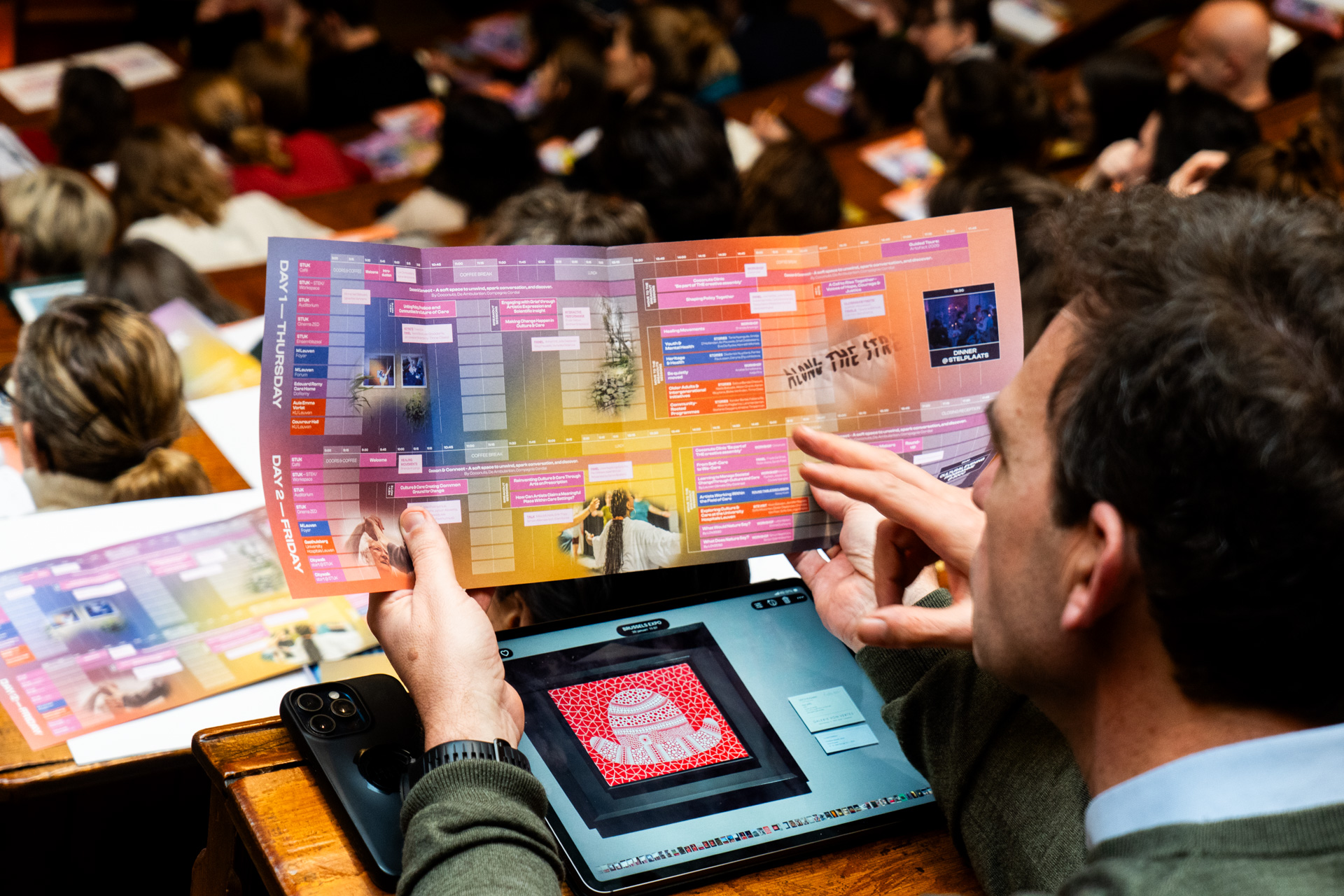
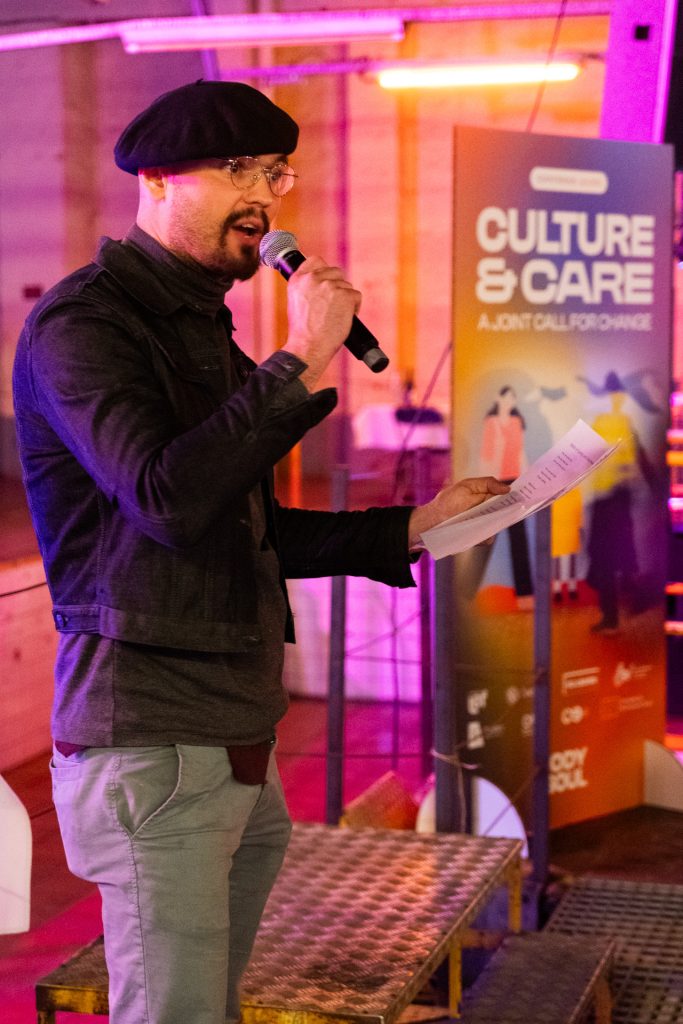
Culture and care are fields that nourish and reinforce one another. It is no coincidence that they came together in Leuven, the Flemish city that will hold the title of European Capital of Culture 2030. On 26-27 February 2026, Leuven hosted the international conference Culture & Care: A Joint Call for Change, devoted to the relationship between culture and care systems and to the role of the arts in fostering wellbeing and social resilience. It was a lively and emotionally engaging gathering of professionals from the fields of culture, healthcare, academia, and public administration from across Europe.

Discussions focused on culture as an ecosystem connected with care and empathy, an instrument that supports mental health, strengthens social relationships, and builds community. Particular attention was given to models of cross-sector cooperation, including the increasingly popular European initiative known as Arts on Prescription. Participants also reflected on the need for systemic solutions within public policies. This point was strongly emphasized by Caroline Gennez, the Flemish Minister for Welfare and Poverty Reduction, Culture and Equal Opportunities. The very scope of her ministry illustrates how closely culture is integrated into the social sphere.
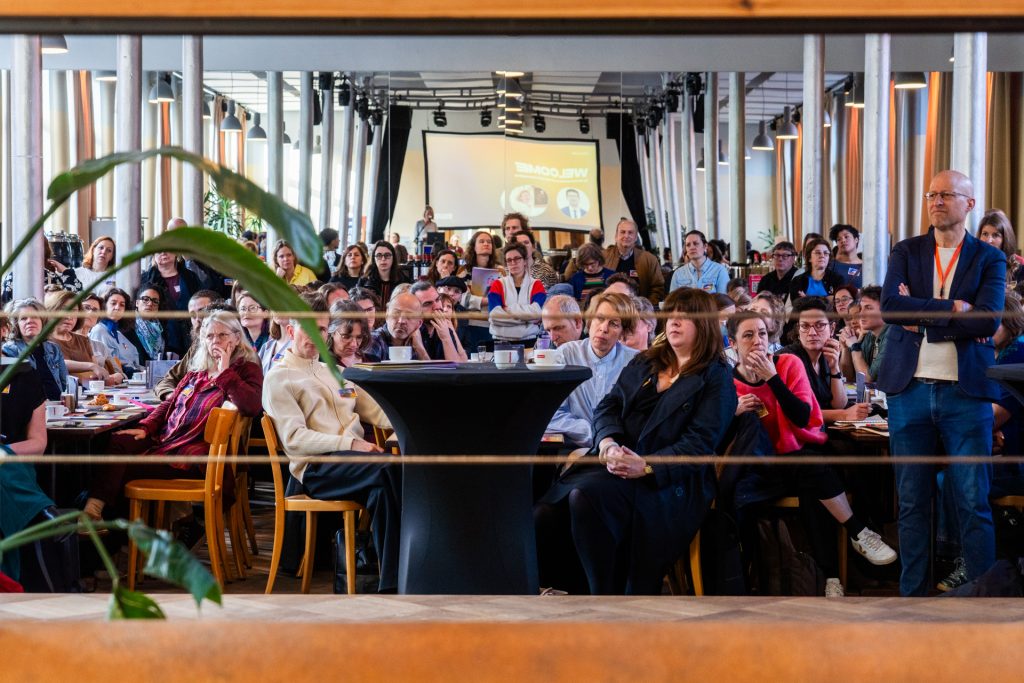
A particularly moving moment of the programme was the address by Izzeldin Abuelaish, a physician from Gaza who has been nominated five times for the Nobel Peace Prize. His tragic life experiences have become a powerful impulse for advocating peace, reconciliation, and forgiveness. The conference also included an important postcolonial perspective, particularly relevant in the Belgian context, expressed in the poetry of Tawona Ganyamatopé Sitholé and in the reflections of Congolese artist Junior Akwety.

Alongside inspiring speeches, substantive debates, shared dances, and sound journeys to the Botanical Garden, participants took part in study visits to places where culture and care intersect in practice, including the University Hospitals Leuven. Creative initiatives such as dance doctors, the Muze & Art programme in the children’s hospital, music therapy, and the newly established library centre have a calming and supportive impact on patients’ wellbeing, an effect confirmed by research. The conference demonstrated how crucial it is to strengthen initiatives that connect culture, resilience, and social responsibility.

Cultural Climate Change Oulu 2026 Opening

By News

Is the opening of a European Capital of Culture an event that defines the title year? Absolutely! And it definitely should not follow any set formula. Every country, every capital is unique, and it is precisely the diversity of European cultures that defines us – united in diversity. This important event is not always a grand ceremony in the main square, but it should always be a manifestation of the city’s culture, a meeting with culture shaped by a vision and the unique idea behind it’s candidacy.

The ceremony in Oulu – European Capital of Culture 2026, a digital hub of the North – was an opportunity for direct encounters between residents, representatives of indigenous cultures, and guests of the ECoC. The three-day Opening Festival showcased the potential of the city and the region, as well as ideas that will be consistently developed throughout the year. Cultural Climate Change, the motto of Oulu, was felt everywhere. On a freezing Friday evening, concluding his long-applauded speech, Alexander Stubb, President of Finland, could not hide his admiration – Oulu, even cooler than you think!

Photo: Linnea Laatikainen

A particularly new feature was the idea of lounges – spaces in the city center dedicated to other European Capitals of Culture. Each capital could arrange them in its own way, and the European Commission and Culture Next also had their own lounges. We had the pleasure of collaborating with Kiruna 2029 in one of Oulu’s oldest buildings – the club and pub Ravintola Kaarlenholvi Jumpru. Over more than 200 years, the building had served as a private house, a hospital, and a restaurant, before becoming one of the city’s most popular clubs. Guests, among other events, could enjoy a concert inspired by Northern songs performed by Meri Nikuli and dance to Polish funk played by Zura, one of most renowed representatives of Lublin’s DJ scene.

photo: Maciej Rukasz

Culture filled the entire city, with over 250,000 people attending the events. At the Pekuri shopping mall, visitors could experience the outstanding photography exhibition Play from the Fotografiska Tallinn collection. The northernmost contemporary art museum, Oulu Art Museum, presented the exhibition Eanangiella. Voice of the Land. It was the first major showcase of Sámi art and craftsmanship, highlighting the diversity, resilience, and pursuit of balance characteristic of this culture as such. There was also a sense of longing for the irrevocably lost bond with nature.

Photo: Choi Hung Estate, Day two © Pelle Cass

The fifth-largest city in Finland, located almost 200 km south of the Arctic Circle, was buzzing with life. More than 200 events awaited participants: spectacular Ice Music concerts on the main stage, numerous music events, public-space exhibitions and the world’s first opera in the Sámi language. Sámi are recognized as the only indigenous people in the Nordic countries and the northwesternmost part of Russia, spanning a region called Sápmi. Their roots stretch back thousands of years.

Photo: Petteri Löppönen

Each event fascinated in its own way. Simple, inventive solutions also delighted visitors: small places to warm up, an ice rink and a snow playground for children in the middle of the open-air audience, and ice platforms so that the youngest could better observe the events. No wonder that, providing so much warmth and care, Finland has ranked as the happiest country in the world for eight consecutive years.

photo: Maciej Rukasz

There was also room for discussions about the future of European Capitals of Culture. Maciej Rukasz and Marta Ryczkowska participated in the international debate “How to Create a European Capital of Culture with Russia at Your Back”, dedicated to geopolitics, countering propaganda, polarization, and cultural resilience.

Oulu is 1,500 km away from Lublin as the crow flies, and a flight from Warsaw takes about four hours with a quick transfer in Helsinki. Ahead lies a full year of truly extraordinary events. It’s definitely worth being there. The full program for the title year can be found at oulu2026.eu/en/

Maciej Rukasz & Marta Ryczkowska

Photo: Iina Tauriainen


Chemnitz 2025: The power of Feierabend!

By News

The completion of the Chemnitz 2025 European Capital of Culture programme under the slogan “Feierabend!” (closing time or calling it a day in German) was an energetic finale which proved that the motto “C the Unseen” has become a reality. Thanks to the ECoC title, the city and the entire south-eastern part of Germany (Saxony) have etched themselves as a lasting and prominent highlight on the map of Germany, Europe and the entire world.

The closing weekend was an opportunity to sum everything up. The ECoC programme held over 2,000 events. Over 2 million guests participated in initiatives throughout the year, and on the final day alone, the city center was visited by over 36,000 people. The project involved 1,300 volunteers, who worked a total of about 45,000 hours, and 731 partner organizations, including 233 international partners from 40 countries.

The final events attracted a large audience: 22,000 spectators watched the Miners’ Parade, 6,000 people sang carols together, and 4,000 participants took part in the creative workshop called Maker Advent – an award-winning project involving local creators.

Among the key initiatives that will remain after the year of the ECoC are:

Purple path as the largest sustainable project in the Capital of Culture region. It is an art and sculpture trail which forms a symbolic link between Chemnitz and its 38 partner municipalities. The trail showcases the works of over 60 international, regional and local artists.

In the area of investment – it is an urban development project on a scale like no other, implemented along with the active participation of residents. It covered 30 areas where post-industrial sites were modernized and wishes of the locals (e.g. parks, hiking trails, better accessibility) were fulfilled. Approximately 57 million euros have been allocated for this purpose.

Makerhubs and Maker Advent, thanks to which 9 creative spaces (maker hubs) have been created in order to promote creative tourism. The latter project, which offers practical workshops, received the German Tourist Award 2025.

#3000Garagen – a project utilising garages as creative spaces, involving 1,000 people and 34 international artists.

The ECoC title has also significantly contributed to the development of tourism. Between January and September 2025, the number of overnight stays in Chemnitz increased by 23.8% and the number of guests from Asia grew by 53.5%. The number of tourists from Europe (excluding Germany) was also on the rise – here by 17.7%.

Participating in ECoC Family meetings and the final events in the capital for this year has been a learning experience about the potential of the European Capital of Culture title.

Chemnitz 2025 has proven that the ECoC is not just a year of festivals, but also a “new beginning”.


Małgorzata Drozd – Domaciuk


Translated by: Zofia Świerszcz

Proofread by: Gabriela Niewadzi


Culture as a tool for change

By News

European Capitals of Culture is a dynamic format which evolves in each host city. This has been explicitly demonstrated during the training meeting with Dr Beatriz García, one of the most active European experts in the area of food policy, urban development through culture and the long-term effects of European Capitals of Culture.

The event was attended by the representatives of the Lublin’s cultural community, including members of the ECoC consortium, creators and officials. The meeting provided an opportunity to exchange thoughts, questions and experiences regarding the role of culture as an integral element of urban policy. Dr García, who has over 20 years of research experience, including Liverpool 2008, Glasgow 1990, and the evaluation of subsequent ECoC editions, highlighted the importance of strategic thinking about the programme’s legacy, narrative consistency and data-driven work.

On the one hand, the talks in Lublin were a source of inspiration and confirmed that the whole project is reasonable. On the other hand, they clearly pointed out the number of challenges and work still awaiting in the process of European Capital of Culture Lublin 2029. Dr Beatriz García’s visit is an important step in shaping conscious, long-term and strategic approach to the ECoC as a process capable of bringing lasting change to the city and its community.

Translated by Gabriela Niewadzi

Proofread by Aleksandra Górecka

Lublin in Local-SoMe’25

By News

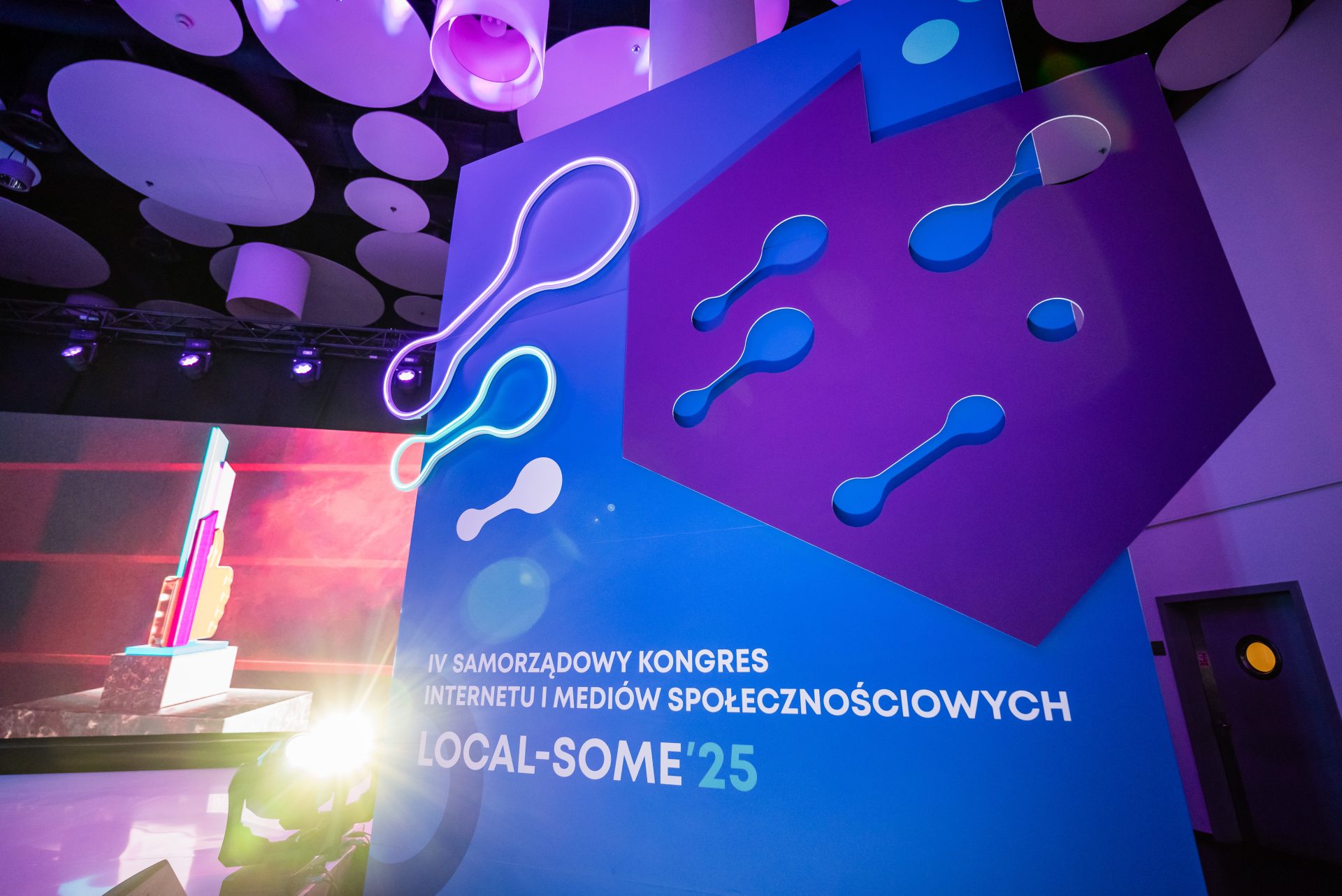
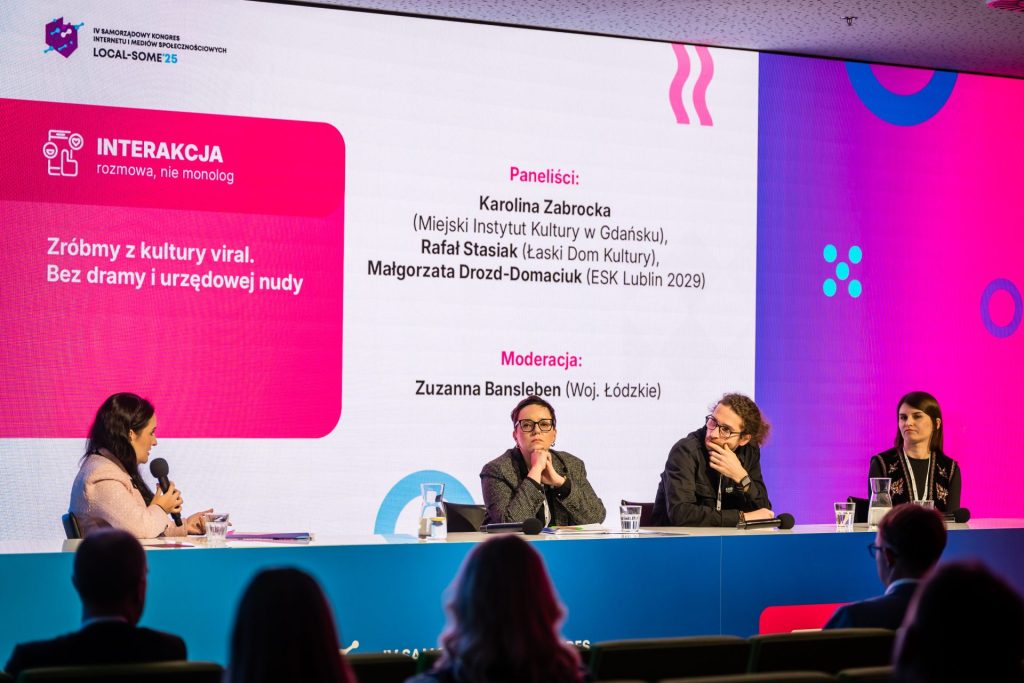
Local-SoMe’25 in Wrocław is the only event in Poland entirely dedicated to effective local government communication, and centered on the question, “How to communicate in a way that is meaningful and effective?” The Congress’s structure reflected the actual communication cycle: from the birth of an Idea, through Content and Publication, to Interaction, Reception, and Analysis.

Lublin 2029 RE:UNION was actively represented during the panel titled “Talking about culture to make it visible and memorable.” The discussion focused on the challenges cultural institutions with limited budgets and resources face when promoting their activities. Among the participants was Małgorzata Drozd-Domaciuk, who is involved in communication for ECoC Lublin 2029 and the Centre for Culture in Lublin.


During the Congress, speakers emphasized that in a world where being active on social media has become a must, simply “being there” is no longer enough. Communication cannot be merely aesthetic; it must also be clear and strategic rather than chaotic. It has to build relationships and start with a understanding of why we communicate, and who we are communicating to. One of the key topics was the need to break away from excessive formality in communication. In order to make notices and announcements sound less official, it is necessary to leave behind “official language” in favour of a more engaging way of speaking.

The Congress called for public institutions to communicate local issues “simply, accurately and with local energy”. Every city has its own authentic atmosphere – its own Idea. For Lublin 2029, this Idea is expressed through the slogan RE:UNION, symbolising the reunion of people, institutions and values. It is a response to the crisis of relationships and hope. In line with the values of the Union of Lublin – “Free with the free, equal with the equal” – Lublin manifests that culture can serve as a bridge rather than a barricade.
The European Capital of Culture Lublin 2029 (RE:UNION) is a project aimed at rebuilding social and digital ties. Culture is a strategic instrument of change here, which squares with the European Union’s understanding of culture being the foundation of public life.

Another important part of the discussion was the role of interaction, as demonstrated by the “3000 Dreams” phenomenon. Lublin’s approach to its competition application started with listening to its residents. Inviting people to share visions of Lublin in 2029 resulted in over 3,000 ideas which inspired a 100-page bid book. The most common dreams and expectations were free cultural education for children and teenagers, a green city and international events.
This process became an example of communication based on dialogue and co-creation. Lublin 2029 perceives the ECoC as a laboratory for change, and a commitment in which communication is to genuinely support long-term goals, such as doubling participation in culture and providing free cultural education.

Translated by: Aleksandra Górecka
Proofread by: Zofia Świerszcz

Lublin 2029 is not only about events

By News

Lublin 2029 is not only about the events – it is also thorough research and the reflection on the future of the city and its community.

Last week, members of the Lublin 2029 Monitoring and Evaluation Team took part in the Monitor 2024 conference in Bodø, which summarised the experiences of the first arctic European Capital of Culture. The #Bodo2024 analysis conducted by the Nord University under the direction of Anatoli Bourmistrov is one of the most methodologically reliable studies in this field, combining Theory of Change, Social Return on Investment (SROI) and an innovative model of economic scenarios.

We have to give huge credit to Bodø for the flexible and multi-level approach – that is creating a social jury and a digital twin of the city as well as using the data consciously, and presenting the results in a credible manner. The narrative did not only emphasize the success – both positive changes and more challenging aspects of the process were showed. The conference served as a reminder about the difficulties that the local communities face – from the symbolic inclusivity during mega-events to infrastructural gaps for the artists and the audience. Articulating these needs shows that most of the ECoC cities face similar problems, and are not immune from criticism. Despite the complexity of the processes, the ECoC cities are not afraid to make bold decisions.

Moreover, experts highlighted that one of the biggest challenges for the development of the Arctic and Subarctic regions are the demographic changes, such as youth migration, aging society, the growth of large municipalities and the decline of small towns. At the same time, it has been observed that investing in culture increases the community’s resilience, even if the impact of culture takes time to be accurately assessed. Thanks to the observations gathered by the researchers from different ECoC cities: Umeå 2014, Tartu 2024 and also Oulu 2026 – the next year’s European Capital of Culture – we were able to hear the conclusions of research, which will be incredibly useful for further study. Special thanks go to Valentina Montalto for reminding the key guide principles from the White Paper: Europe is everything you do, celebrate what you change and keep your promises.


Marta Ryczkowska


ranslated by: Gabriela Niewadzi

Proofread by: Zofia Świerszcz

Welcome to Lublin! There’s plenty to read here!

By News

This is the only library of its kind in Lublin, and now its collection has grown by more than 100 new titles in their original languages! On 6 November 2025, Petr Vlček, President of EUNIC and Director of the Czech Centre in Warsaw, together with Martin van Dijk, Cultural Attaché of the Embassy of the Kingdom of the Netherlands, visited Lublin. The meeting, held at the Baobab Intercultural Integration Centre, was also attended by Mariusz Banach, Deputy Mayor of Lublin, representatives of the European Capital of Culture Lublin 2029 , as well as officials from the Department of Culture and the International Cooperation Center of the City of Lublin.

This important donation marks one of the first outcomes of the cooperation launched during the EUNIC delegation’s visit to Lublin in June 2025. On the invitation of the Mayor, representatives of European national cultural institutes visited institutions and spaces connected with RE:UNION (Read more). During that visit, we also began discussions about joint projects and initiatives as part of the preparations for the title year. Today, over 100 new publications have been added to the collection of the multicultural library run by Yaryna Posuniak. Books in many European languages will become part of the open reading space serving the residents of Lublin as well as people arriving from various parts of the world.

EUNIC – the European Union National Institutes for Culture – is a network of national cultural institutes of the EU Member States, promoting cooperation in the fields of cultural diplomacy and intercultural dialogue. For many years, Lublin has maintained active relations with institutes affiliated with EUNIC, which has enabled the city to present numerous high-quality artistic and educational projects. Joint initiatives with EUNIC partners regularly feature in the programmes of Lublin’s festivals and cultural institutions. The title of European Capital of Culture 2029 opens new opportunities for cooperation. Together with the Warsaw EUNIC Cluster, we are developing new forms of partnership that will make it possible to draw on the experience and expertise of European cultural institutions in preparing for the title year. In the years to come, further joint initiatives will be carried out by the City of Lublin, Lublin’s cultural institutions, local NGOs, and EUNIC. Their goal is to develop the ideas embodied in the RE:UNION motto of Lublin 2029 – European Capital of Culture, to foster intercultural dialogue, and to highlight the importance of culture in shaping our shared European future.