Category

News

European Night of Libraries

By News

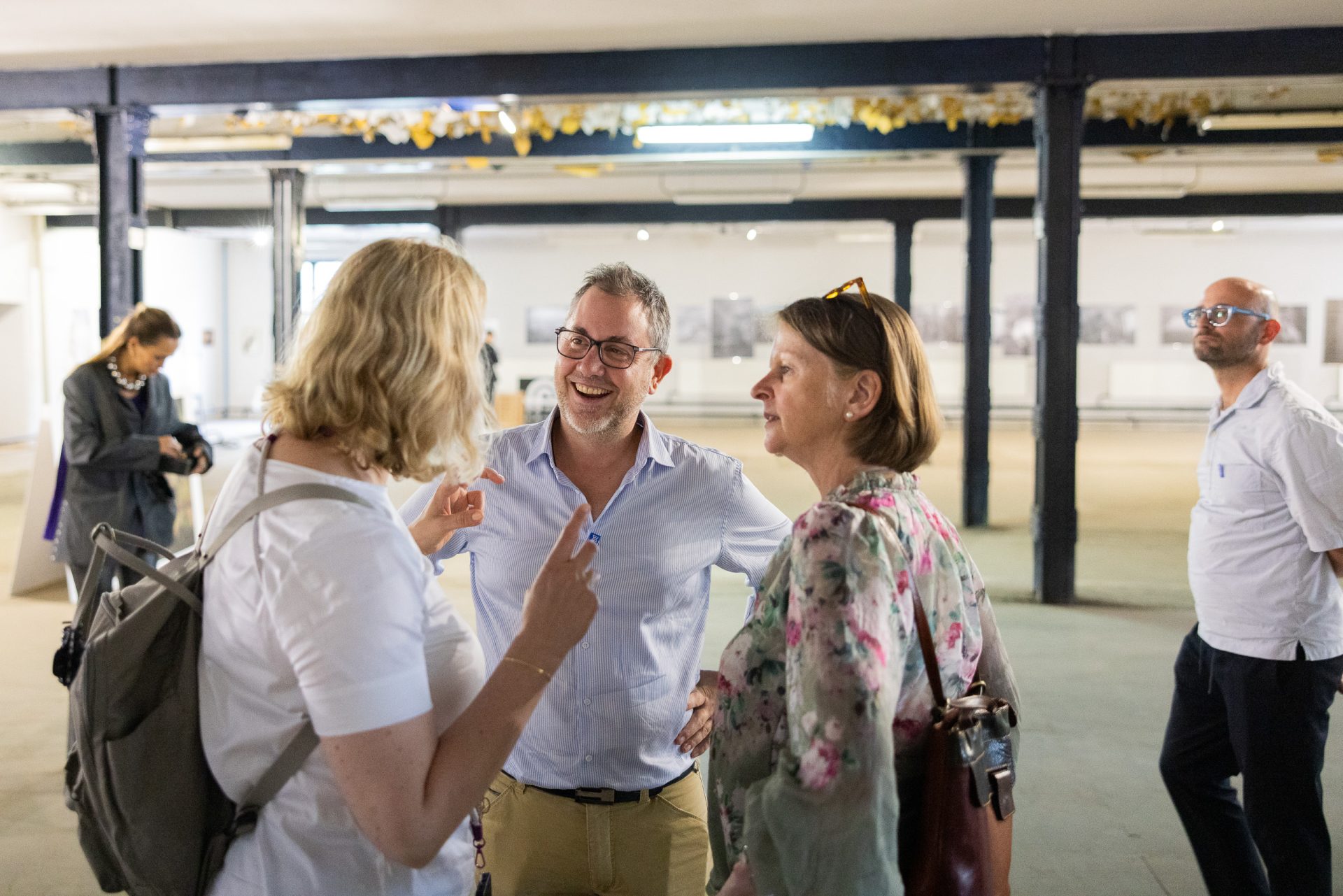
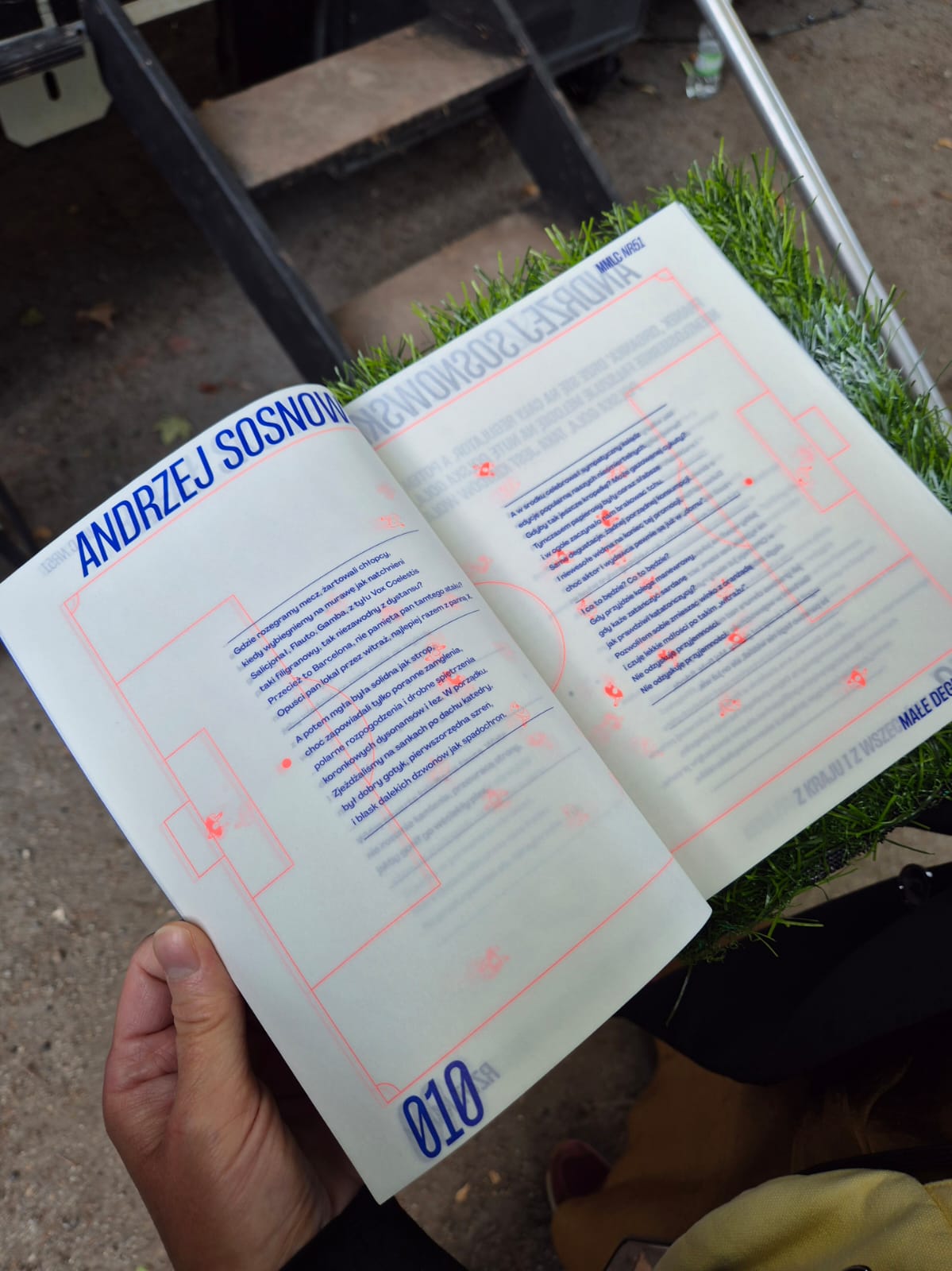
“The meetings began in the Literary Relaxation Zone in Tołpa Park in the Ołbin district, where excerpts from ten books selected by curator Karolina Sulej were read. The theme of this year’s event – “The Impulse of Notation” – reminded us of the power of handwritten notes. During the Night we had the opportunity for many inspiring conversations: with Dominika Kawalerowicz, Director of the Wrocław Institute of Culture, and Romana Pomianowska, Deputy Director, with whom we discussed the program and possibilities for literary cooperation.

In the Book Truck – the Mobile Bookstore of Tajne Komplety – we met with Grzegorz Czekański from the Tymoteusz Karpowicz Foundation, learning about the foundation’s fascinating initiatives. With Katarzyna Janusik, Deputy Director of the Wrocław House of Literature, we talked about the role of literature in urban space, while a particularly valuable meeting took place with Anna Janus, Director of the Wrocław Public Library, which gave us the chance to better understand the functioning of one of the largest libraries in Poland.

Taking part in the European Literature Night 2025 was for us not only an inspiration, but also an opportunity to build valuable connections. Once again, Wrocław has proven that literature has a permanent place here, and we are returning to Lublin with our heads full of ideas.”

Dorota Olejniczek-Klementewicz, Katarzyna Poleszak

Employees of the Hieronim Łopaciński Municipal Public Library in Lublin, who took part in this year’s edition of the European Literature Night in Wrocław.
Creative District Incubator

By News

The project aims to develop the competences of representatives of the creative industries in the Lublin region through a series of workshops and seminars. It has been prepared by an international group of experts, taking into account research and identified needs. The activities will take place in the newly established Creative District, with their culmination in an international conference combined with a creative fair. A lasting outcome of the project will be an online platform dedicated to knowledge exchange and networking.

The conference, scheduled for October 4–5, 2025, will be a two-day event focusing on creative districts in Poland and across Europe. It will bring together representatives of past, present, and future European Capitals of Culture, alongside strong voices from Poland. The event will be an opportunity to present the potential of creative districts as hubs of innovation and culture. Participants will learn about best practices, engage in discussions and workshops, and explore how these spaces foster the growth of creative industries and diverse artistic activity.

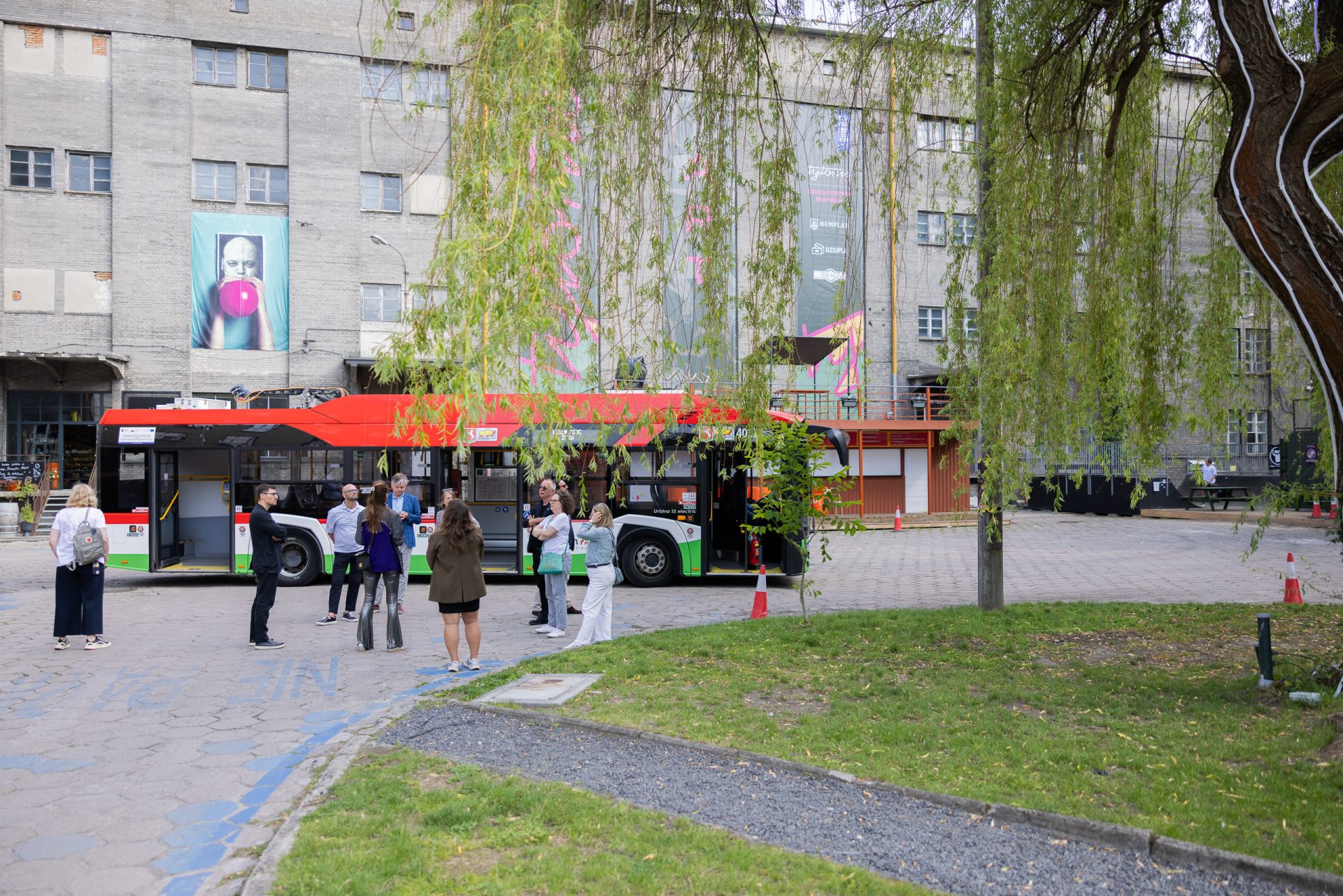
The Creative Fair, taking place on October 4–5, 2025, will be the highlight of the project, hosted in the industrial setting of the former Lublin Tobacco Factory  (now Tytonie Art Fundation) . It will serve as a meeting point for artists, designers, entrepreneurs, and representatives of the creative industries. Exhibitors will present their products and services, while visitors will have the chance to establish contacts and be inspired by innovative ideas.

Workshops and seminars, organized in September and October 2025, will form a core element of the Lublin Creative District Incubator. They will give participants the opportunity to acquire specialist knowledge and skills in various fields of the creative industries, while seminars will serve as a broader platform for sharing knowledge and experiences. The program includes lectures and discussion panels on the formation of districts, their directions of development, potential, and culture-creating role in cities.

The full program will be announced soon.

Green Network – Błonia Park by Lublin Castle

By News

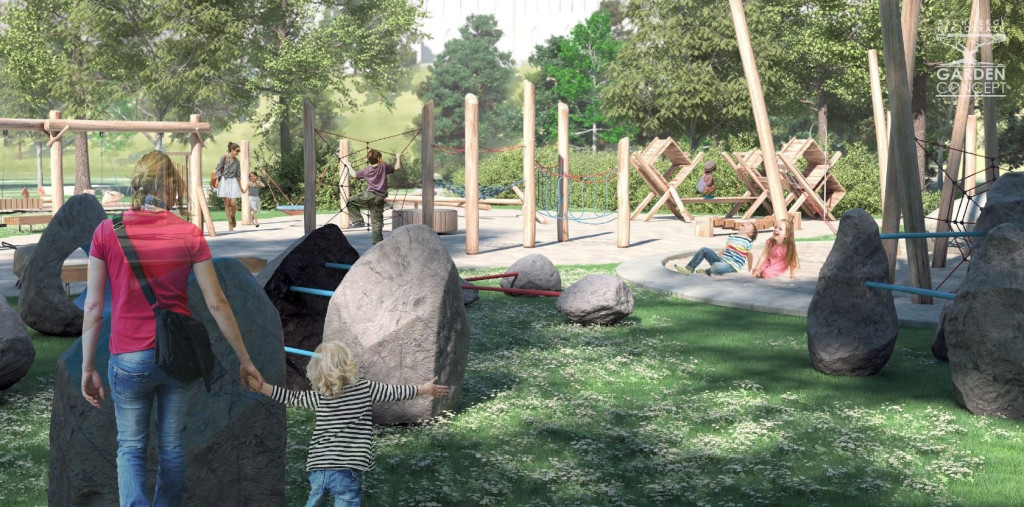
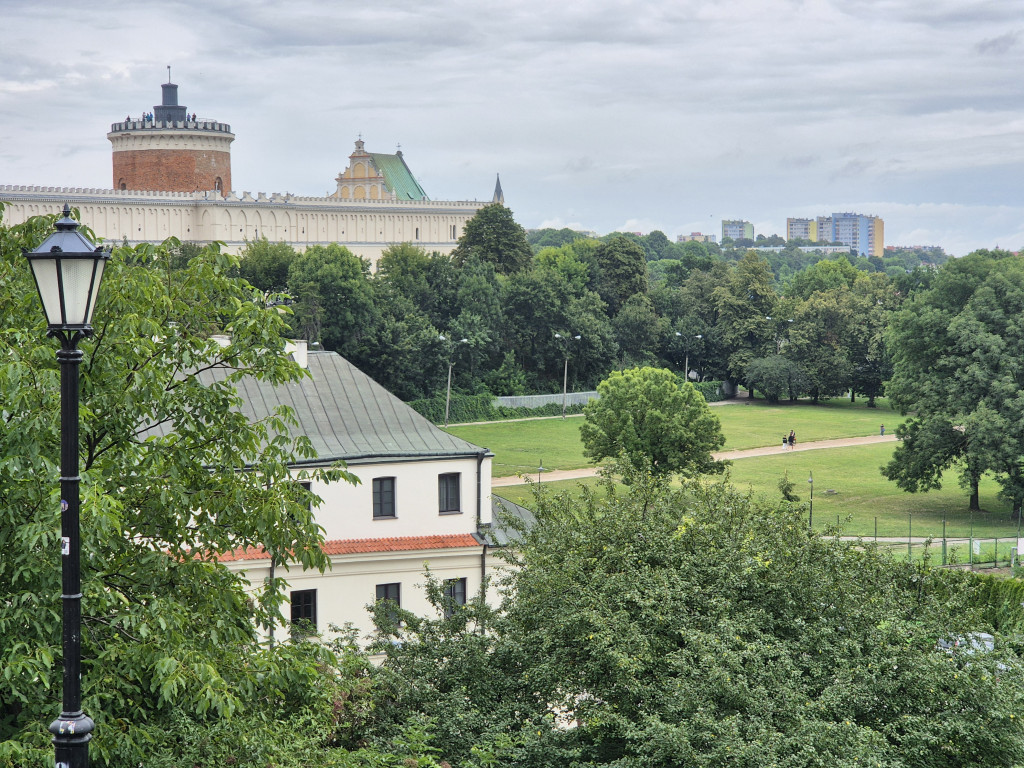
The City of Lublin has announced a tender for the comprehensive revitalization of Błonia Park by Lublin Castle – a unique space in Lublin with significant historical and landscape value. The project, co-financed with European Union funds, aims to transform the park into a green area that promotes social integration, the organization of cultural events, and the development of tourism. The park is expected to be completed in the second half of 2027 and will be part of the European Capital of Culture 2029 program.


The revitalization of Błonia Park has been planned with respect for the landscape and existing natural values – no new buildings will be introduced, and existing trees will be preserved. The work is being carried out in a way that maintains the unique character of the area, which serves as a natural backdrop for Lublin Castle and the Old Town.

The revitalized Błonia Park by Lublin Castle will host numerous social and cultural events, forming part of the European Capital of Culture 2029 program. Initiatives to be held in this space include the Błonia Culture Zone, Carnaval Sztukmistrzów, Re:tradycja – Jagiellonian Fair, and the Eastern Culture Festival – Different Sounds, all operated by the Cultural Workshops.

Summer Without Pressure – LABA Kicks Off at the Słowacki Estate

By News

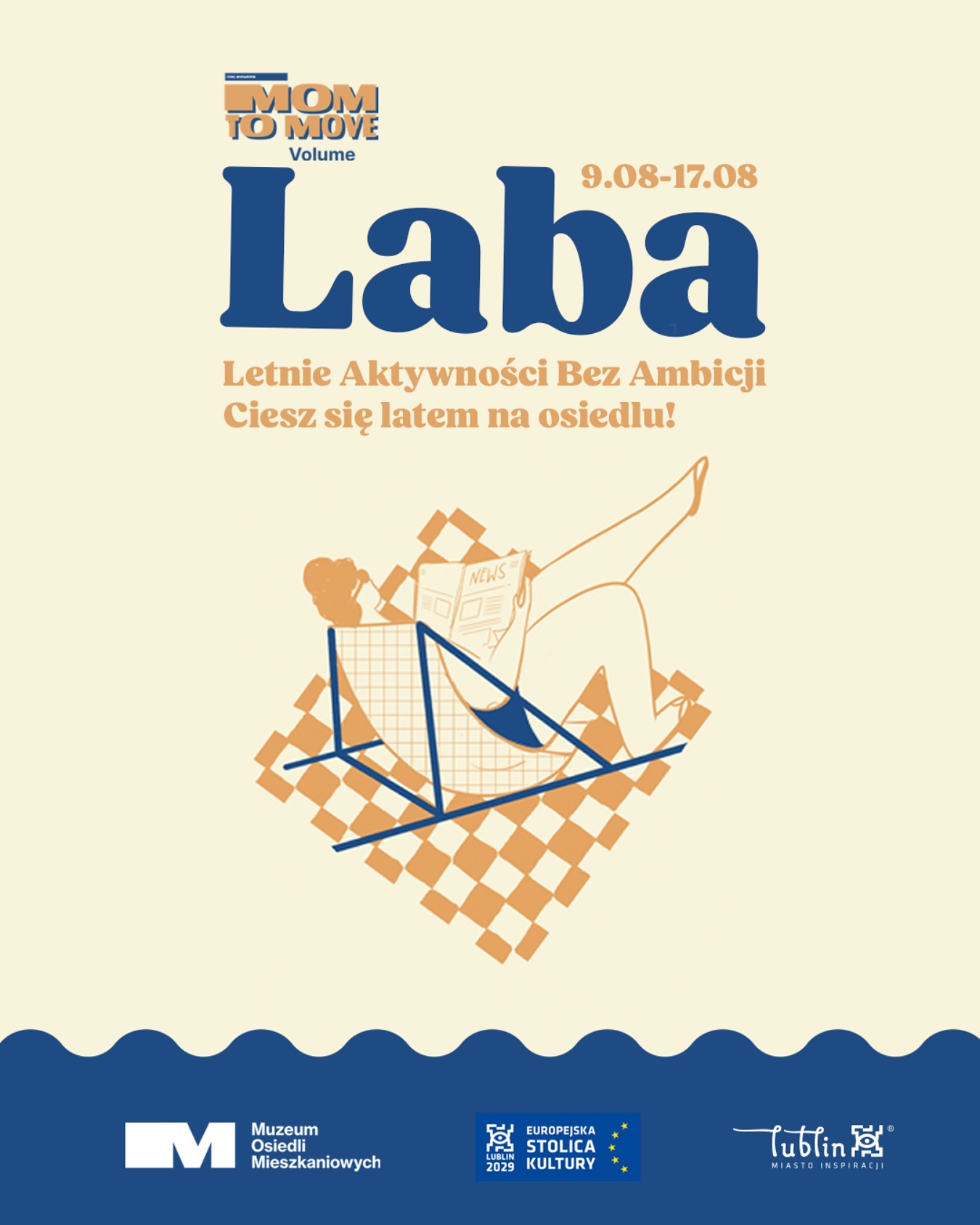
LABA – Summer Activities Without Ambition

No deadlines, no rankings, no pressure. This August, in the Słowacki housing estate in Lublin, LABA kicks off – Letnie Aktywności Bez Ambicji (Summer Activities Without Ambition) – a week-long series of community and cultural events celebrating lightheartedness, neighborhood togetherness, and a holiday break from productivity. Although LABA grows out of the rhythm of a single neighborhood, it welcomes everyone who feels like spending a summer without stress – no matter their address.
A series of community-oriented activities, “Thinking with Architecture”, held in Lublin’s districts, in the shared spaces between apartment blocks and community gardens.
LABA

The Museum of Housing Estates (MOM) invites you to join an event that deliberately avoids being big, spectacular, or groundbreaking. LABA is a proposal to return to simple forms of leisure, reminiscent of childhood, playing cards under the block, or quiet conversations over breakfast on the grass. LABA doesn’t aspire to fill the calendar with attractions. Instead, it leaves space to breathe – offering a place to simply be together. Aimless, yet meaningful.

Do it already!

The program opens on Saturday, August 9, with “Do it already!” – an afternoon for those who, for weeks (or even months), haven’t been able to find the motivation to send that overdue email, caption their photos, or finally finish that book. The organizers propose a collective session of catching up and supporting each other in overcoming procrastination.

Neighborhood breakfast on the grass

On Sunday, August 10, a neighborhood breakfast will take place on the lawn next to the Juliusz Słowacki monument – with blankets, homemade food, and plenty of space for conversation. At the same time, a neighbor’s market will be held at the nearby Wileńska square, where residents can exchange items from their basements, wardrobes, and cupboards. Although not intended as professional trade, symbolic sales are possible.

Card games, Film Club, and a marathon of ads

The following days will bring more activities, including a card game night (Monday, August 11), a Film Discussion Club based on old TV programs and a marathon of 1990s commercials (Tuesday, August 12), a “countries and cities” tournament and lazy deckchair reading with magazines (Saturday, August 16), as well as coffee brewing without complexes (Sunday, August 17) – where everyone is invited to bring their favorite beans and brewing method, sharing taste and experience at a common table.

A summer without pressure

“LABA is our protest against the compulsion for perfection and productivity. It’s an alternative to Pinterest-style holidays. We want to create events that you can join not because you have to, or because you should, but simply because you want to – without pressure,” says Paulina Mazurek from the [SEE HOW] Collective, co-creator of the program’s concept.

Magicians from Lublin at Castle Square in Warsaw

By News

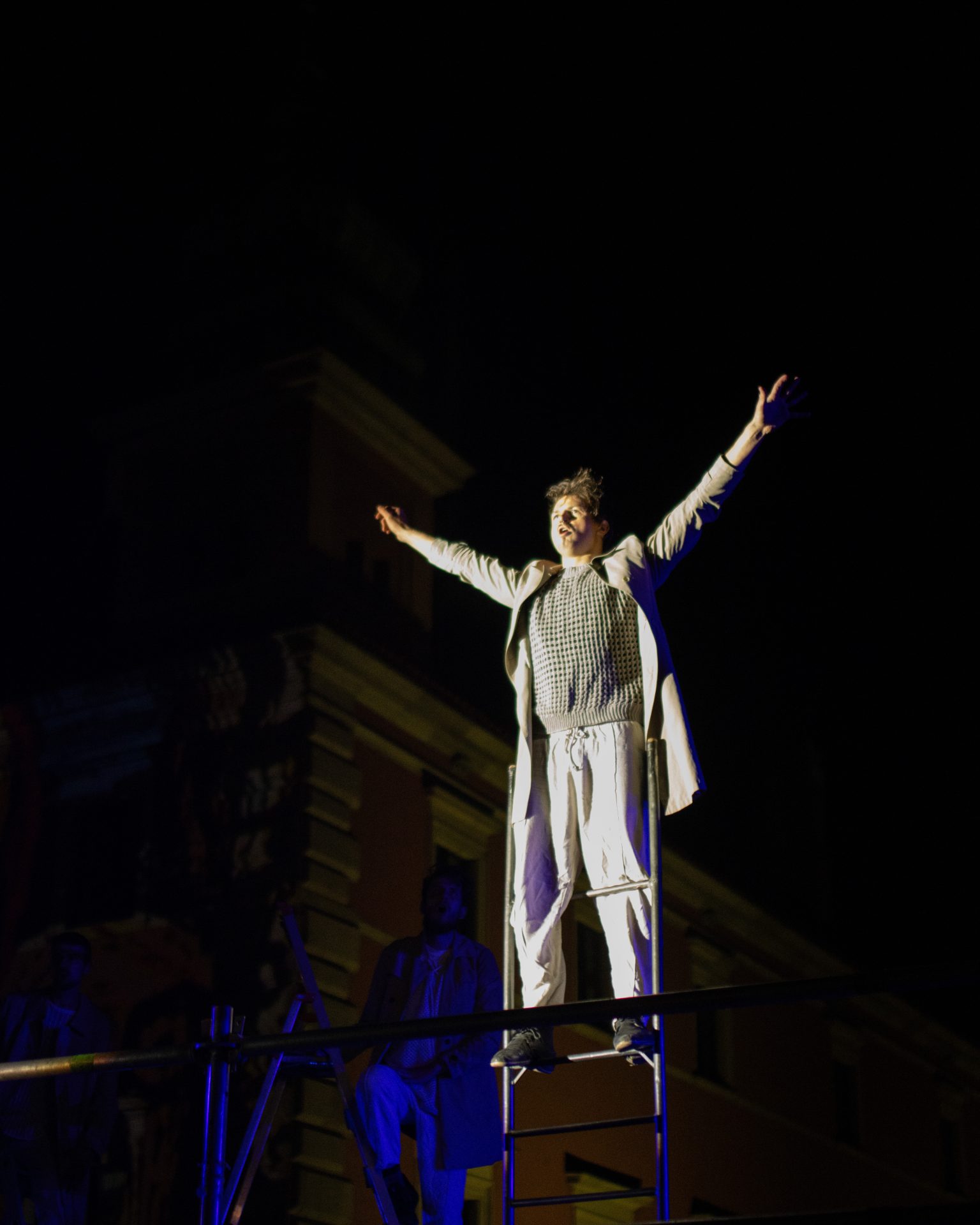
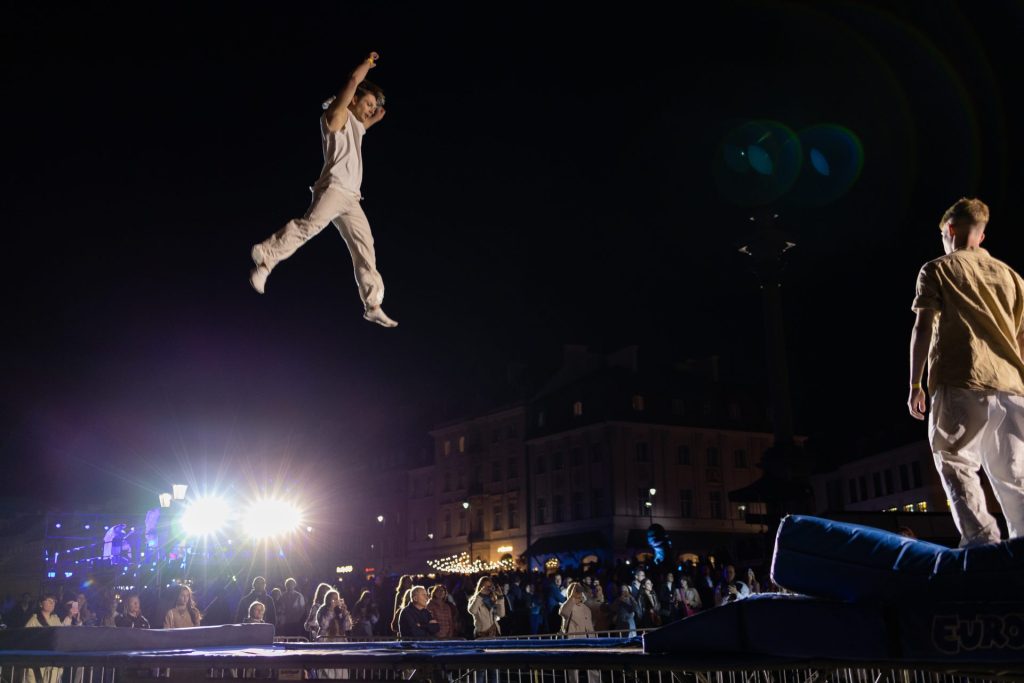
On August 24, 2025, Ukraine’s Independence Day, a unique open-air performance took place at Castle Square in Warsaw, attracting more than 30,000 spectators.

It was a large-scale, multimedia, Polish-Ukrainian performance combining theatre, music, circus, and visual arts. The project was created within the framework of Lublin 2029 RE:Union and stood as an act of protest against Russian aggression, the indifference of some Western leaders, and the growing influence of propaganda.

The co-creators of the event included Vladislav Troitski (artistic curator), Dakh Daughters, Anna Basova, Maksym Demskyi, ГОГОЛЬFEST, as well as the Magicians from Lublin Foundation with the team of Super Magicians, who brought energy, courage, and mastery of contemporary circus arts to the project.
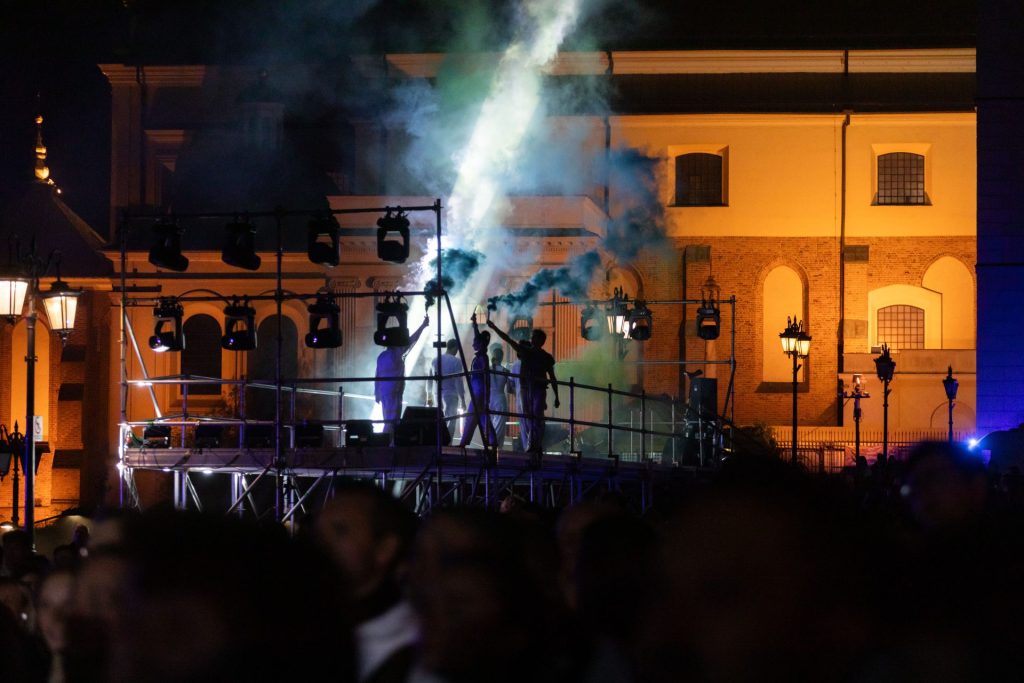
This event was not only an artistic experiment but, above all, a gesture of solidarity and support – an attempt to offer courage, hope, and comfort in the difficult time of war.

Prologue: Magicians from Lublin – The First Journey of the Magicians
In partnership with GogolFest
Warsaw, August 2025

Social Space of Cultural Resilience 2025

By News

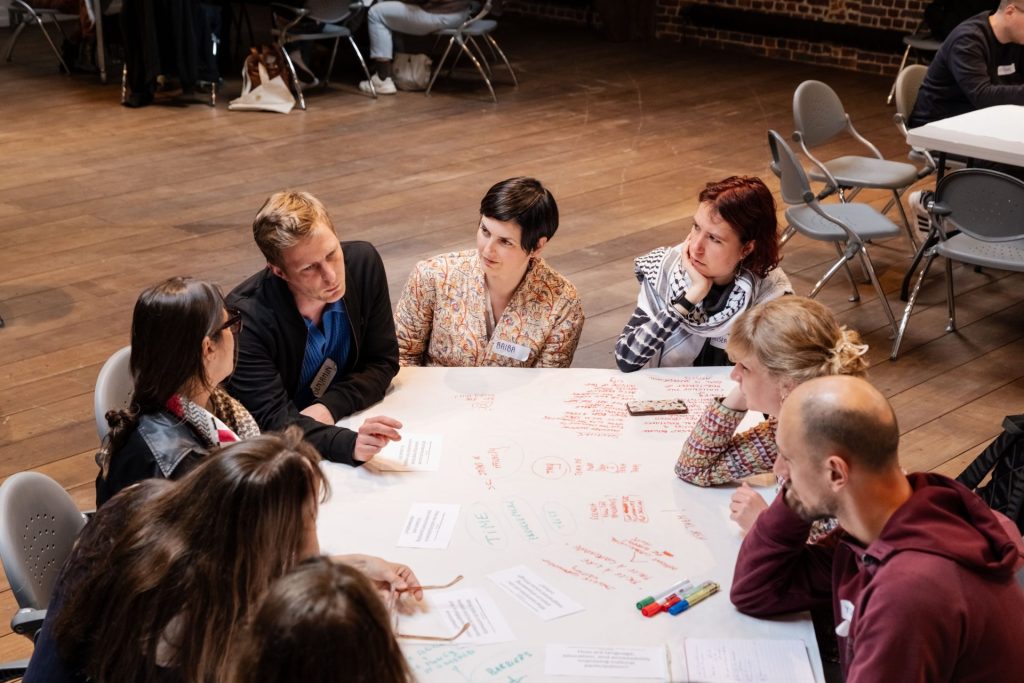
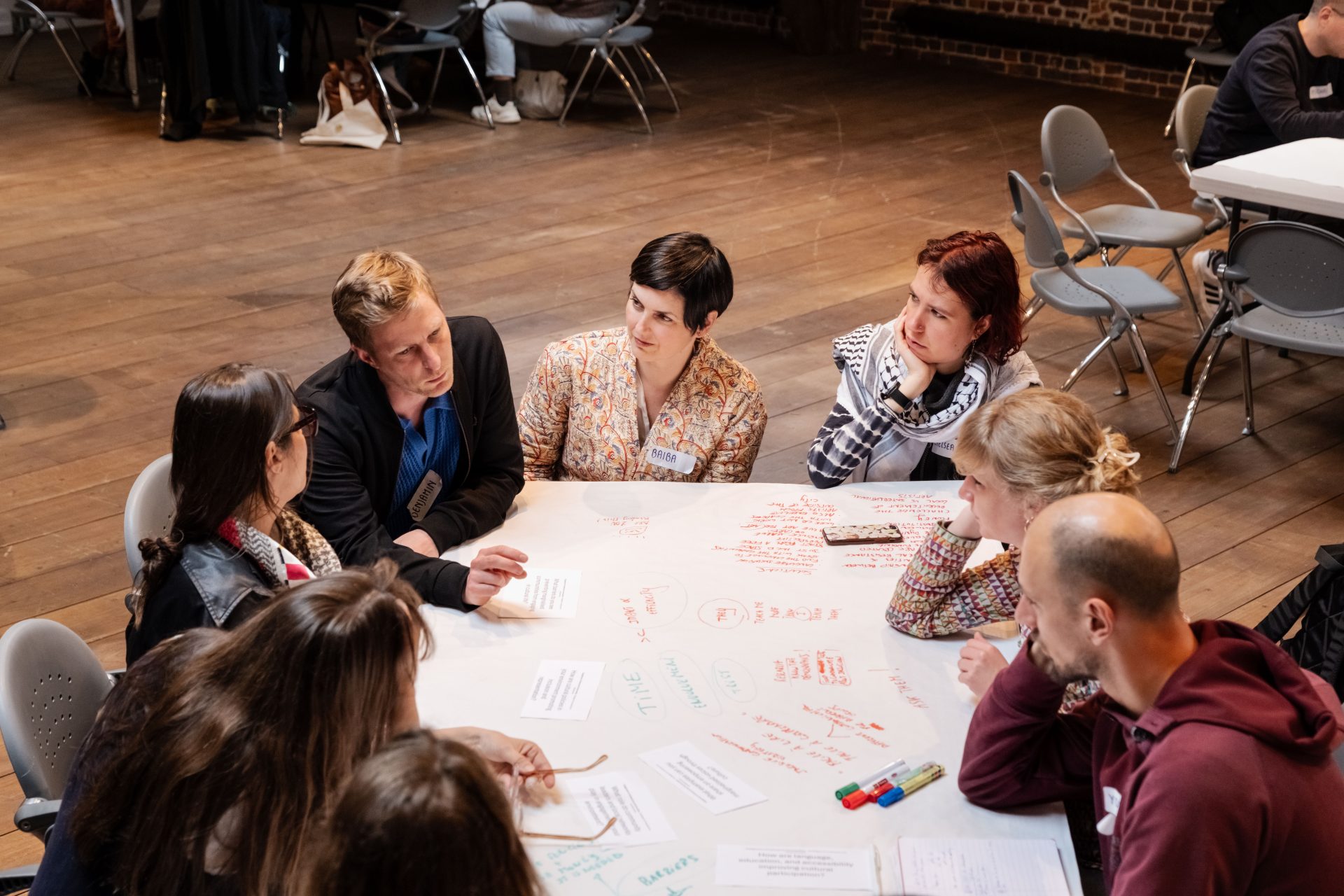
The Social Space of Cultural Resilience is both a process and a set of practices in which art and culture become tools for strengthening social resilience. Built on an ethics of care, the project is oriented towards supporting relationships, counteracting burnout, systemic actions in the area of safe spaces, and the development of collective practices – all with the perspective of building a true community. The integration of art, curatorial practice, and interdisciplinary academic research supports the creation of a flexible model of the Social Space.

In 2025, we are developing this process through consultations and substantive meetings with partners and experts. We are working in partnership with the Cluj Cultural Centre (Cluj-Napoca, Romania) within the framework of the Re:Form. Experimental programme for rethinking work. We are also partners of Namur 2030 (Belgium) in the Fragilities project. We are preparing the first networking seminar with the participation of Polish artists and researchers, including Katarzyna Kania and Marta Wołowiec. In 2025, we held several co-creation sessions with experts, including Elvira Rilova (curator, ECoC consultant for Las Palmas 2031), Rarița Zbranca (Programme Director of the Cluj Cultural Centre, researcher at Babeș-Bolyai University in Cluj, participant of the European Research and Innovation Day 2025), and Katarzyna Zielińska (Co-Director of zusa gGmbH, focusing on supporting mental health). Representatives of the Lublin 2029 team participated in international seminars and congresses such as the Resistant and Resilient Congress. We are in ongoing consultations with European Capitals of Culture and candidate cities (including Oulu, Bourges, Budějovice, Tartu, Leuven, Lviv, Molenbeek, Wrocław, Skopje, Leeuwarden) on issues of sustainable organisational structures, combating inequalities in cultural work, and democratising the ECoC process. We conduct in-depth conversations about how cultural teams and organisations can build resilience, agency, and support networks.


The project grows from the belief that lasting social resilience is born from practices of cooperation and care. That is why we are creating a space for the exchange of experiences between artists, researchers, and activists, while also amplifying the voice of cultural workers through dialogue with watchdog organisations concerned with labour rights and independent initiatives to improve working conditions in culture. The Social Space of Cultural Resilience is an open laboratory – a process based on relationships and experimentation with new models of work, where art becomes a field for testing community practices and, at the same time, a tool for systemic change.

The Urban Apitherapy Center

By News

The Urban Apitherapy Center is located within the monastery complex of St. Paul on Bernardyńska Street in Lublin. The project is being carried out by Marcin Sudziński, Barbara Wybacz, and the Archdiocese of Lublin.

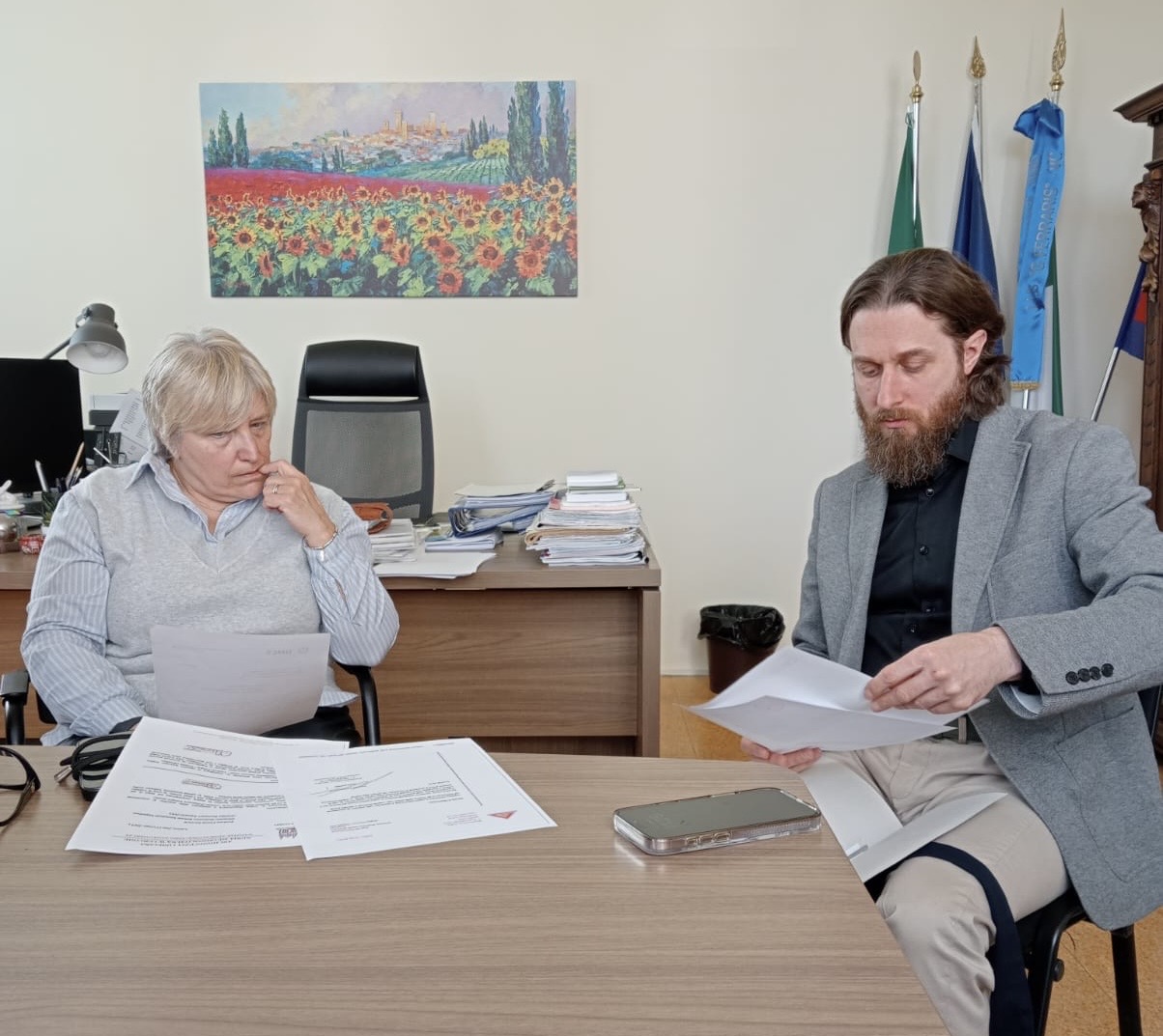
As part of international cooperation, partnership agreements were signed between the Archdiocese of Lublin and the Italian high school Istituto di Istruzione Superiore “Galileo Ferraris” (P.zza della Vittoria 3, 13100 Vercelli, Piedmont). The partnership aims to foster Polish-Italian youth exchange in the fields of culture and education. Two meetings have already taken place – one in Italy and another online.

An educational and participatory initiative, “Project: PARK” (September–December 2024), has been implemented. The project involved working with communities of young people, seniors, adults, and foreigners, focusing on social participation, co-creation, and soft activities related to the Park and the Urban Apitherapy Center.

Since March 2025, a new stage of participatory community activities has been underway – the Artistic Community Garden. This stage engages residents directly in conceptual planning and micro-implementation activities within the Urban Apitherapy Center.

Cooperation has also been initiated with partners from Poland and abroad. An example is the exchange of experience in the field of urban beekeeping with the Wola Cultural Center in Warsaw, which included a study visit. Discussions are also ongoing regarding potential collaboration within the partnership between the cities of Vercelli (Piedmont) and Lublin.

Currently, participatory activities with the involvement of local artists are being implemented as part of the Project: PARK – Artistic Community Garden program. Well-known artists are engaged in the initiative. In the next stages, the project is planned to expand to include the European cultural community in the framework of Lublin 2029.

Theatre of Transformation

By News

Theatre of Transformation is an international project created within the framework of the ESK 2029 Lublin Re:Union program. It combines scientific research, knowledge exchange, education, theatrical practice, publishing activity, performances, and the creation of a performative archive. Together with a new generation of artists – by creating opportunities for encounters with directors, actors, performers, and teachers who had the chance to work with Jerzy Grotowski – we aim to test and update the ideas and practices of the Theatre of Transformation.

On the sixtieth anniversary of the premiere of Grotowski’s last production, Apocalypsis cum figuris, Lublin – with its unique cultural history – seems to be the right place to ask about the value and strength of this tradition (rooted in the Polish Romantic theatrical heritage, of which Grotowski was both the fulfillment and the most outstanding modern representative) and about the possibilities of continuing this tradition in the postmodern, globalized world of the 21st century.

We also wish – by invoking the broadly understood notion of Transformation – to make Lublin a place of regular meetings of philosophers, anthropologists, scholars of religion, and researchers of diverse traditions of cultural performance. Through a cycle of seminars and two major international conferences with the participation of leading global authorities, we will inquire into fundamental categories of the European cultural sphere: transformation, metamorphosis, transfiguration, metanoia.

In times of multidimensional crisis, affecting not only theatre and culture but also the entire civilizational model of community life inherited from previous generations – a model based on subjectivity and interpersonal relations – we want to ask about possible countermeasures, about remedies. Together with artistic communities and groups identifying with the tradition of the Theatre of Transformation, we want to recognize what is truly valuable and inalienable within it, what carries the potential and qualities of a remedy – and pass it on to future generations.

Lublin, 26.06.2025.
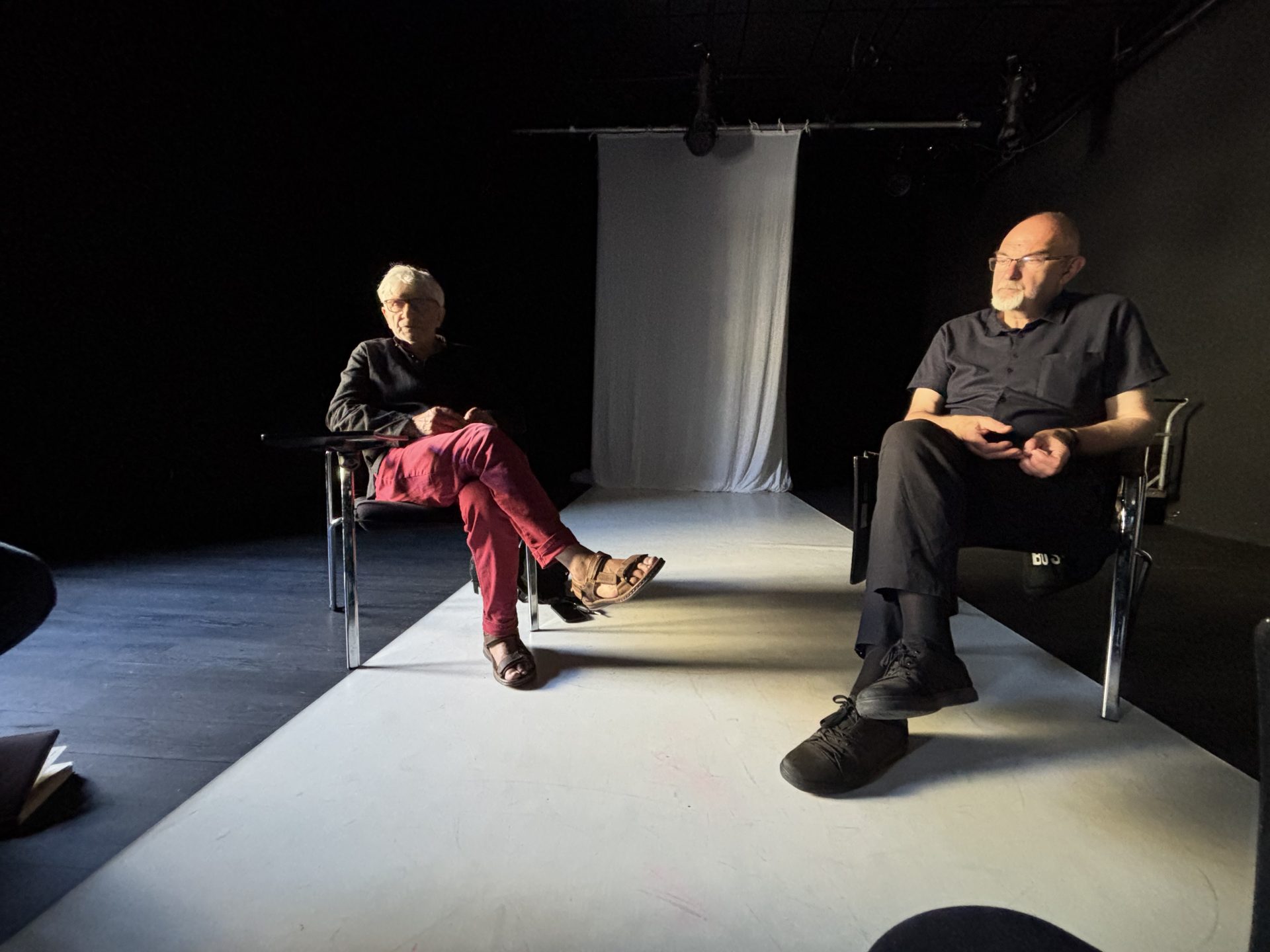
Working meeting of the Theatre of Transformation project team:
Tomasz Rodowicz (Chorea, Łódź),
Prof. Dariusz Kosiński (Jagiellonian University, Kraków),
Paweł Passini (neTTheatre, ESK Lublin 2029),
Grzegorz Kondrasiuk (Maria Curie-Skłodowska University, ESK Lublin 2029).

EUNIC vistis Lublin 2029

By News

Collaboration with national cultural institutes has, for many years, enabled us to present top-quality art in Lublin. Today, as Lublin prepares to take on the role of European Capital of Culture in 2029 and begins implementing the programme outlined in our application, these relationships are becoming even more important. The artistic and cultural programme for the year of celebration should be based as much as possible on international cooperation and carried out in a way that encourages participation and sparks interest among residents of all countries across the European community.


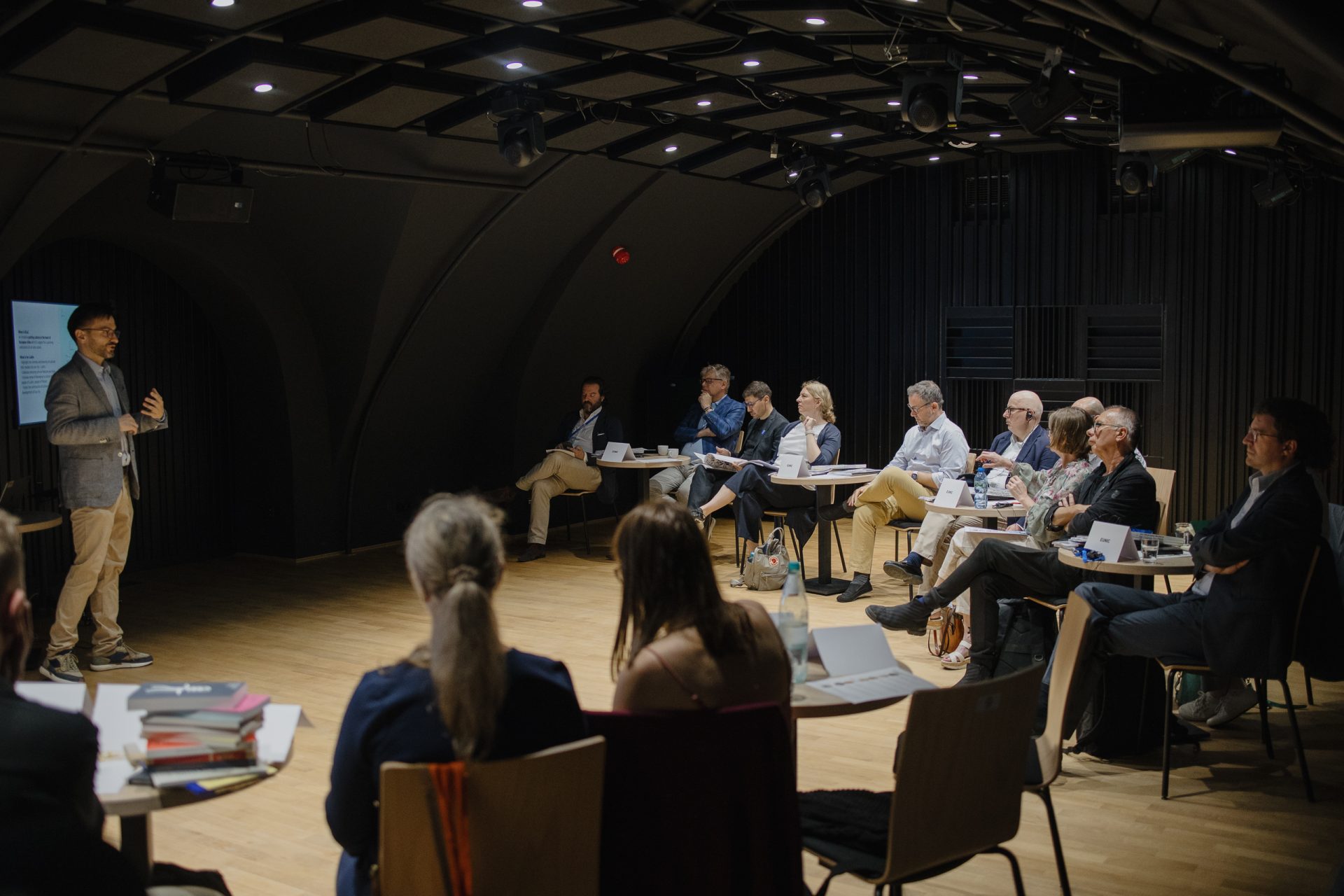
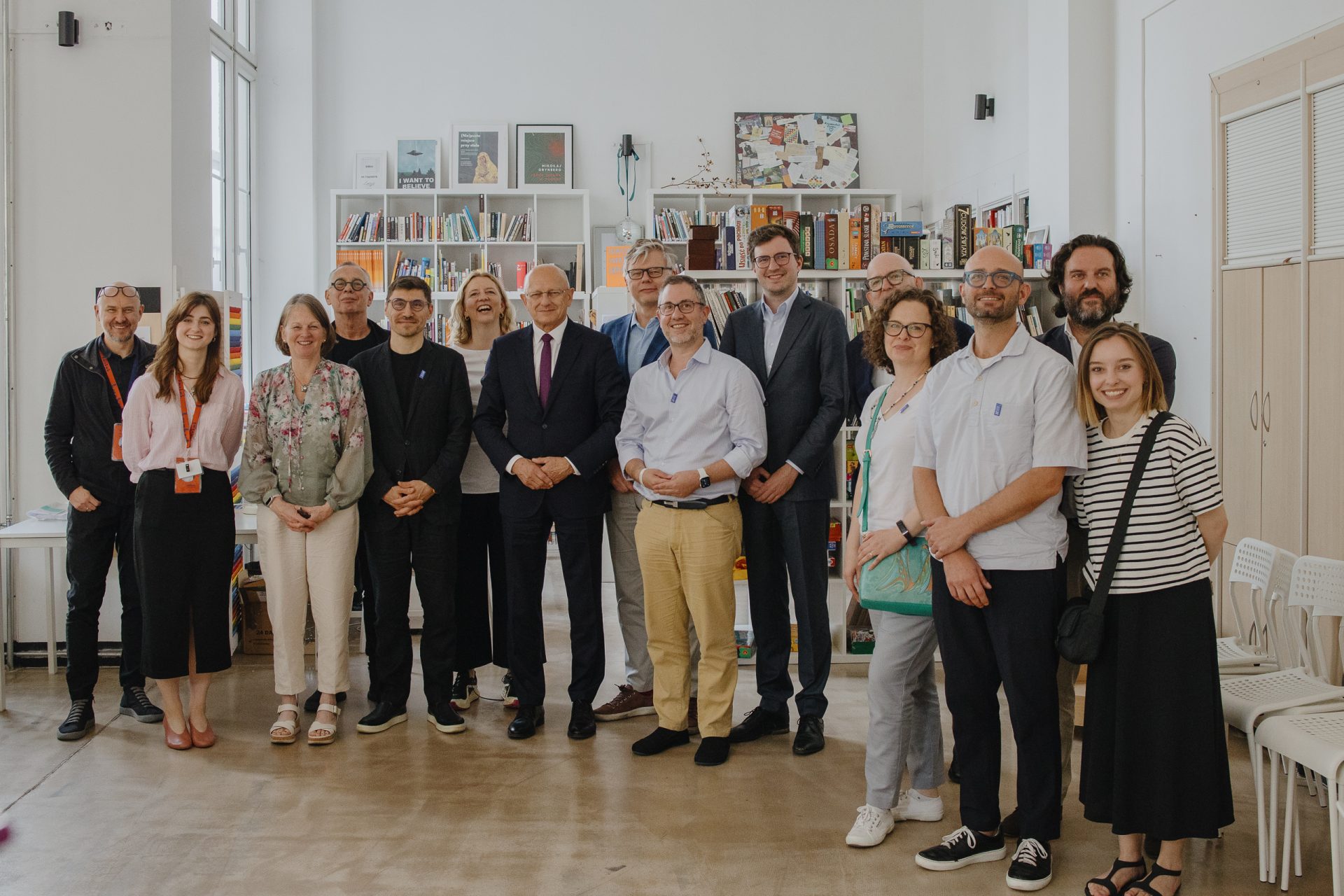
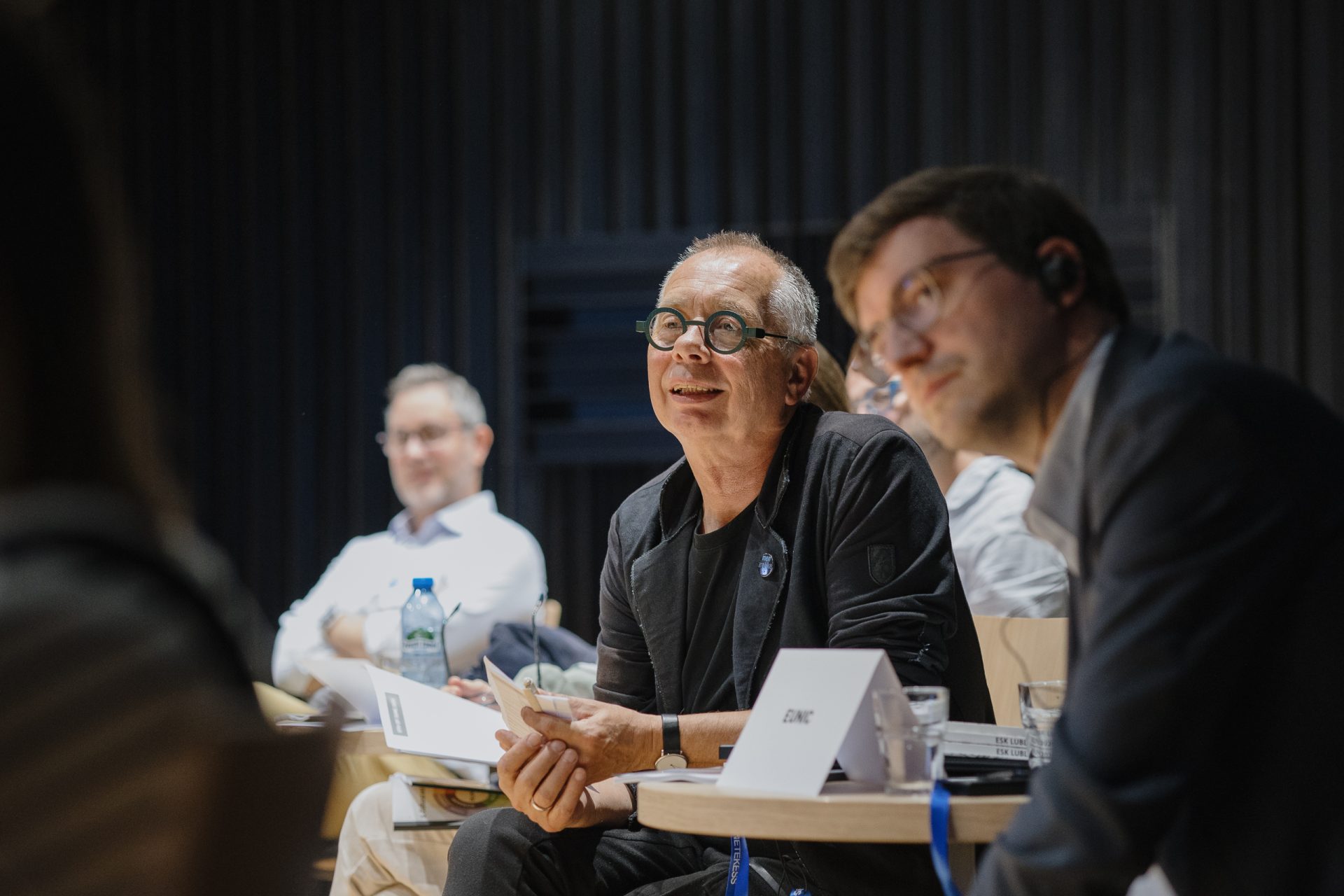
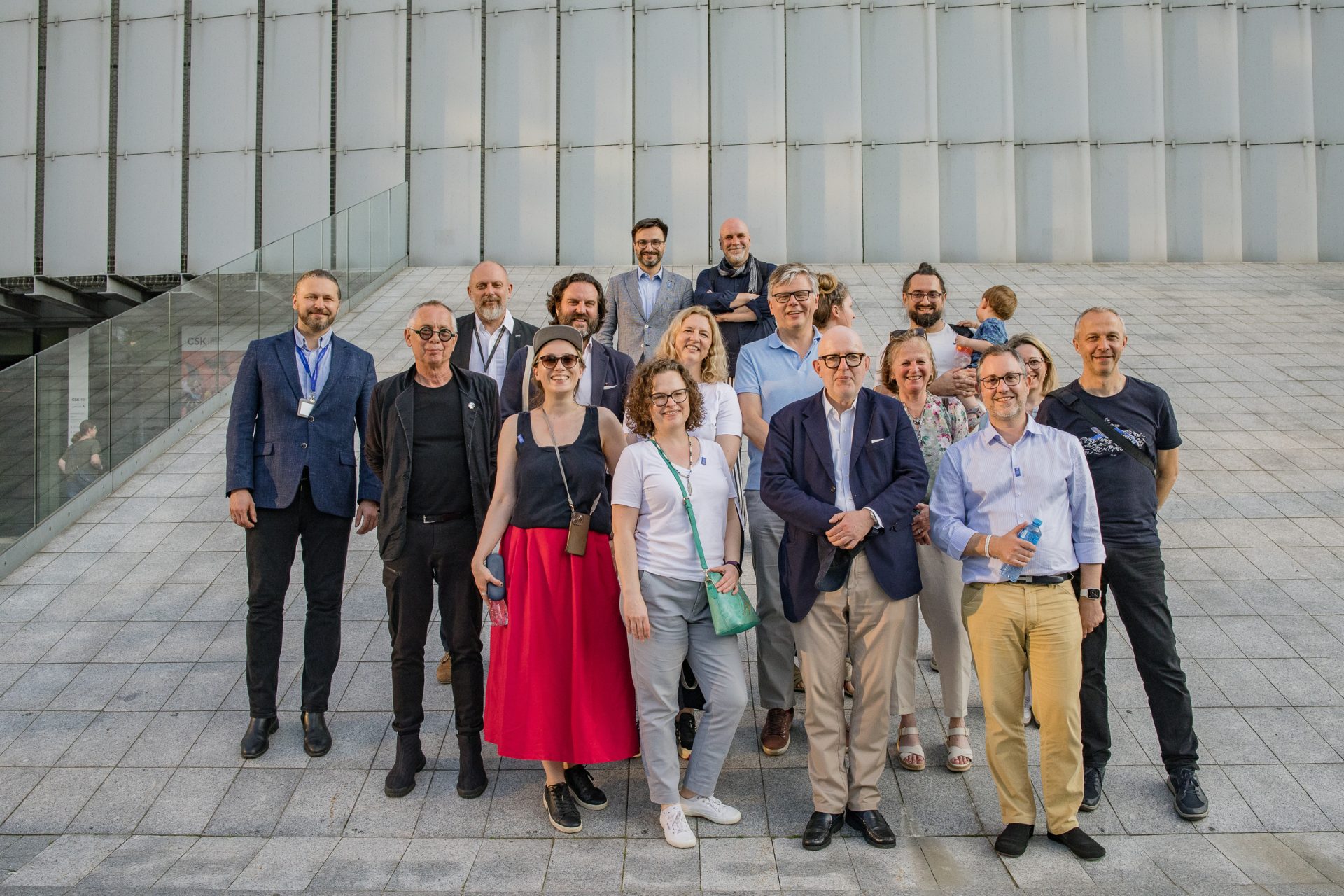
That is why we invited members of the Warsaw EUNIC Cluster to Lublin – part of the international network bringing together national cultural institutes from EU member states responsible for promoting their countries’ culture and arts abroad. EUNIC’s mission is to support intercultural dialogue and promote the role of culture in politics and international relations.

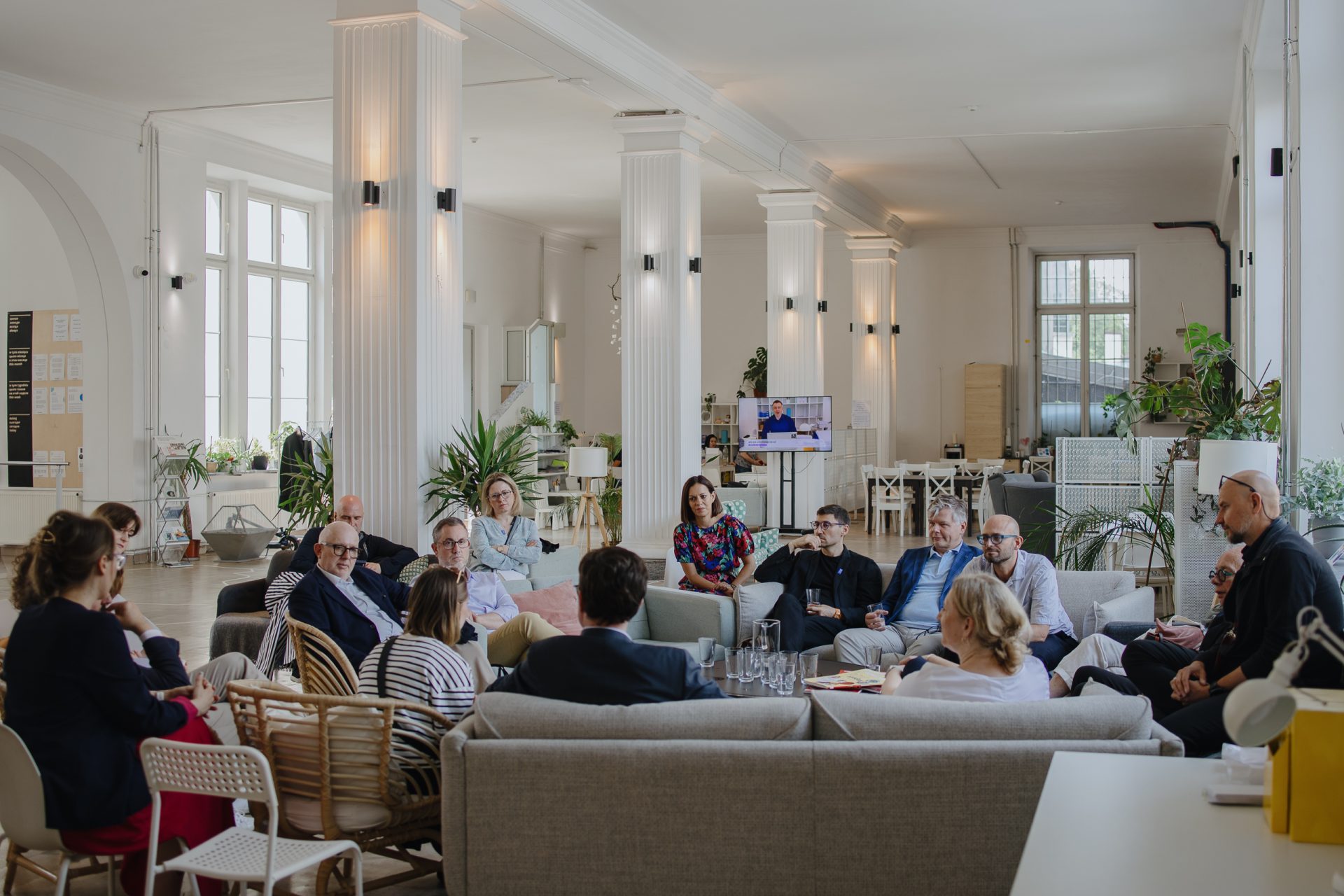
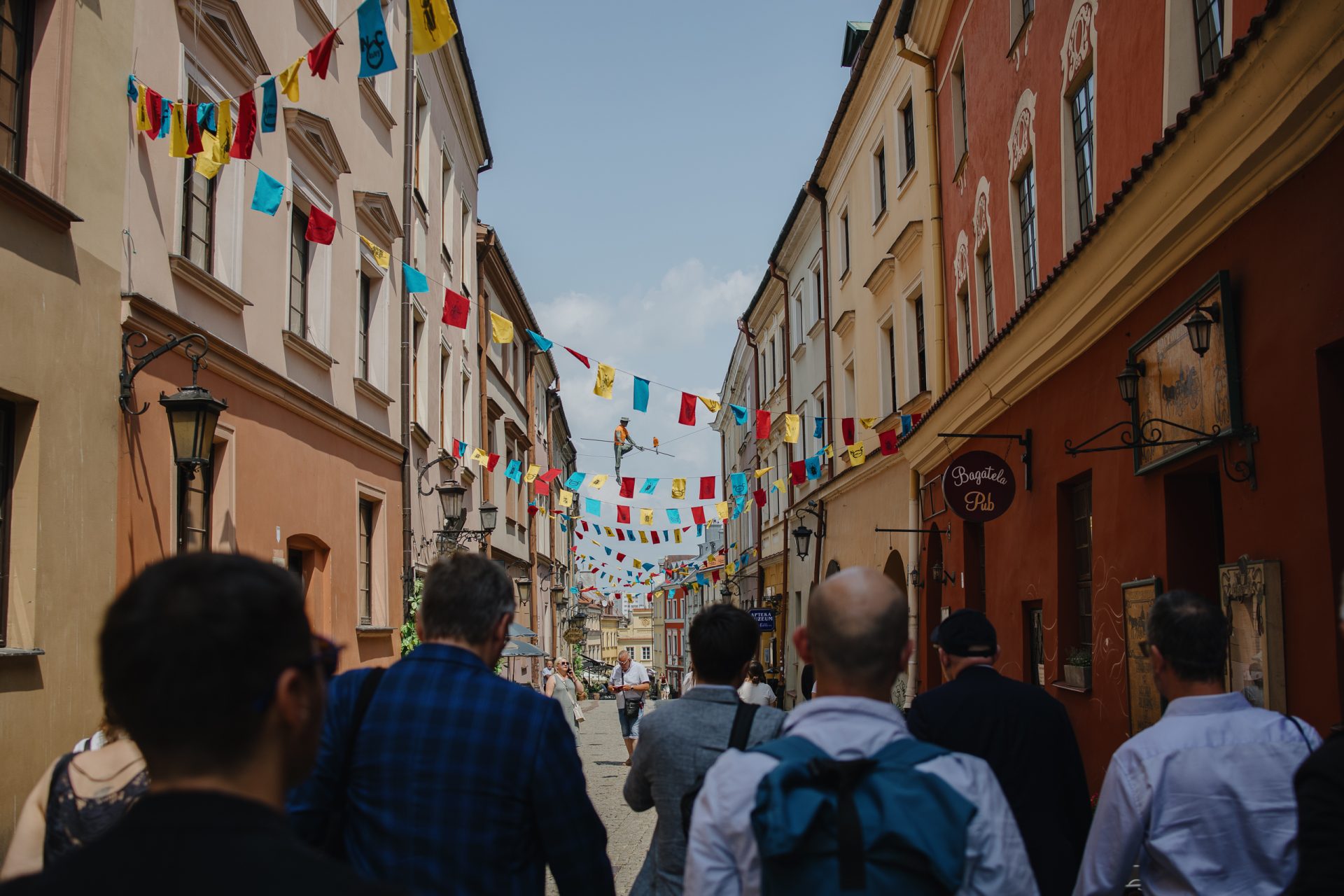
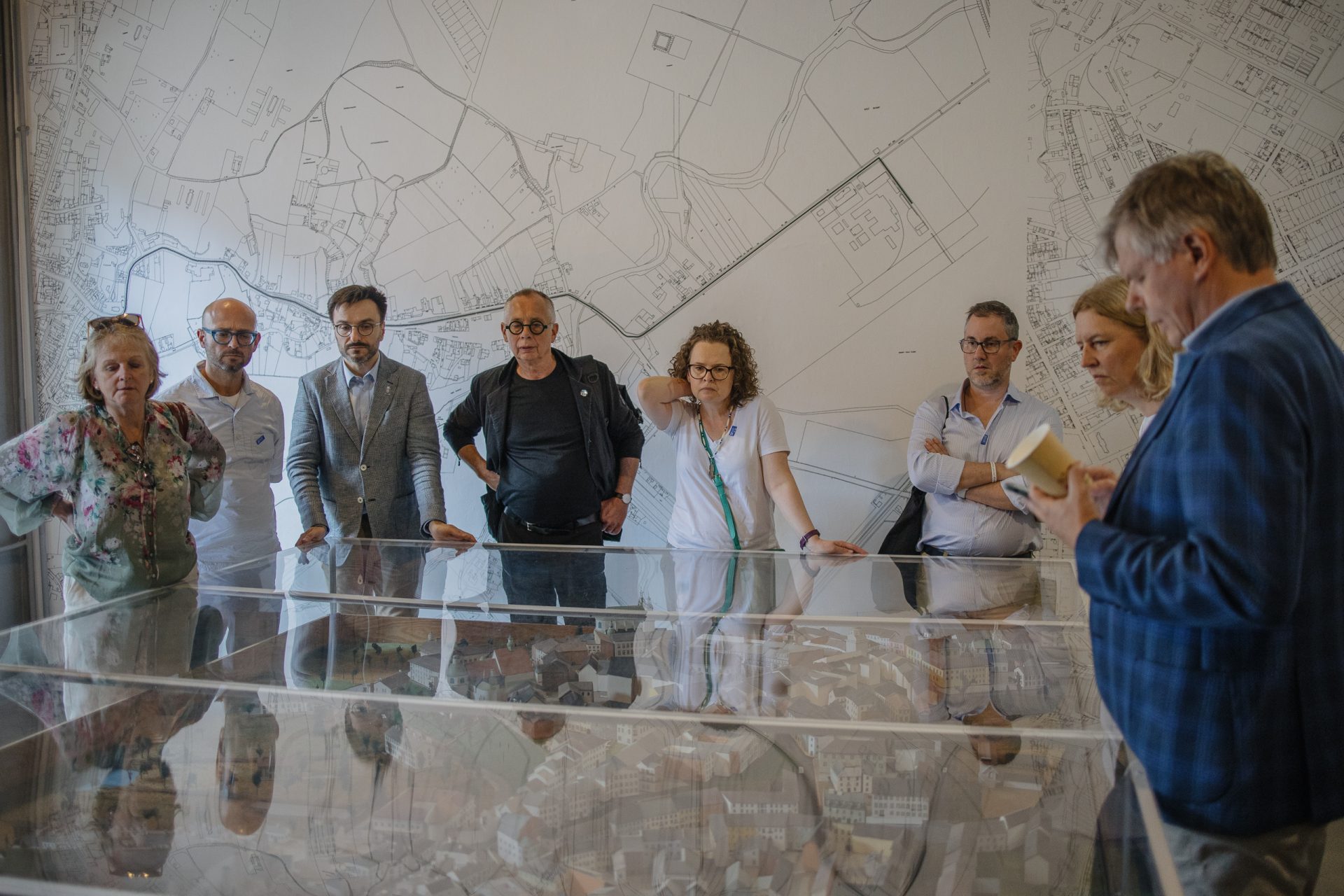
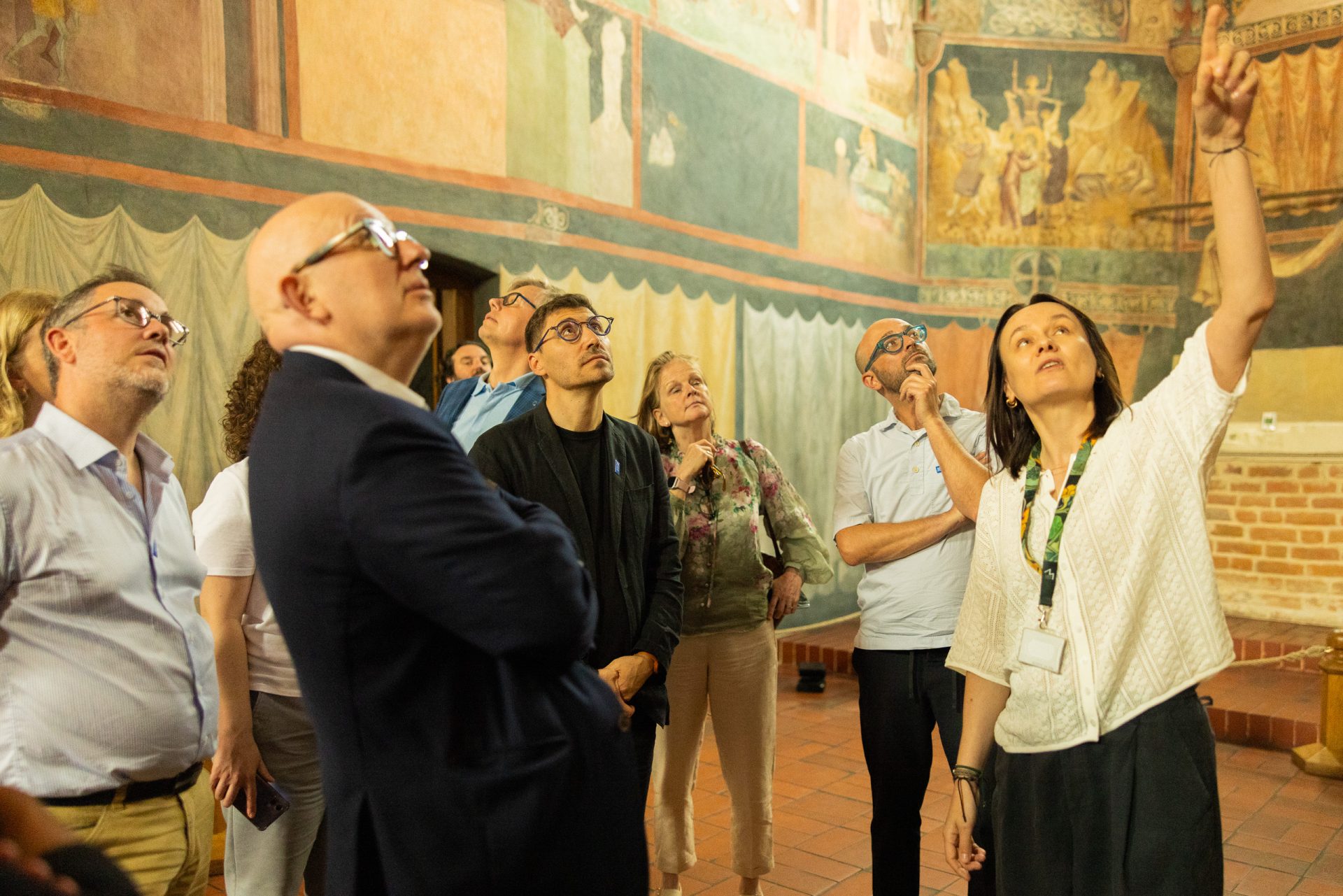
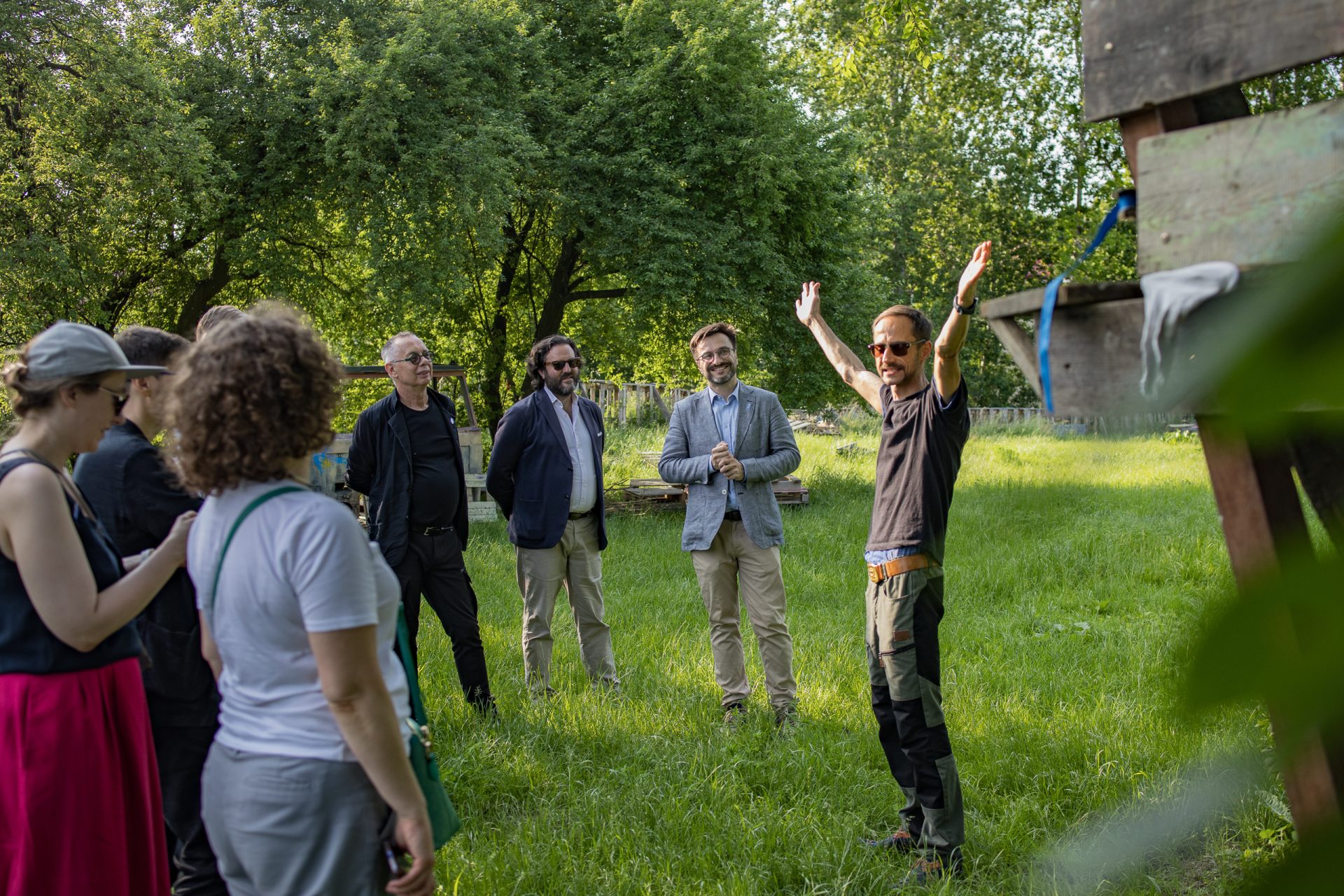
We took our guests on a journey through the city of RE:UNION, visiting key sites central to our bid. We were at the Centre for Culture in Lublin, where they had the chance to meet representatives of Lublin’s cultural community. We visited Baobab, the “Grodzka Gate – NN Theatre” Centre, the National Museum in Lublin, Tytonie.art, and the Wild Children’s Reserve. We ended the day at the Centre for the Meeting of Cultures, taking in the view from one of the city’s most beautiful viewpoints.

It is through encounters like these that a true European cultural community is born – friendly, warm, open, built on mutual trust, curiosity, and diversity. Each visit allows us to rediscover the remarkable potential of the City of Inspiration. The visit was organised in cooperation with the City of Lublin and LOT Metropolia Lublin.

Belgium on its way to the ECoC 2030

By News

Three cities, three cultural visions
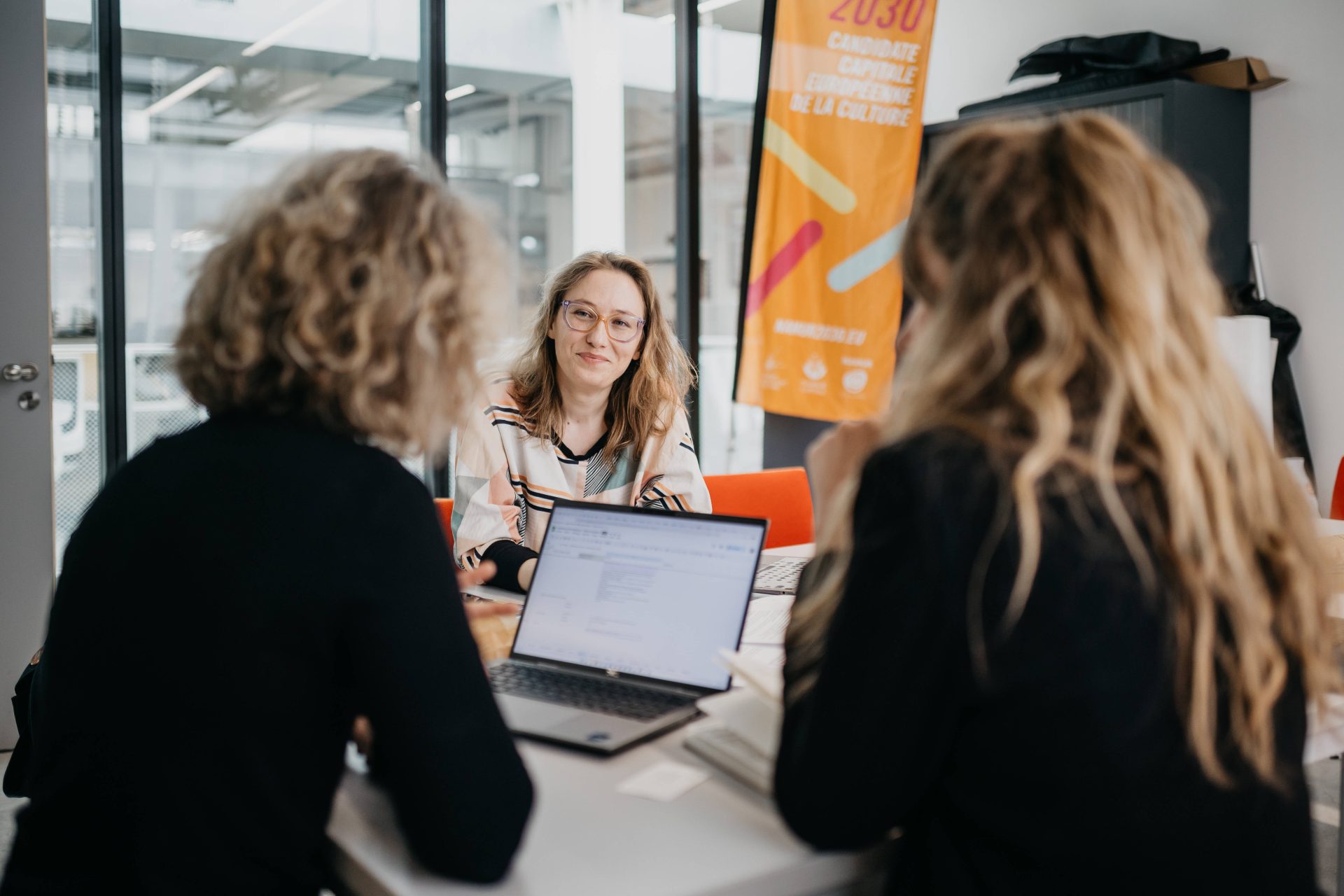
The European Capital of Culture, most of all, is the exchange of knowledge and good-quality practice, which is possible thanks to meetings and exploring different places. During our preparations for Lublin 2029, our delegation went on a study trip to Belgium. We visited three incredibly diverse cities which apply for the title of the European Capital of Culture 2030: Namur, Leuven and Molenbeek (municipality of Brussels). Each place presents a unique identity and approach towards culture – on a geographic, social, and thematic level.

Namur – a confluence of the rivers and memory of territory
The capital of the Walloon Region bases its candidacy on a metaphor of “La Confluence” – the confluence of the Sambre and Meuse rivers. During a working meeting we discussed common threads relating to nature: the memory of rivers and green networks. Namur suggests a story about joint responsibility for the future.

Leuven – the city of youth and agency
Leuven, the academic capital of Flanders, focuses on the young people’s potential. During the meetings, we were discussing initiatives which empower the students’ agency and their active role in building the participatory culture. This is an application with a clear reference to the education sector and civic participation.

Molenbeek – solidarity and unity in diversity
In a multicultural municipality of Brussels, Molenbeek, we participated in meetings with experts, advisors, and creators from Kongo, Morocco, the Netherlands, Great Britain, Palestine, and other countries. The slogan of this application is “Sadaka” –the word which means solidarity, honesty, and empathy. Molenbeek’s candidacy is a strong voice in integration and community building over divisions, in the spirit of European values. Each candidacy presents a different cultural approach to the European Capital of Culture idea; however, what connects them is an emphasis put on interpersonal relationships and an attempt to build and reinforce society in times of distress. No later than the 25th of September 2025 we are going to find out which of these cities is going to become the European Capital of Culture 2030. Not only will it be the choice of the city, but also the signal of the direction in which a European cultural policy is going – in a year, which is also going to be a symbolic Jubilee on the 200th anniversary of the independence of Belgium.

Marta Ryczkowska, PhD
ECoC Programme Manager

Tłumaczenie: Daria Nowak
Korekta: Aleksandra Górecka