Category

News

Carnaval Sztukmistrzów – a time of fun and emotions

By News

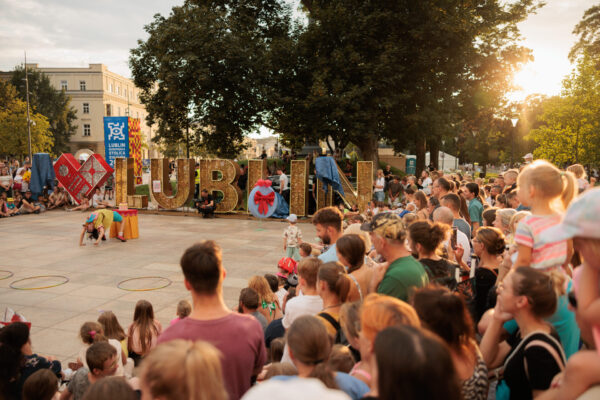
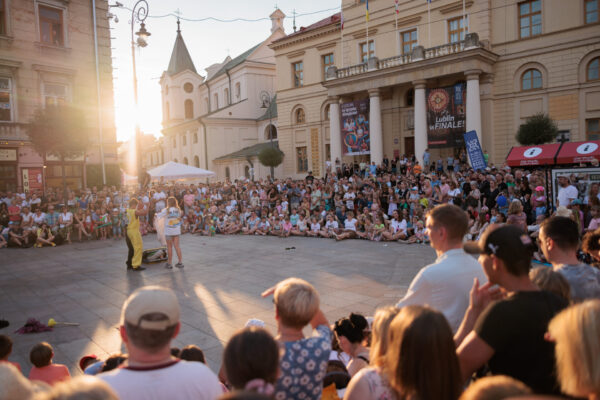
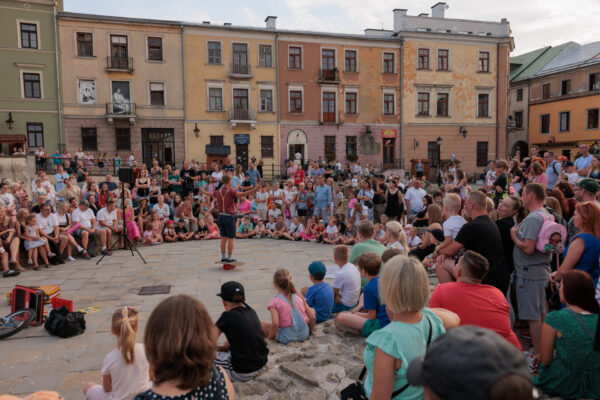
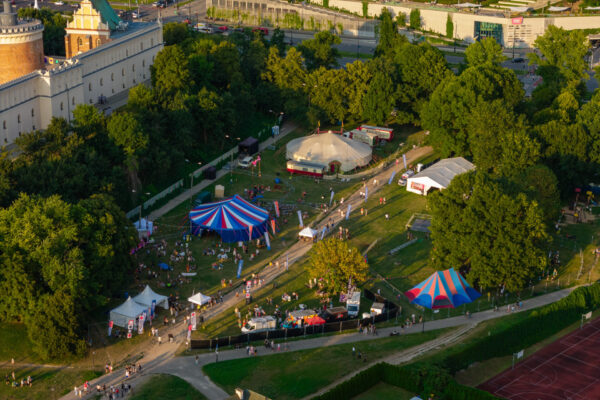
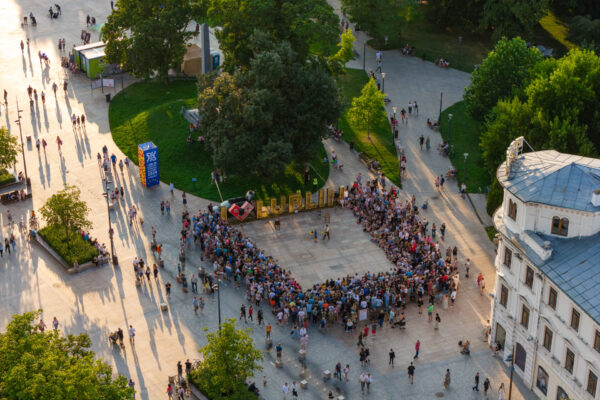
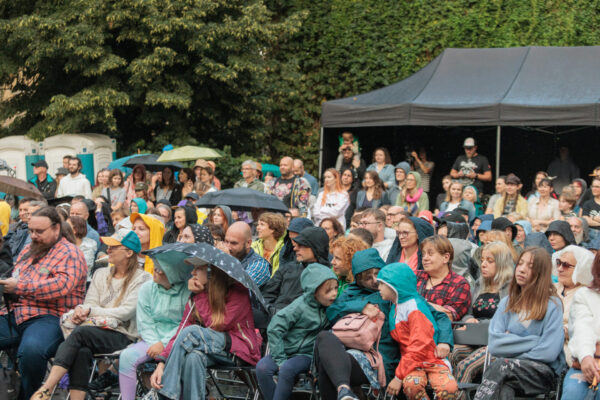
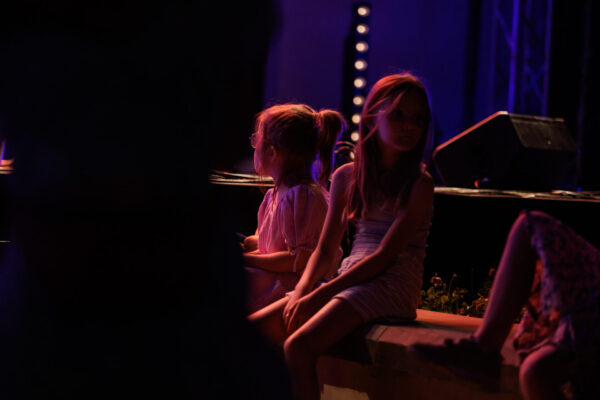
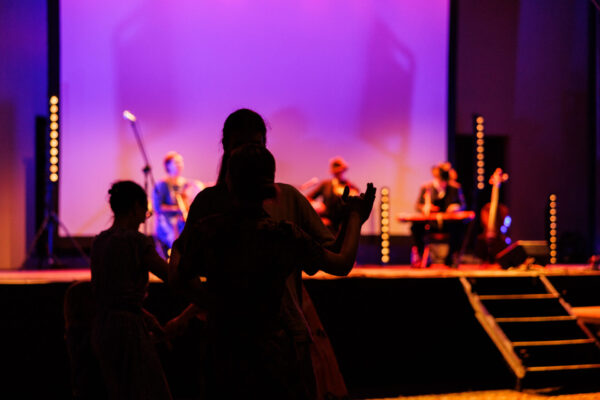
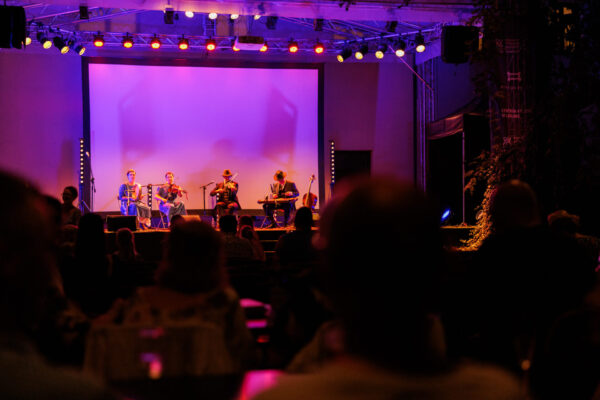
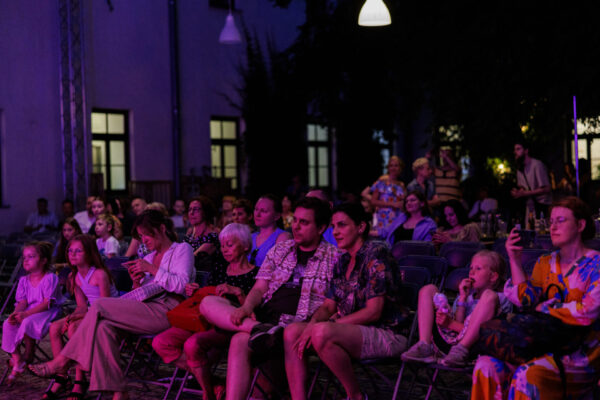
Lublin has the extraordinary privilege of celebrating a carnival in the middle of summer. Since 2010, residents and numerous tourists have been captivated by the unique atmosphere of the Carnaval Sztukmistrzów.

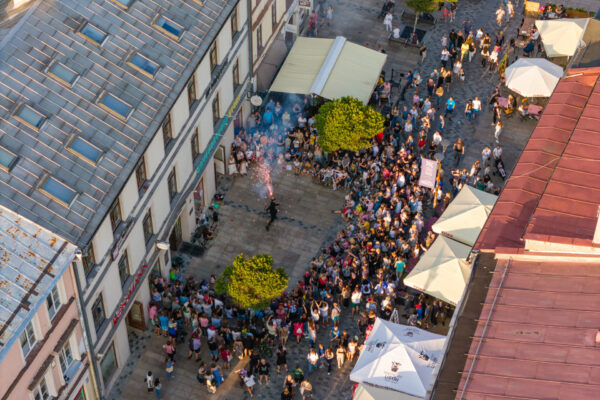
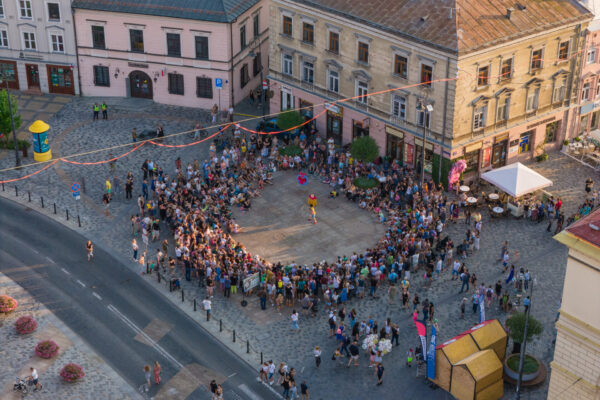
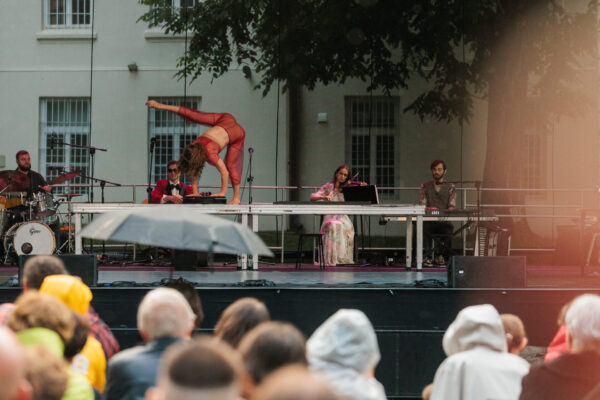
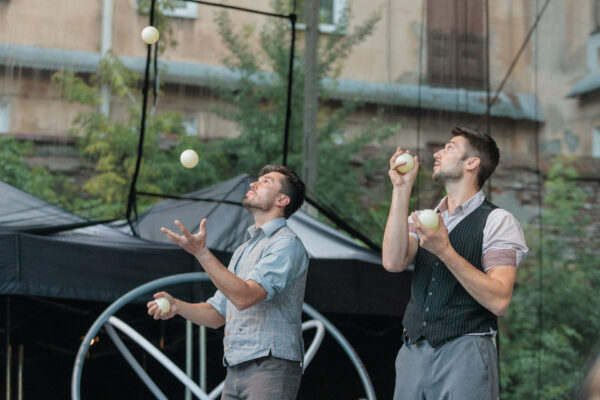
It is an event filled with street shows, theatre, circus performances, and fire shows. The performances of world-famous circus stars are very popular with the audience.
Street and circus artists from all over the world come to the city to present breathtaking performances and shows. It is the most performatively diverse festival in the country, where the audience can experience the best in the art of contemporary circus, clowning, acrobatics, and busking.
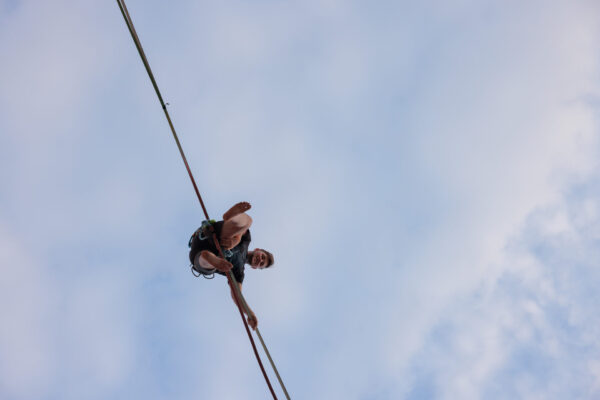
The program of this year’s edition included a hundred events that provide laughs, an element of tension, and surprise. The organizers have prepared a special FrikArt Circus Town, where the youngest audience members learn the secrets of circus art, including juggling, walking on stilts or a highline. In Slackline Area every beginner, regardless of age, could learn how to walk on a rope, and perform tricks above the ground. Lovers of handicrafts and unconventional souvenirs could participate in the Screen Printing Workshops, creating their festival T-shirts.
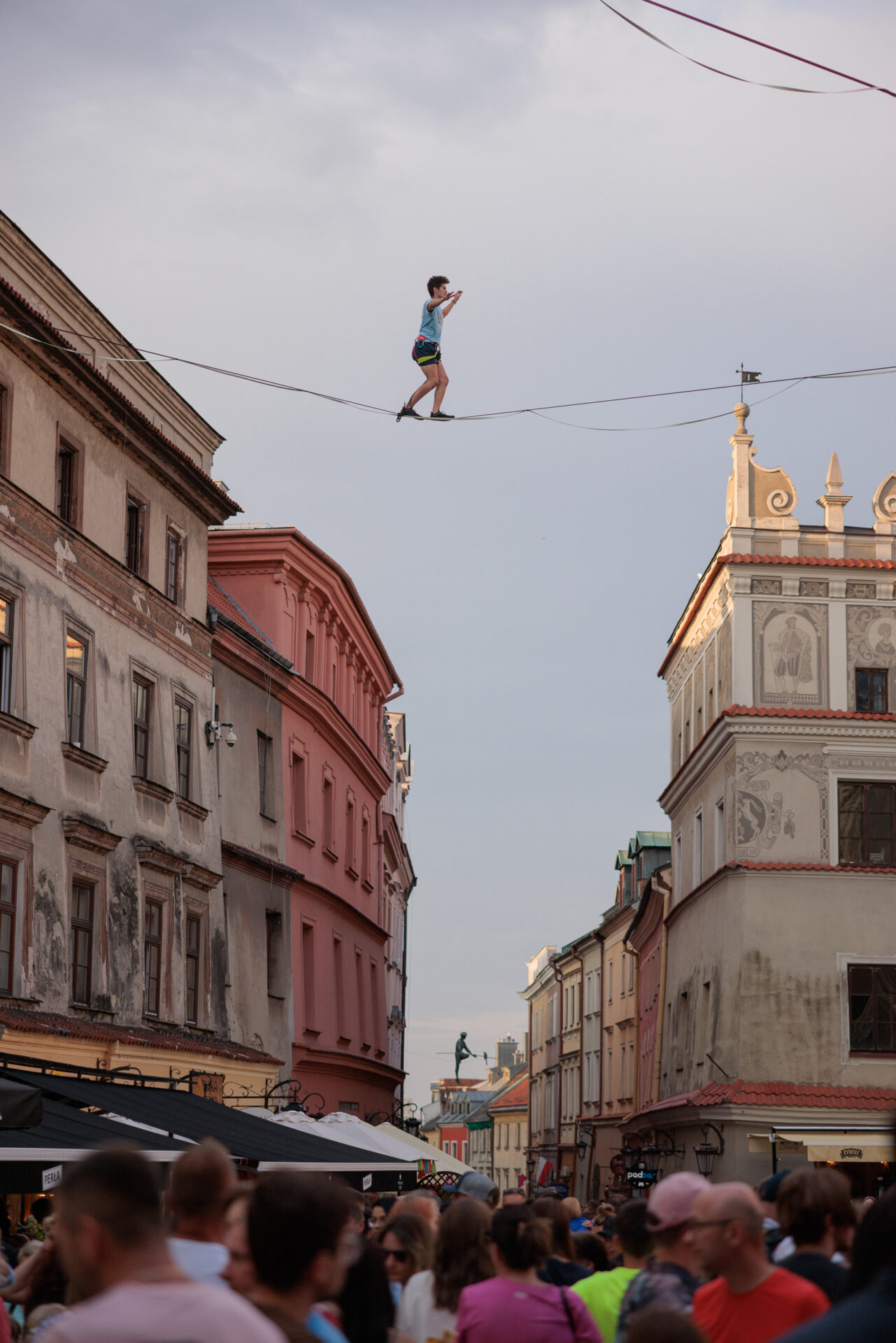
An important part of the Carnaval is the Urban Highline – the oldest and still the largest highline festival in the world. This event combines elements of the city’s identity – the iconic figure of the Magician from Lublin – with a newly emerging discipline, i.e. slackline. All events took place in the city centre, and the Old Town.

Isaac Bashevis Singer inspired the Lublin festival

By News

This year, the International Festival “In the Footsteps of Singer” visited fifteen cities and towns in the Lublin region. The event evokes the Jewish heritage of the town immortalized by the Nobel award-winning writer in his short stories. It also creates opportunities for building bonds and deepening relationships with other communities based on cultural activities and common historical heritage.

Since 2011, in mid-July, the Festival travels from city to city. Through artistic activities, it evokes memories, teaches, and entertains. The first city on route of this year’s edition was Łęczna. Then the artists visited Lubartów, Bychawa, Piaski, Chełm, Krasnystaw, Goraj, Stary Dzików, Biłgoraj, Kraśnik, Józefów, Szczebrzeszyn, Janów Lubelski, Krasnobród. The festival ended on July 25 in Lublin.
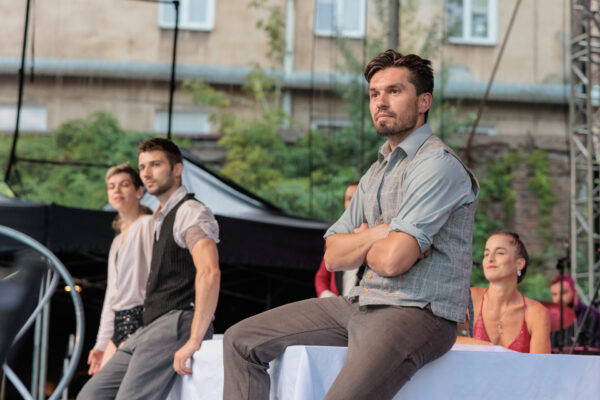
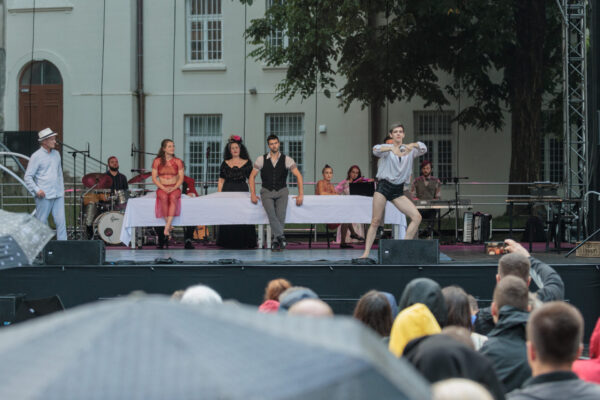
The organizers invited the audience to a joint performative reading of the book “The Magician of Lublin”, led by Witold Dąbrowski. This novel and the personal memories of Izaak Bashevis Singer were also an inspiration for an outdoor theatre performance directed by Arkadiusz Ziętek, and performed by the ensemble made of artists from Argentina, Croatia, Ukraine, and Poland. The show combines music and elements of dance, juggling, hula-hoop, fire show, circus, and clowns.
The participants watched documentary films: “The Bevel of Light” and “Reading Sienkiewicz in the Negev Desert”. The protagonist of the second picture is Alex Danzig, born and raised in Poland, who emigrated with his parents to Israel in 1959. The film tells the story of Alex’s mission, which was to introduce Polish culture and history to the young generation of Israelis. In October 2023, he was kidnapped, along with a group of other residents of Kibbutz Nir Oz, by Hamas fighters. In recent days, information about his death has been confirmed.
The organizer of the International Festival “In the Footsteps of Singer” is the “Grodzka Gate – NN Theatre” Center in Lublin. The event is created in cooperation with local governments and cultural institutions.

Lublin hosted folklore groups from distant parts of the world

By News

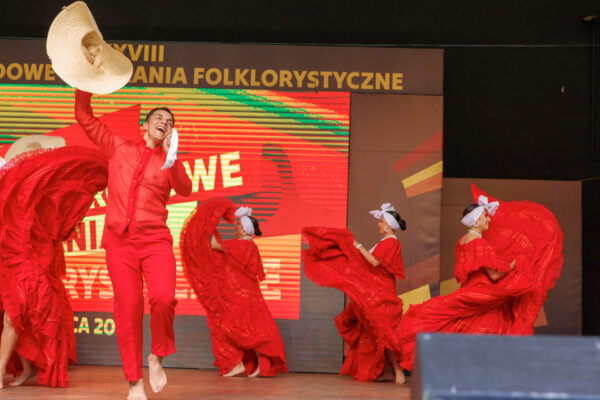
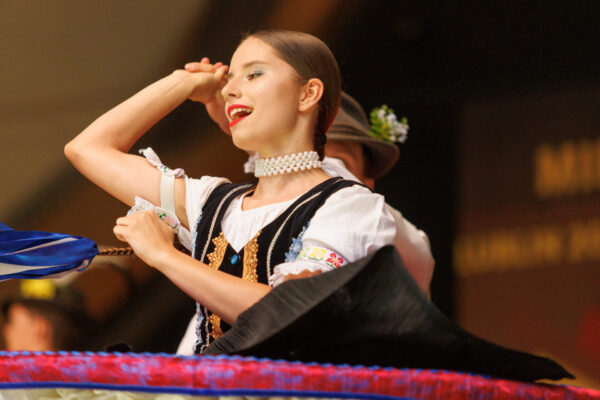
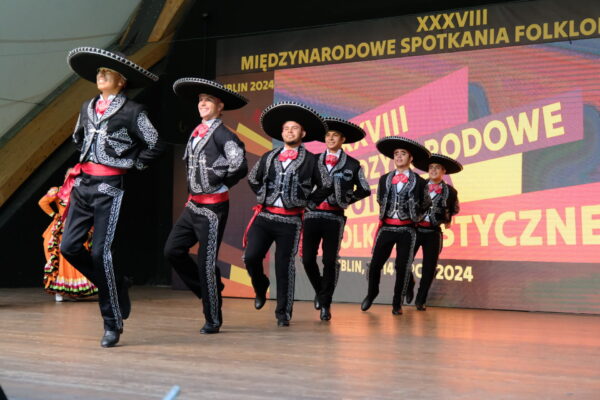
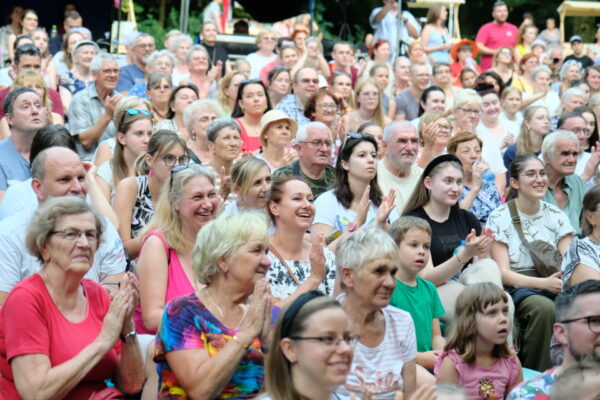
The 39th International Folklore Meetings, similarly to the previous editions of the Festival, filled the city with singing and dancing by groups from all over the world.

The International Folklore Meetings have been an important cultural event in Lublin since their creation. The event is an opportunity for young people to present their identities and cultural differences, and exchange experiences.
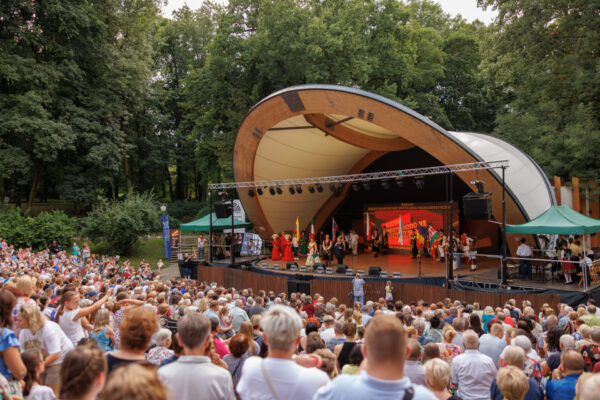
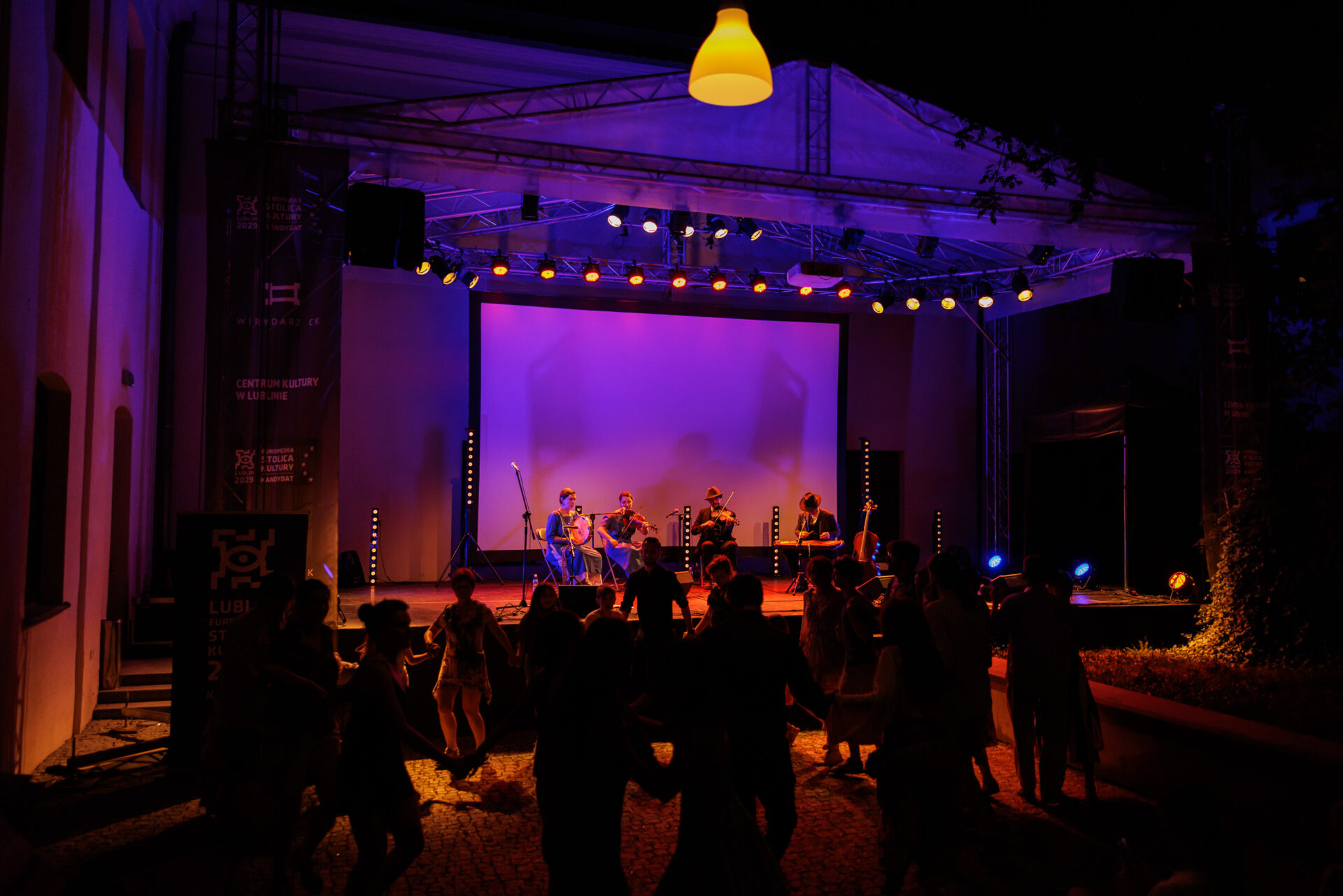
On the first day of the Festival, the bands introduced themselves to the residents during the parade, walking from Litewski Square to the Old Town. The opening concert took place in the Concert Amphitheatre in the Saxon Garden. The programme included concerts in several different locations, workshops, and folk art fairs.
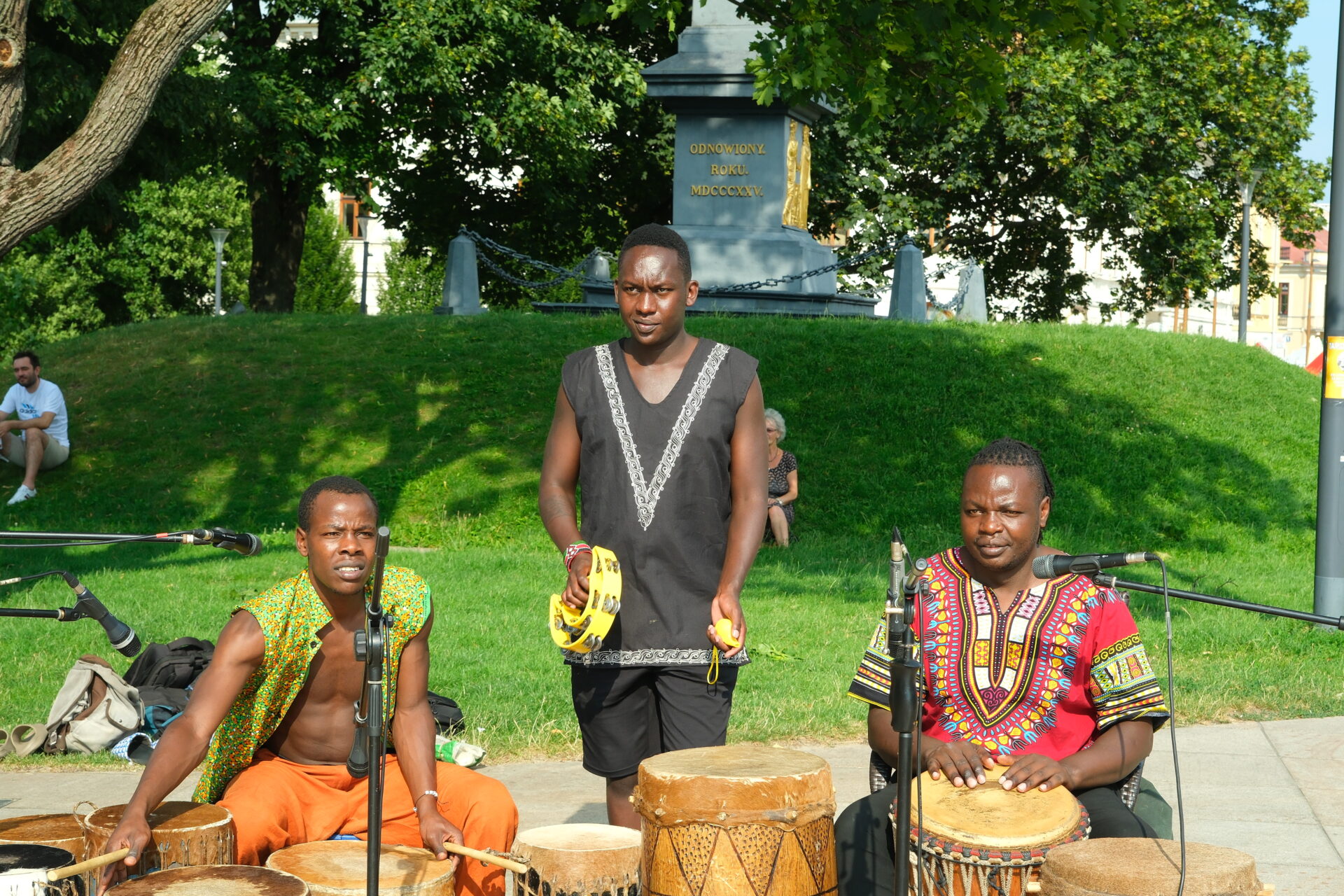
The first viewers of this year’s performances were little patients from the University Children’s Hospital, who were visited every day by bands from Slovakia, Colombia, Mexico, Romania, and Kenya. For the children such visits were both a moment of joy and contact with folklore from distant countries and an opportunity to forget about their diseases and therapy.
The festival included dance workshops during which artists, as well as residents and visitors of Lublin, taught each other their dance, and learned about traditions and ways of expressing emotions and movement.
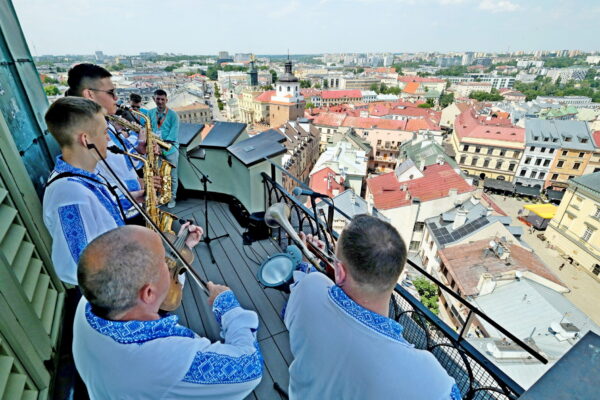
Each festival day, one of the bands climbed the stairs leading to the terrace of the Trynitarska Tower to present their music from there over the roofs of Lublin.
Visit the photo gallery from the Festival to discover the colours and beauty of folk art.

DDK “Węglin” on study visit in Slovenia

By News

Representatives of the “Węglin” Community Cultural Centre visited Slovenia on a study visit related to preparing the project “Cultural Center: towards accessibility”. The project is being prepared in the bid framework for the European Capital of Culture 2029.

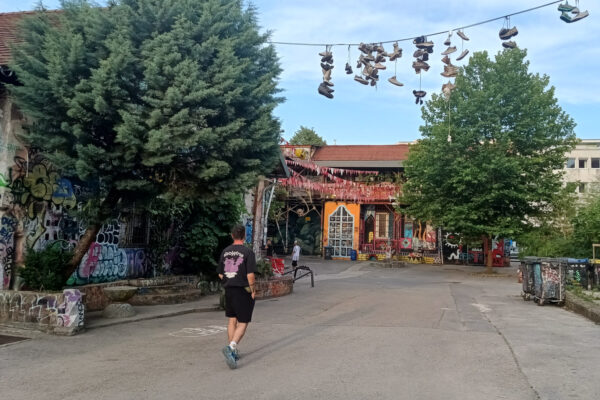
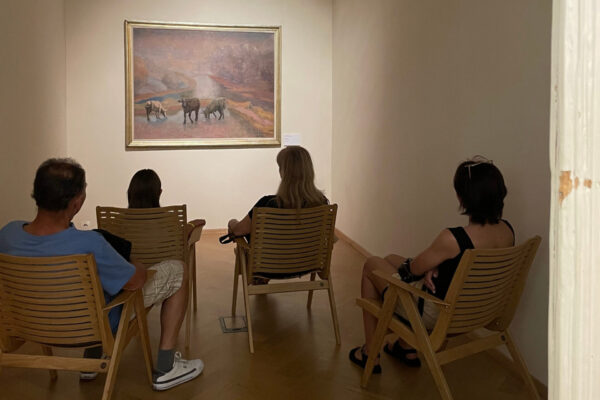
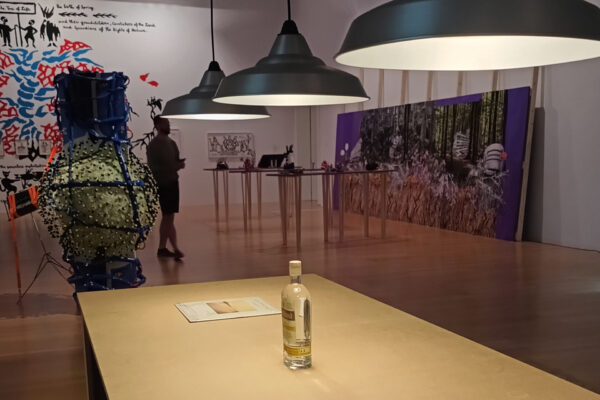
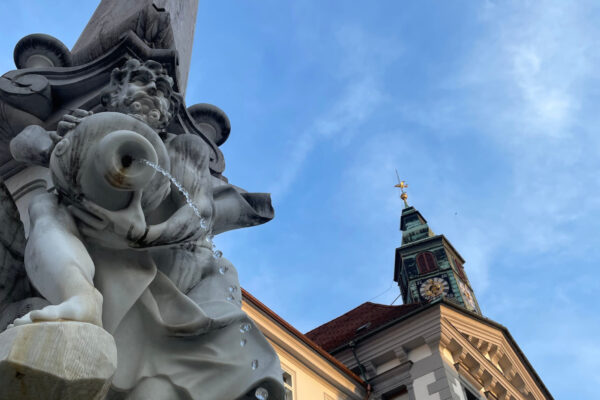
The group visited cultural and local government institutions in three cities: Ljubljana, Rogaska Slatina, and Koper-Capodistria. They assessed the architectural and communication adaptation of the institution as well as the facilities related to the program and exhibitions. The institutions visited included: the National Gallery in Ljubljana, National Museum in Ljubljana, Gallery of Contemporary Art, City Hall and the historic Town Hall (with exhibitions on the history of Ljubljana’s institutions), Cankarjev Dom Cultural Center, Ljubljana Castle Museum, Regional Museum in Koper, and institutions in Rogaska Slatina. Representatives also visited AKC Metelkova mesto (independent cultural centre) and a participatory exhibition organized by the Youth Center in Ljubljana. In Rogaska Slatina, they met with representatives of the local government, the local cultural centre (which operates 7 facilities in the commune), and the University of the Third Age. During the visit, the concept of creating a platform for cooperation and exchange of experiences was presented. Its idea is to create a group of cultural institutions that would launch several activities focused on the availability of cultural centres with similar goals and operating models. All parties expressed their intention to participate in the platform and declared to promote its operation among the Slovenian institutions.Based on preliminary talks with specialists in the field of accessibility, the platform would be an opportunity to promote good practices, including legislative ones in Slovenia.

“Węglin” Community Cultural Centre on study trips in Berlin

By News

In May and June, representatives of the “Węglin” District Cultural Centre visited Berlin in connection with the preparation of the “Object/Subject”
Conversations with various institutions, theatres, and artists concerned future substantive partnerships and participation in events planned in Lublin, including the bid for the European Capital of Culture 2029.

The largest institution that joined the partnership is Schaubude Berlin – a city theatre organizing one of the largest European subject theatre festivals – Theater der Dinge. Theatre and festival director Tim Sandweg and co-organizer Silke Haueiss expressed their willingness for substantive cooperation and exchange of experiences within the partnership and proposed artistic recommendations tailored to activities in Lublin.
Another institution that has declared its willingness to join the network being built is TATWERK Performative Forschung. Aurora Kellermann – co-founder and artistic director of the theatre, presents events outside the institution and works with performing artists at the crossroads of disciplines.
As part of the study visits, the representative established contact with the Merlin Theater, whose latest project, carried out in Iceland, involves using materials and objects found on the island to create a new performance. The theater itself has a well-established position in the visual theatre community and produces its performances.

Links:
https://schaubude.berlin/en
https://theaterderdinge.com/
https://tatwerk-berlin.de/en/

Meetings with Lublin non-governmental organizations

By News

Talks aimed at intensifying cooperation with the third sector are taking place in the framework of the EcoC bid. Three meetings with representatives of non-governmental organizations took place. They were concerned with the rules of accessibility of offers for NGOs in open competitions, the creation of the Non-Governmental Organizations Support Center, and the details of the work of competition committees in Lublin.

A meeting on accessibility in the activities of non-governmental organizations commissioned by the City of Lublin was held on July 9. Despite the substantive discussion and high activity of the participants, there are still many issues to discuss. Therefore, the talks will continue to work on specific recommendations and entries in city documents. Good examples regarding accessibility are in force in Wrocław, Warsaw, and Gdańsk.

Representatives of Lublin non-governmental organizations, as part of the working group working on the concept of the Non-Governmental Organization Support Center. Key issues discussed at the meeting included: premises requirements for the centre, its accessibility, and key functions, and the most effective forms of centre management.
The third consultation meeting focused on the details of the work of the competition commissions in Lublin. In a long and substantive discussion, people at the meeting discussed the assessment of the organization’s experience, the need to contribute, discrepancies in the amount of remuneration for specific tasks in the offer depending on the bidders, and transparency of the offer scoring.

Further meetings scheduled:
– July 17, at 4.00 p.m., City Hall, room no. 2 (ground floor), topic: Establishment and operation of the Center for Supporting Non-Governmental Organizations.
– July 24, at 16.00, City Hall, room no. 2 (ground floor), topic: Accessibility rules in open tender competitions.
– August 1, at 16:00, Lublin City Hall, room 252 (2nd floor), 2 Spokojna street, topic: Changes to the city’s financial cooperation with the third sector.

Earth Night at Galeria Labirynt – Danse Macabre

By News

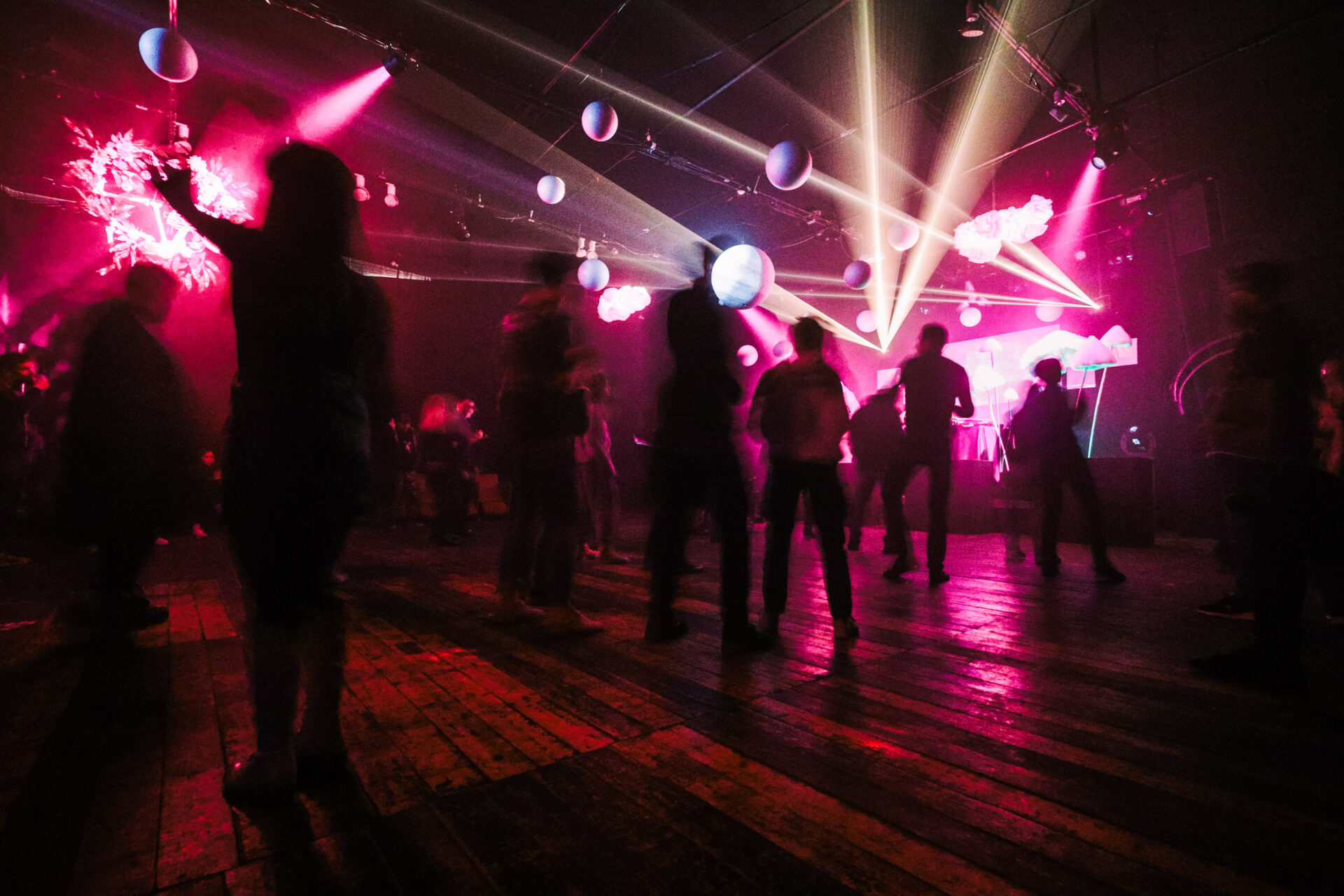
On April 20 we celebrated World Earth Day at Galeria Labirynt. The event was co organized by Lublin together with Earth Night and included a dance party Danse Macabre.

Lublin happily joined the initiative started by DJs For Climate Action, which promotes ecological awareness through musical events.
Earth Night inspires people to take action to protect the environment through music. The initiative focuses on ecology and encourages taking specific actions for the planet, and is a unique platform integrating a passion for music with care for our planet.
Watch the video from Dance Macabre.

Lublin Unions in the process of applying or the ECoC 2029 title

By News

Lublin / Re:Union – Marta Ryczkowska

The European Capital of Culture is a brand that has as many definitions as there are candidate cities in this almost 40-year-old competition. Each of the cities that held the title perceives it differently, from the perspective of its challenges, and plans for the future. Lublin is competing under the motto Re:Union, is richer in experience and the legacy of the process from 2011. The concept refers both to the Union of Lublin as a peaceful union of states, and to the European Union. In 2029, 25 years will have passed since Poland’s accession to the EU structures, which is a reason to reflect on the community and democratic values.
The key concept of the Lublin candidacy is reunification. Re:Union refers to the renewed dialogue of countries, the interpenetration of cultures, integrating diversity within one city and region, repairing broken ties with nature, and cultivating relationships with others, and oneself. The most important part of the Lublin bid is the process of recovering and generating connections. It is an difficult task in a polarized world and a divided community.

As part of the bid for EcoC, the team preparing the application takes care of development, internal networking, and joint reflection on the city in times of changes and crises. One of the activities was the establishment of the Cultural Union of the Lublin Metropolitan Area, covering the entire region in preparations for the ECoC. The expanded team is working on its models of city development, and new qualities of cultural policies. Another body that was established is the Consortium of Lublin Cultural Operators. It has been supporting the curatorial team in preparing the application program. The Consortium of Lublin Non-Governmental Organizations was also established. It takes care of the development of non-institutional culture in the context of the ECoC. An Academic Union was established between public and private universities in Lublin. The Business Union was also signed, a declaration of cooperation between the most important companies and enterprises in the Lublin region for the European Capital of Culture 2029. It intends to work together on the quality of cultural life in the city through the synergy of business and culture. The agreements are unique formats initiating joint activities that have not had a chance to exist in Lublin so far. The idea of Re:Union assumes both internal networking, related to environments and areas of urban activity, external networking, related to more dynamic functioning in the international arena. We are committed to defining a long-term European vision of local development through culture and creativity. Networks are the essence of European cooperation, the lifeblood of its culture. In the application process, Lublin joined Culture Next, a network of over 30 ECoC cities financed by European funds. Based on the experiences, processes, and collaborations established during the ECoC bid, the network, supports all cities in implementing culture-based local development programs and policies. Culture Next is also a commitment to ensuring the lasting impact and significant legacy of the ECoC program. As part of the network Lublin works with PolyLoop, a pilot project for monitoring and evaluating ECoC cities created by a British technology start-up. PolyLoop supports Culture Next in benchmarking the collective impact of member cities and harmonizing a set of indicators that can be aligned with the European Union and UN Sustainable Development Goals. Thanks to this, it is possible to examine the translation of EU guidelines into the operation of cities. Lublin also joined IETM, the largest and oldest network bringing together institutions and people professionally involved in broadly understood performing arts. We want Lublin to become a workplace of the most important artistic networks in 2029, to be able to enrich the program of urban activities with residencies, showcases, sessions, debates, and other manifestations of co-thinking and cooperation.

Re:Union is continuous work in the spirit of community regeneration. Strong relationships, awareness of one’s limitations, the need to support the grass-roots, independent culture of the city, and stimulating the residents in constant dialogue become key.

The article was published in the magazine Lubelski Informator Kulturalny ZOOM (7-8/2024).
Lublin celebrated the anniversary of the Polish-Lithuanian Union

By News

This year’s celebration of the anniversary of the Union of Lublin is part of Lublin’s bid for the title of European Capital of Culture 2029, emphasizing the international character of our city, and its rich historical and cultural heritage.
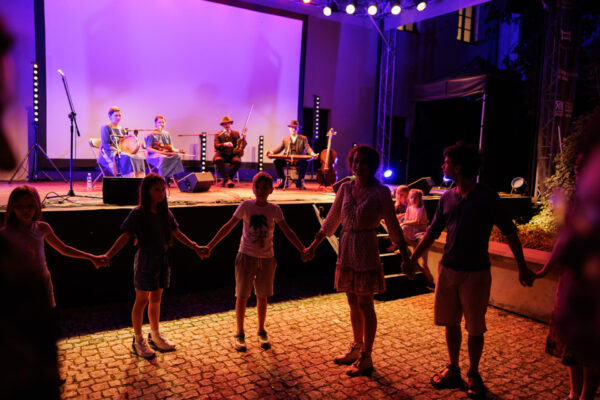
The program of the 455th anniversary of the Polish-Lithuanian union included musical events – a performance by the Lithuanian male vocal group Ugniavijas, and a concert of the Polish-Ukrainian folk band HrayBery combined with a dance. Accompanying events included an educational programme “In the Footsteps of the Union of Lublin”, which covered the most important events and places related to the Union of Lublin, and numerous exhibitions. The celebration was organized by the City of Lublin in cooperation with the Centre for Culture in Lublin, the National Museum in Lublin, and the Lublin Branch of the Association of Polish Artists.

The Lublin City Council, on the initiative of Lublin borderland societies, established July 1 as the Day of the Union of Lublin. The initiators were the Society of Lovers of Lviv and the Southeastern Borderlands, Branch in Lublin, the Society of Lovers of Vilnius and the Vilnius Land, Branch in Lublin, the Society of Friends of Grodno and Vilnius, Branch in Lublin, and the Society of Friends of Krzemieniec and the Volyn-Podolian Land in Lublin.

The Lublin Youth City Council is involved in the efforts to win the title of European Capital of Culture

By News

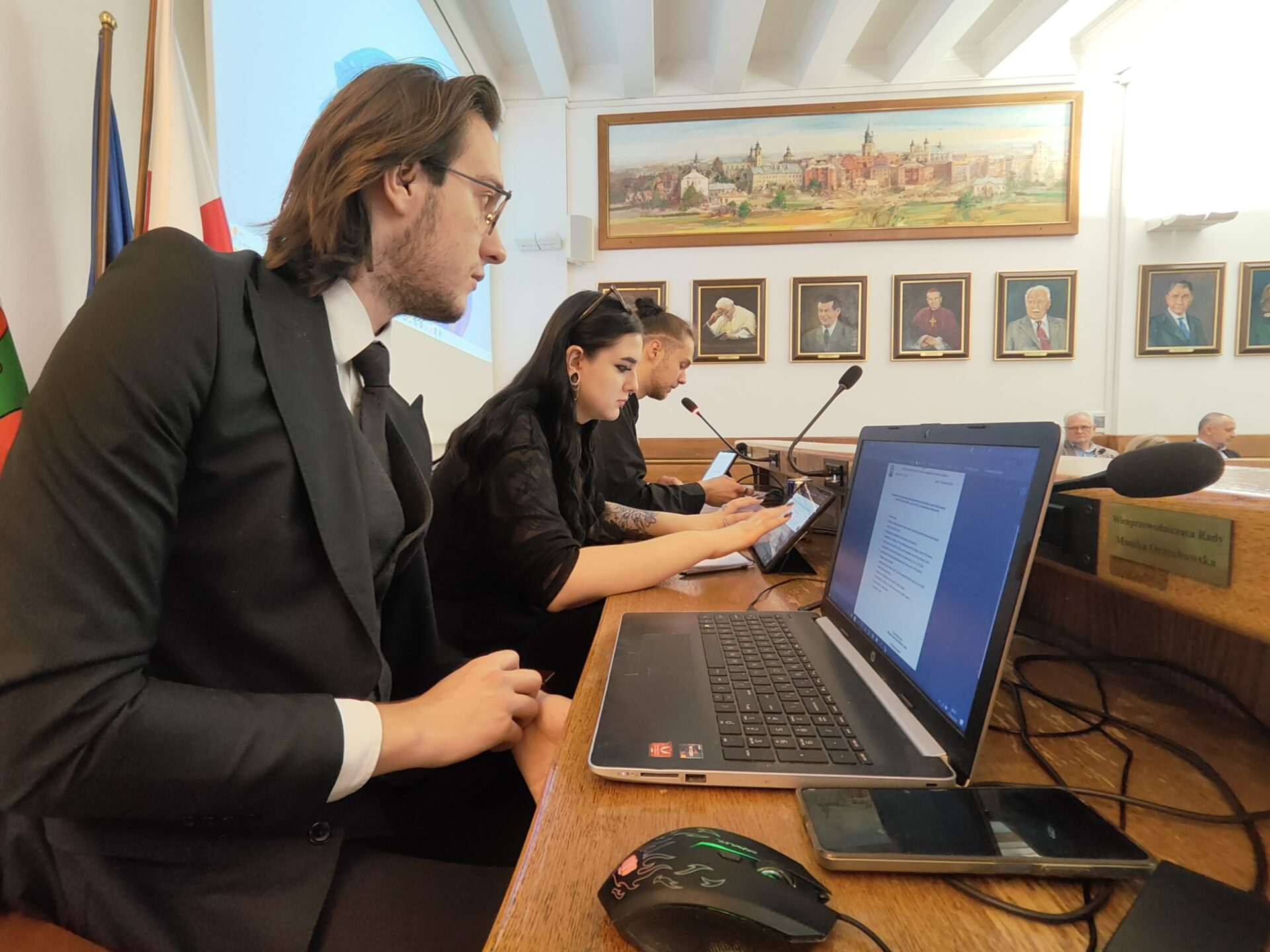
During the session of the Youth Council of the City of Lublin on June 25, a resolution was adopted regarding support for activities aimed at obtaining the title of European Capital of Culture 2029 for Lublin.

Youth councillors support the City’s bid and declared cooperation in the bid for the European Capital of Culture 2029. Young people from Lublin are aware of the impulse winning this title can create for the city as a whole, but also for individual social groups. Applying for the title of European Youth Capital a few years ago triggered strong integration processes focusing on a common idea and goal. Preparations for the Youth Capital of Culture in 2023 emphazied the role of young people in shaping the present and future of Lublin, as well as the sense of agency and influence on the activities of the local government. We count on intensive cooperation with young people, and the opportunity to benefit from their energy, ideas and experience in receiving and creating culture.