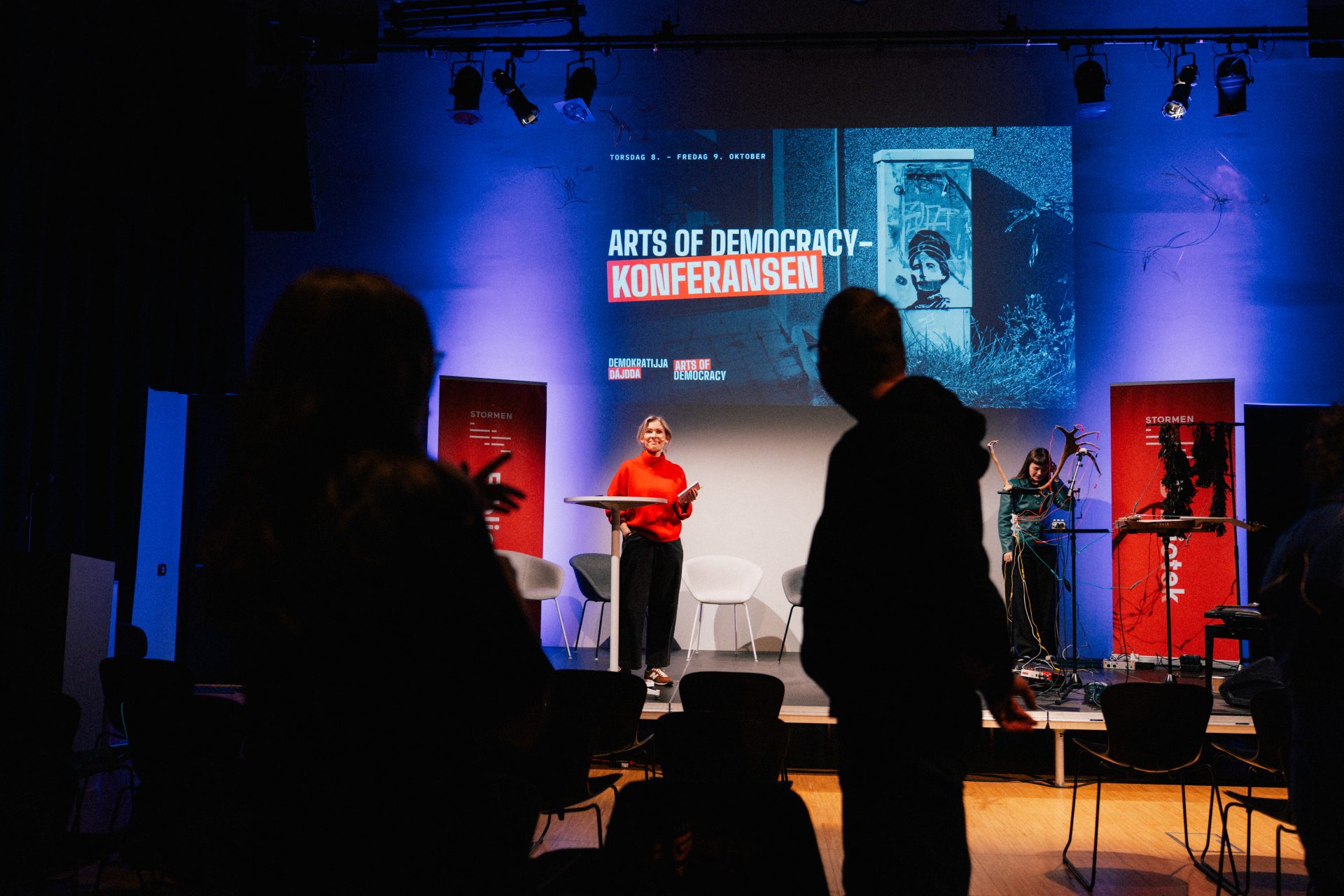
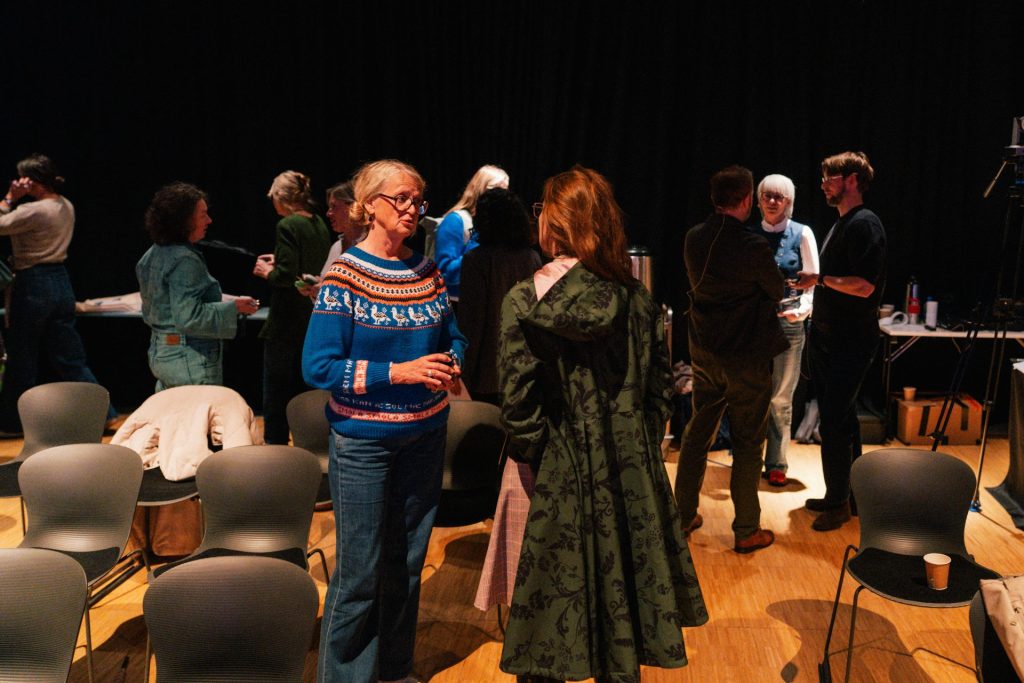
What happens to democracy when not all voices are heard? This was one of the questions faced by the participants of the Arts of Democracy conference which took place in October in Bodø, Norway. The international meeting also welcomed representatives of the European Capital of Culture Lublin 2029.
One of the central topics of the conference was culture serving as a tool for building democratic resilience and preparedness to respond to crises. The participants discussed, for example, how art, institutions, education and historical memory can become a space for democratic confrontation and the meeting of various perspectives. The debates also focused on the importance of international artistic cooperation in times of war, polarisation and growing social distrust.
Geir-Ove Andersen from Nordland Visual Theatre emphasised that art does not have to lead to consensus in order to have democratic value, but it can create conditions for coexistence, mutual listening and collective action. As he pointed out, the crisis of democracy deepens not only when people disagree, but above all when they stop meeting. At the same time, he accentuated the importance of international artistic cooperation in times of polarisation and growing social distrust. – Art will not solve geopolitical conflicts on its own, but it can keep open channels of communication between people who would not have the opportunity to meet under other circumstances.
In this context, representatives of Central and Eastern European countries, which are particularly affected by the war in Ukraine, shared an interesting perspective. The question of how cities preparing for the European Capitals of Culture celebrations operate in this reality has also received a considerable amount of attention.
The Mayor of Trenčín, Richard Rybníček, talked about the importance of democracy and freedom, as well as the responsibility for sustaining them. – Democracy is not perfect. Freedom is not perfect. But they create a space in which we can build a dignified life for all to pursue. Without any exceptions – emphasised the host of this year’s European Capital of Culture.
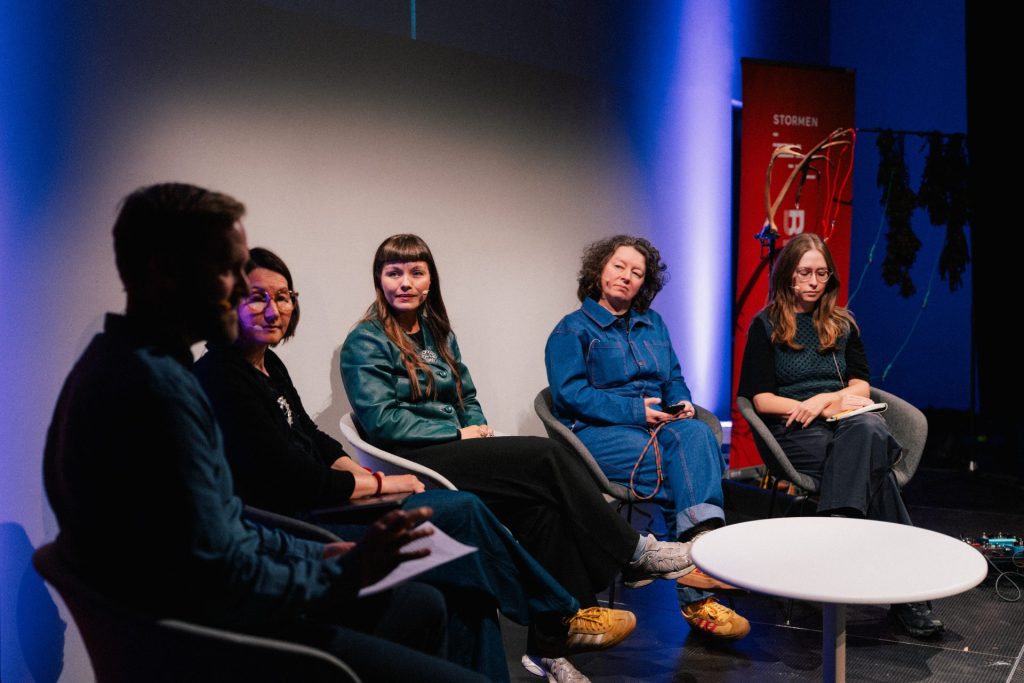
A key point of the conference was author meetings and debates devoted to the art and literature of the Sámi, the oldest indigenous people of Northern Europe, who dwell in the Sápmi region. They were primarily referred to in the context of freedom of expression, cultural diversity, the right to self-representation, and cooperation across national borders. Sámi culture was not merely reduced to its heritage; it was also presented as a contemporary, living culture, language and social practices.
The presentation of Lviv also deserves to be mentioned. Yuliia Khomchyn, director of the Institute of Cultural Strategy in Lviv and one of the authors of the “Responsibility to Be” application, showed that despite losing the competition for the ECoC title, the entire concept is still being developed, and its projects are being implemented. Today, Lublin and Bodø work together as partners implementing the idea of “Responsibility to Be.”
Lublin’s presentation
The schedule also included a presentation held by Lublin’s delegation on the RE:UNION programme as a tool for social change and culture as regeneration. The starting point was the city’s long tradition of cultural activism.
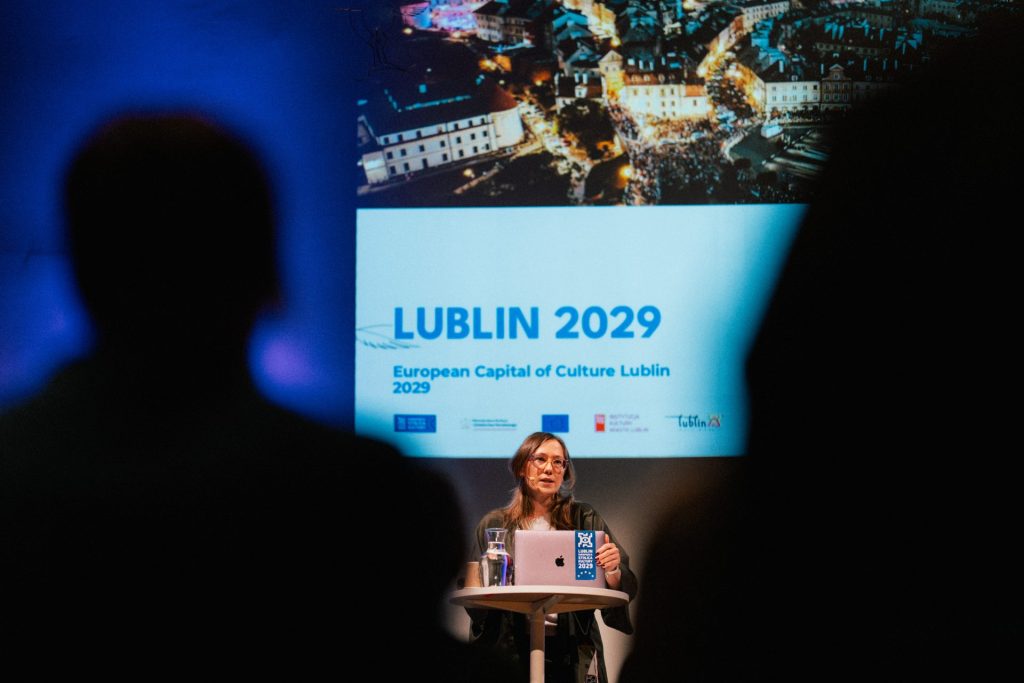
Marta Ryczkowska from the European Capital of Culture Lublin 2029 argued that culture has always been a catalyst for social change in Lublin: a space for dialogue, building communities and responding to political and social challenges. It is from these experiences that the idea of RE:UNION, the core of the Lublin 2029 ECoC programme, emerged. Culture is a tool for strengthening social resilience within it: it creates a space where people can meet, differ, listen to each other, experiment and develop new forms of collaboration.
The conference in Bodø demonstrated three interconnected dimensions of the relationship between art and democracy. Art creates space for encounter and dialogue without the need to reach an agreement, and the opportunity to meet, collaborate and express complex experiences is particularly important in times of polarisation, war and uncertainty. International cooperation can strengthen local communities and artistic environments if it is rooted in a specific area. However, the sustainability of these activities requires a responsible cultural policy, stable working conditions and long-term prospects of infrastructure and heritage.
These experiences and international exchanges are an important point of reference in the preparations for Lublin – European Capital of Culture 2029.
The Arts of Democracy conference in Bodø, Norway, took place from October 5th to 10th, 2026.
Translated by: Zofia Świerszcz
Proofread by: Gabriela Niewadzi