All Posts By

ESK

ECoC RE:UNION Diploma

By News

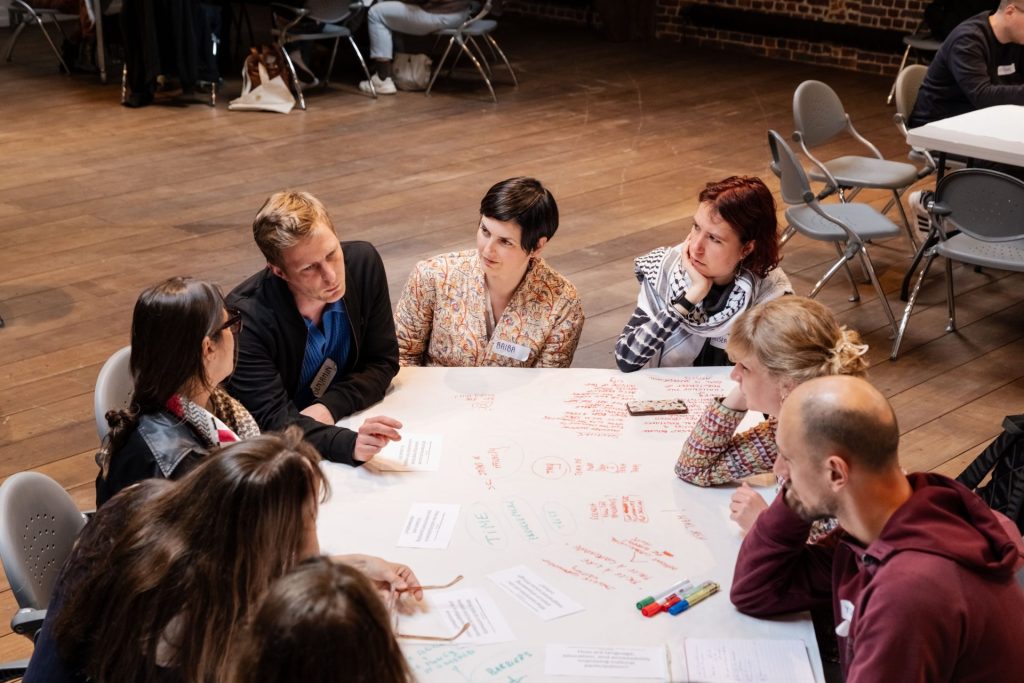
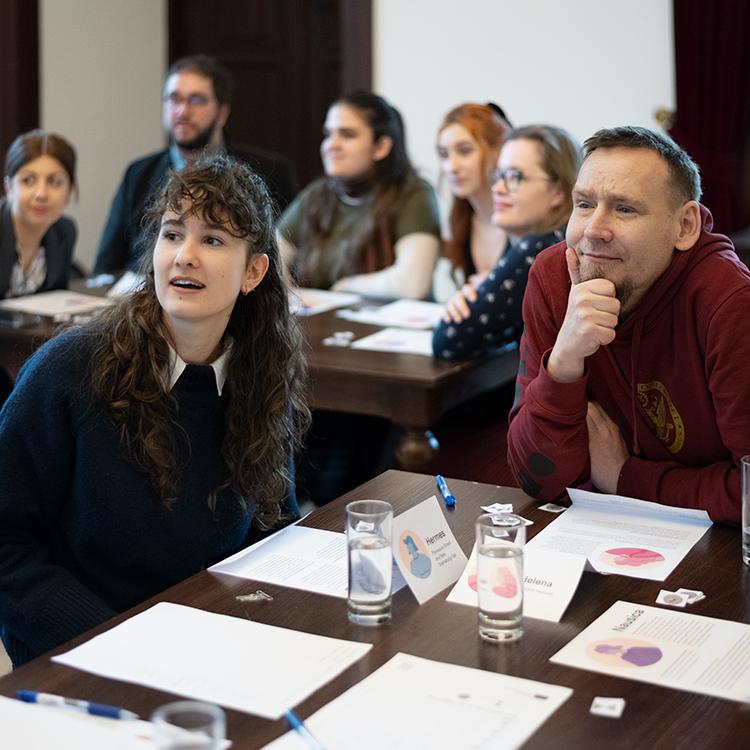
The project aims to create a multilateral training platform designed to enhance cross-border cooperation skills among cultural operators. It foresees the participation of cultural practitioners from Poland, Ukraine, EU countries, and the Balkans. A particular focus is placed on supporting Ukraine, addressing the needs arising from the war, while at the same time creating a favorable environment for networking, mutual learning, and experience exchange with partners from the EU (Belgium, Poland) and the Western Balkans.

Building on the 35 years of experience of the Marcel Hicter Association in running the European Diploma in Cultural Project Management training program, as well as previous successful collaborations between the project partners within the framework of the Eastern Partnership, the consortium will develop a two-stage training program. This program will be tailored to the realities of wartime Ukraine, the challenges of EU accession faced by the Western Balkans, and the needs of professionals from the culturally diverse landscape of contemporary Europe who seek to engage in cultural cooperation and exchange projects. Participants will be individuals actively seeking training that provides them with skills essential for career development, particularly in cross-border cooperation.

A group of cultural experts from across Europe – especially from Ukraine and Poland – will deliver training sessions focusing on the following issues:

Disintegration of the cultural sector – geographical, institutional, and emotional.

Professional burnout and loss of motivation – resilience, the need for regeneration, renewal, and rebuilding relationships.

Gaps in international cooperation and project development skills – particularly in terms of access to EU programs and funds.

Limited fundraising capacities.

Lack of tools and experience in inclusive and participatory practices – urgent need for training in cultural accessibility and community outreach.

Growing demand for ethical reflection and social responsibility, including labor rights, organizational culture, and audience engagement.

Rising awareness of ecological responsibility, also in the context of limited resources for implementing sustainable practices.

Imbalance between professional and private life, especially among women and caregivers balancing professional, personal, and social roles.

Linguistic and ideological tensions, intensified by the war, requiring new skills in dialogue, mediation, and trust-building.


Official project title: A New Perspective and Strengthening East–West Cultural Cooperation
Organizer: Marcel Hicter Foundation
Partners: Cultural Centre in Lublin, Institute of Cultural Strategy in Lviv
Lublin 2029 – Lviv 2030

By News

As part of our efforts aimed at building European relations, in addition to strong cooperation with new partners from the EU, we consistently present the Eastern perspective and develop partnerships with institutions from Ukraine as well as independent artistic communities from Belarus, including the Institute for Cultural Strategy in Lviv, the Ukrainian Institute in Kyiv, the Polish Institute in Kyiv, GOGOL Fest, the Doswied Foundation, and the Belarusian Council for Culture.

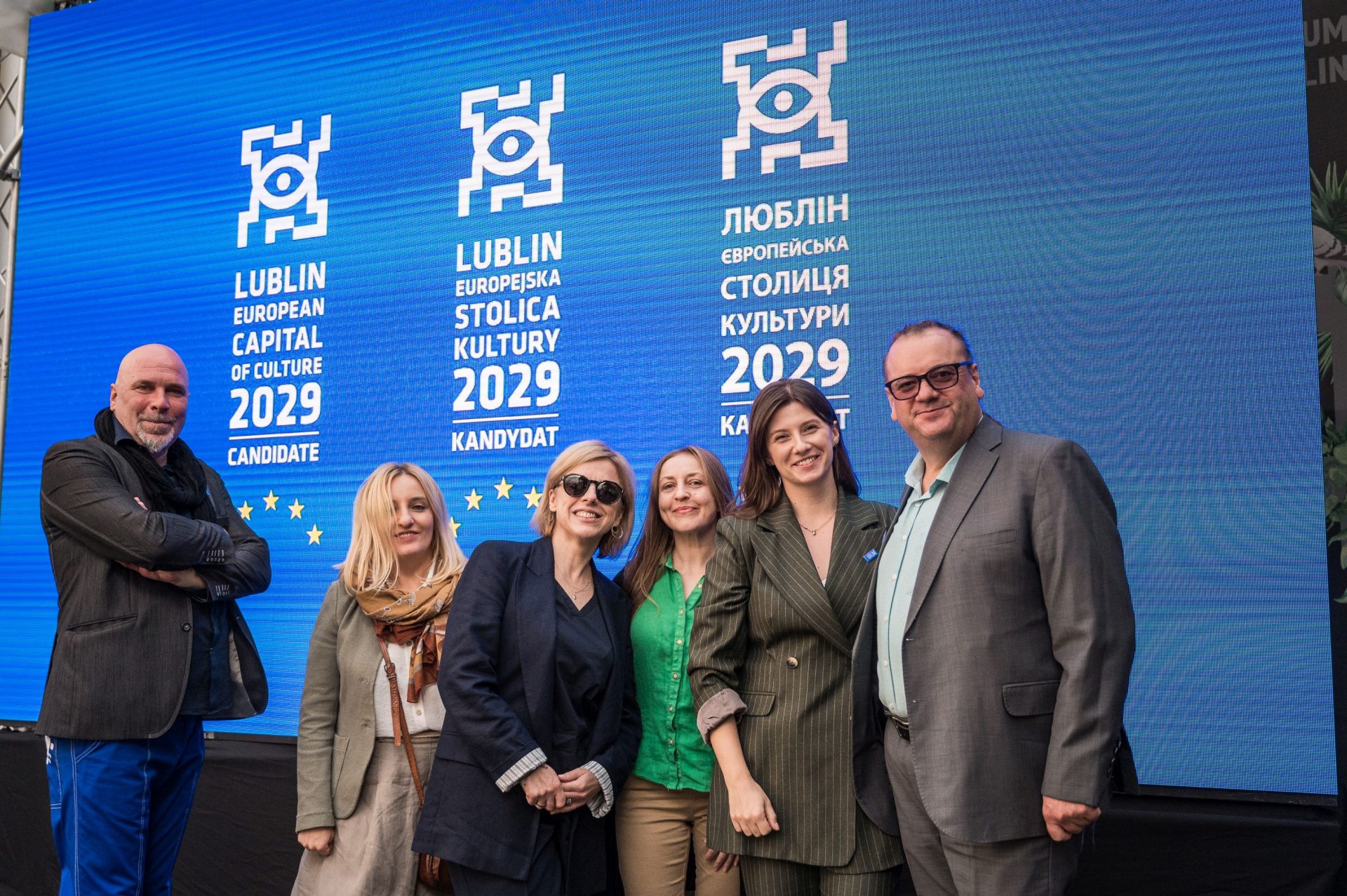
We actively support Lviv’s application process for the title of European Capital of Culture 2030. The ECoC project prepared by Lviv was designed to combine the city’s own narrative with the cultural representation of the whole of Ukraine in Europe. We support Lviv by sharing our experience, expertise, and partnerships, while also promoting its candidacy and facilitating its inclusion in European cultural networks. We have also helped to build partnership bridges during events such as the study visit of the Warsaw EUNIC cluster.

Together with the Marcel Hicter Foundation, we have also prepared an international training project on cross-border cooperation for cultural managers from Ukraine, which has been submitted to the Creative Europe programme.

Within the ECoC framework, a process of knowledge transfer is being carried out between current and future Capitals of Culture, candidate cities, and ourselves. We ensure constant interaction through visits, invitations to cultural processes, workshops, and meetings that strengthen both cooperation networks and professional competencies. We have engaged in this process of knowledge and experience sharing through training and expert consultations. However, a systemic approach is needed to make the entire process more effective.

And all this in the spirit of our Re:Union.

Lublin City of Literature Festival

By News

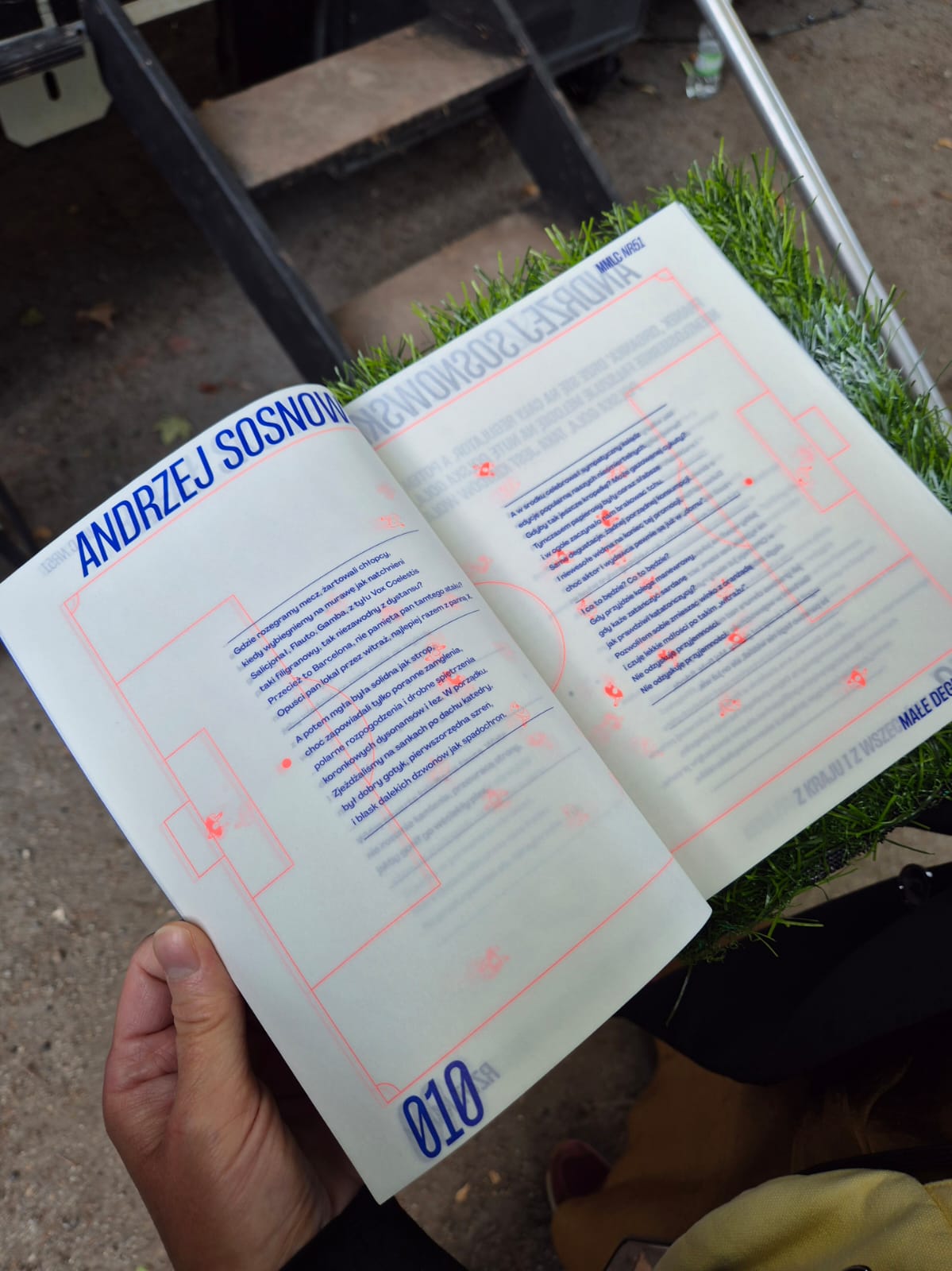
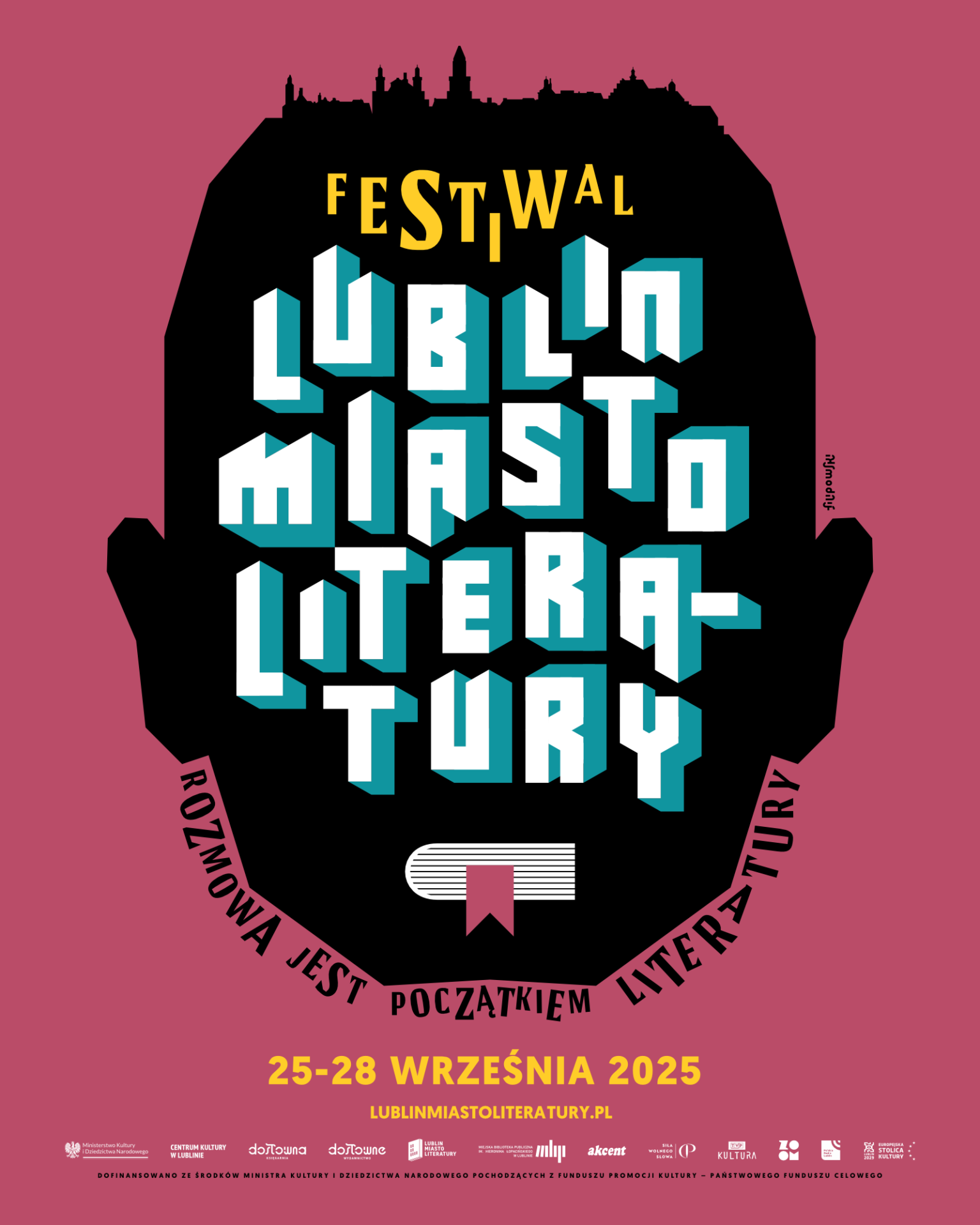
Conversation is the Beginning of Literature

Believing that literature begins with conversation, but also that conversation can begin with literature, we invite you into the world created by our guests. The uniqueness of literary forms and voices reveals the Lublin City of Literature Festival as a place where some of the most brilliant minds of contemporary writing come together. It is precisely the diversity and interplay of poetry, prose, non-fiction, and international literature translated into Polish that create an aesthetic mosaic, showcasing the full spectrum of human emotions.

Literature – written, spoken, read, displayed, or performed on stage – combines different arts and can be understood in many ways, by everyone. City of Literature is a space of this freedom: the freedom of thought that allows us to meet in dialogue, in conversation, where the sentences we speak can astonish both ourselves and our interlocutors.

We invite you to exceptional encounters at the literary source. We encourage broad-ranging conversations that transcend the contemporary moment. This is perfectly illustrated by Azar Nafisi’s words: “The remarkable feature of great literature, however, is its ability to reflect the prejudices of its author as well as the realities in which that person wrote, while simultaneously going beyond their boundaries” (Azar Nafisi, Read Dangerously: The Subversive Power of Literature in Troubled Times, translated by Dawid Czech, Karakter 2023).

The festival is based on four pillars that reflect ways of seeing the world and, taken together, show its harmony: prose, poetry, non-fiction, and translation. From September 25–28 this year, audiences will have the opportunity to listen to authors during dozens of events – including author readings, panels, and workshops – taking place at the Lublin Cultural Center. Many program points will also be interpreted in Polish Sign Language.

Audionomia 2025

By News

4th National Audio Documentary Conference in Lublin

Lublin will become the capital of audio documentary from September 12–14. The Audionomia Foundation is organizing the fourth edition of the conference, which brings together audio documentary creators and promotes sound as a language for non-fiction storytelling.

The program includes audio documentary screenings, workshops, discussion panels, and meetings with experienced creators. Participants – both professionals and beginners, students, or sound enthusiasts – will have the opportunity to exchange experiences and expand their skills.

The highlight of the event will be the announcement of the “Audionomia Award”, granted to the best audio documentary of the year.

European Night of Libraries

By News

“The meetings began in the Literary Relaxation Zone in Tołpa Park in the Ołbin district, where excerpts from ten books selected by curator Karolina Sulej were read. The theme of this year’s event – “The Impulse of Notation” – reminded us of the power of handwritten notes. During the Night we had the opportunity for many inspiring conversations: with Dominika Kawalerowicz, Director of the Wrocław Institute of Culture, and Romana Pomianowska, Deputy Director, with whom we discussed the program and possibilities for literary cooperation.

In the Book Truck – the Mobile Bookstore of Tajne Komplety – we met with Grzegorz Czekański from the Tymoteusz Karpowicz Foundation, learning about the foundation’s fascinating initiatives. With Katarzyna Janusik, Deputy Director of the Wrocław House of Literature, we talked about the role of literature in urban space, while a particularly valuable meeting took place with Anna Janus, Director of the Wrocław Public Library, which gave us the chance to better understand the functioning of one of the largest libraries in Poland.

Taking part in the European Literature Night 2025 was for us not only an inspiration, but also an opportunity to build valuable connections. Once again, Wrocław has proven that literature has a permanent place here, and we are returning to Lublin with our heads full of ideas.”

Dorota Olejniczek-Klementewicz, Katarzyna Poleszak

Employees of the Hieronim Łopaciński Municipal Public Library in Lublin, who took part in this year’s edition of the European Literature Night in Wrocław.

Creative District Incubator

By News

The project aims to develop the competences of representatives of the creative industries in the Lublin region through a series of workshops and seminars. It has been prepared by an international group of experts, taking into account research and identified needs. The activities will take place in the newly established Creative District, with their culmination in an international conference combined with a creative fair. A lasting outcome of the project will be an online platform dedicated to knowledge exchange and networking.

The conference, scheduled for October 4–5, 2025, will be a two-day event focusing on creative districts in Poland and across Europe. It will bring together representatives of past, present, and future European Capitals of Culture, alongside strong voices from Poland. The event will be an opportunity to present the potential of creative districts as hubs of innovation and culture. Participants will learn about best practices, engage in discussions and workshops, and explore how these spaces foster the growth of creative industries and diverse artistic activity.

The Creative Fair, taking place on October 4–5, 2025, will be the highlight of the project, hosted in the industrial setting of the former Lublin Tobacco Factory  (now Tytonie Art Fundation) . It will serve as a meeting point for artists, designers, entrepreneurs, and representatives of the creative industries. Exhibitors will present their products and services, while visitors will have the chance to establish contacts and be inspired by innovative ideas.

Workshops and seminars, organized in September and October 2025, will form a core element of the Lublin Creative District Incubator. They will give participants the opportunity to acquire specialist knowledge and skills in various fields of the creative industries, while seminars will serve as a broader platform for sharing knowledge and experiences. The program includes lectures and discussion panels on the formation of districts, their directions of development, potential, and culture-creating role in cities.

The full program will be announced soon.

Green Network – Błonia Park by Lublin Castle

By News

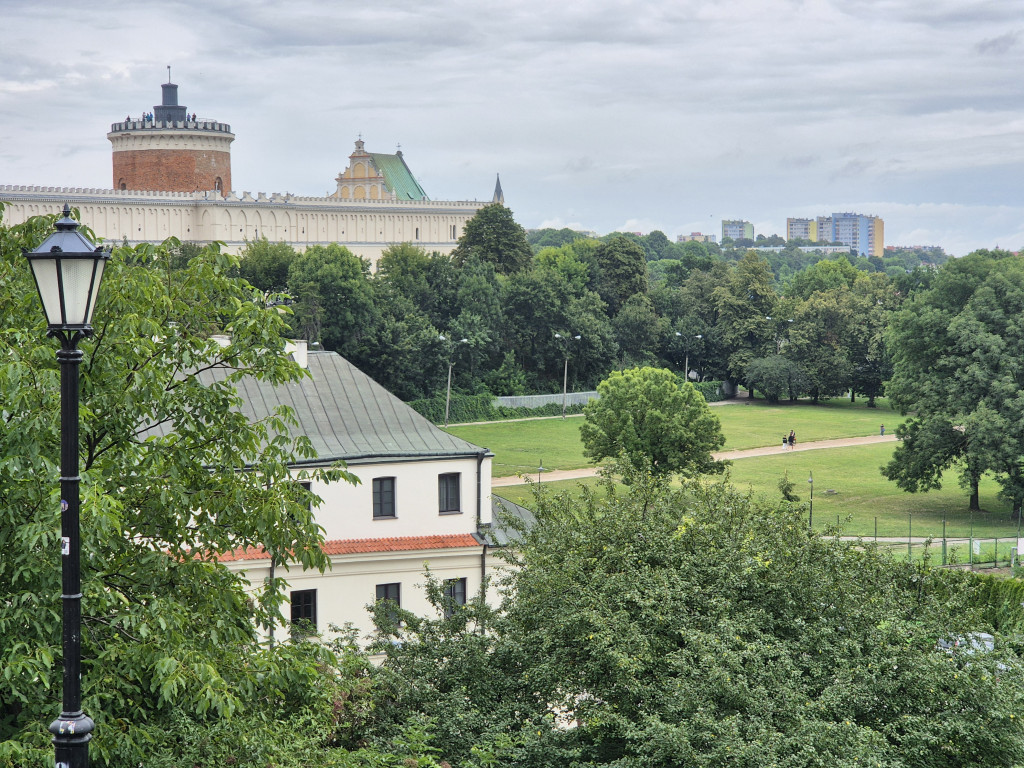
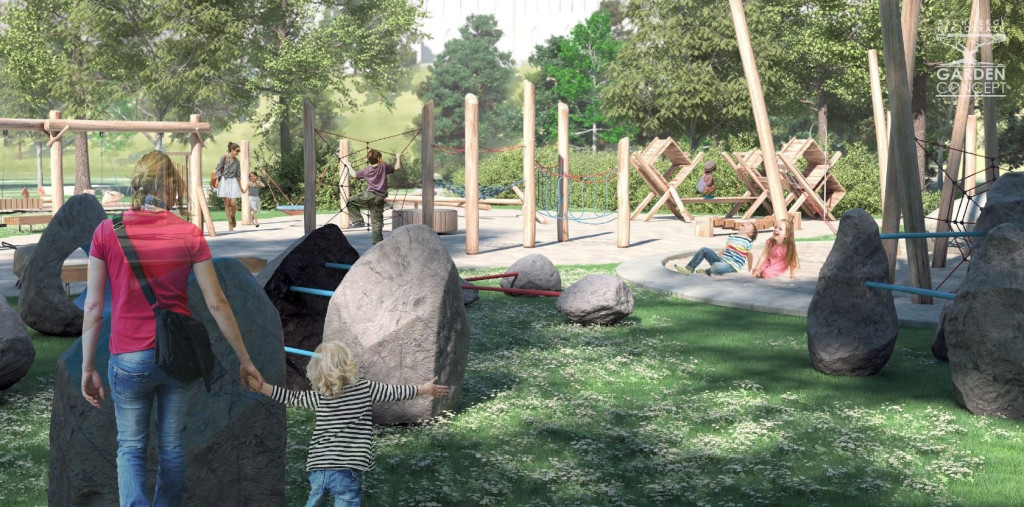
The City of Lublin has announced a tender for the comprehensive revitalization of Błonia Park by Lublin Castle – a unique space in Lublin with significant historical and landscape value. The project, co-financed with European Union funds, aims to transform the park into a green area that promotes social integration, the organization of cultural events, and the development of tourism. The park is expected to be completed in the second half of 2027 and will be part of the European Capital of Culture 2029 program.


The revitalization of Błonia Park has been planned with respect for the landscape and existing natural values – no new buildings will be introduced, and existing trees will be preserved. The work is being carried out in a way that maintains the unique character of the area, which serves as a natural backdrop for Lublin Castle and the Old Town.

The revitalized Błonia Park by Lublin Castle will host numerous social and cultural events, forming part of the European Capital of Culture 2029 program. Initiatives to be held in this space include the Błonia Culture Zone, Carnaval Sztukmistrzów, Re:tradycja – Jagiellonian Fair, and the Eastern Culture Festival – Different Sounds, all operated by the Cultural Workshops.

Summer Without Pressure – LABA Kicks Off at the Słowacki Estate

By News

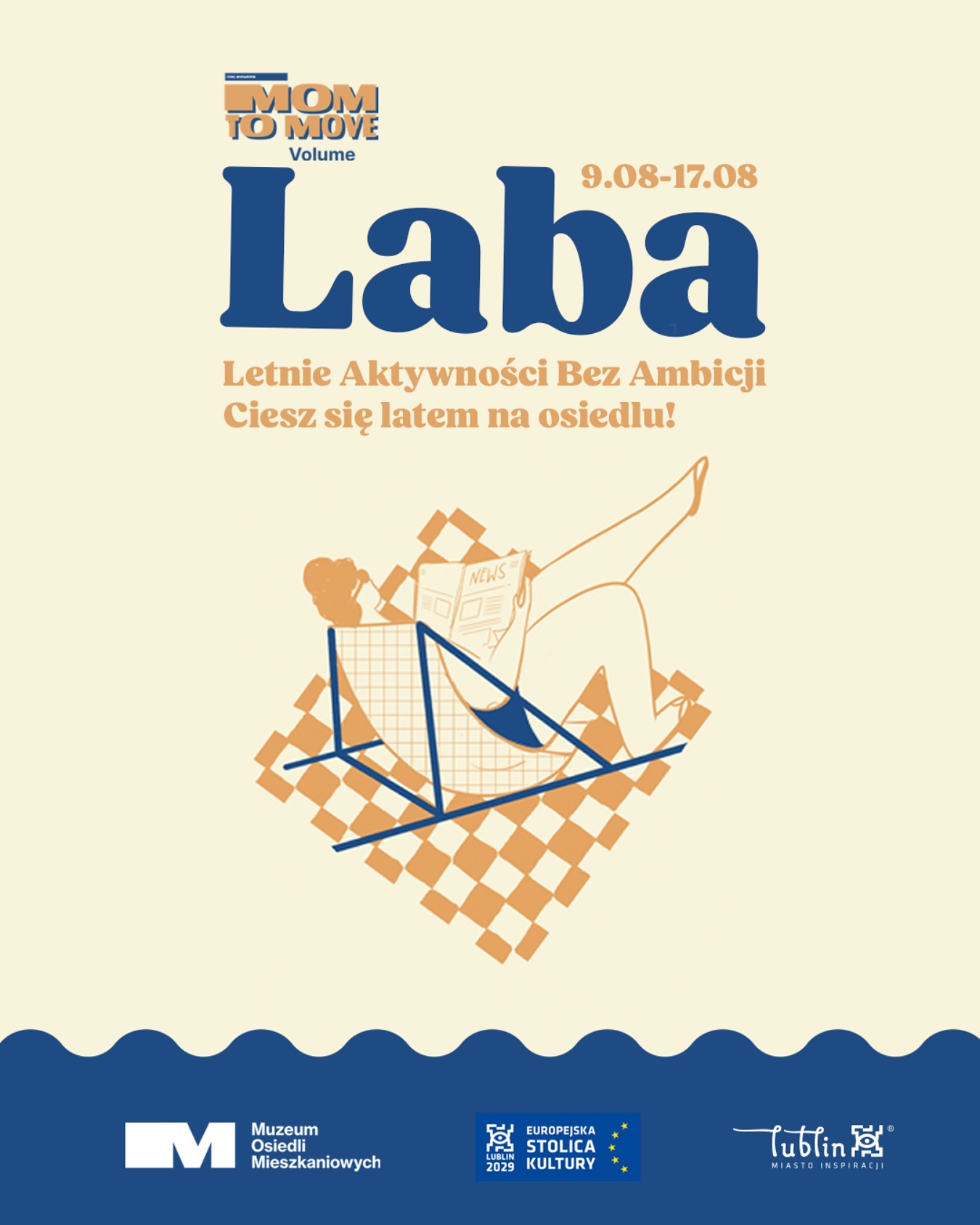
LABA – Summer Activities Without Ambition

No deadlines, no rankings, no pressure. This August, in the Słowacki housing estate in Lublin, LABA kicks off – Letnie Aktywności Bez Ambicji (Summer Activities Without Ambition) – a week-long series of community and cultural events celebrating lightheartedness, neighborhood togetherness, and a holiday break from productivity. Although LABA grows out of the rhythm of a single neighborhood, it welcomes everyone who feels like spending a summer without stress – no matter their address.
A series of community-oriented activities, “Thinking with Architecture”, held in Lublin’s districts, in the shared spaces between apartment blocks and community gardens.
LABA

The Museum of Housing Estates (MOM) invites you to join an event that deliberately avoids being big, spectacular, or groundbreaking. LABA is a proposal to return to simple forms of leisure, reminiscent of childhood, playing cards under the block, or quiet conversations over breakfast on the grass. LABA doesn’t aspire to fill the calendar with attractions. Instead, it leaves space to breathe – offering a place to simply be together. Aimless, yet meaningful.

Do it already!

The program opens on Saturday, August 9, with “Do it already!” – an afternoon for those who, for weeks (or even months), haven’t been able to find the motivation to send that overdue email, caption their photos, or finally finish that book. The organizers propose a collective session of catching up and supporting each other in overcoming procrastination.

Neighborhood breakfast on the grass

On Sunday, August 10, a neighborhood breakfast will take place on the lawn next to the Juliusz Słowacki monument – with blankets, homemade food, and plenty of space for conversation. At the same time, a neighbor’s market will be held at the nearby Wileńska square, where residents can exchange items from their basements, wardrobes, and cupboards. Although not intended as professional trade, symbolic sales are possible.

Card games, Film Club, and a marathon of ads

The following days will bring more activities, including a card game night (Monday, August 11), a Film Discussion Club based on old TV programs and a marathon of 1990s commercials (Tuesday, August 12), a “countries and cities” tournament and lazy deckchair reading with magazines (Saturday, August 16), as well as coffee brewing without complexes (Sunday, August 17) – where everyone is invited to bring their favorite beans and brewing method, sharing taste and experience at a common table.

A summer without pressure

“LABA is our protest against the compulsion for perfection and productivity. It’s an alternative to Pinterest-style holidays. We want to create events that you can join not because you have to, or because you should, but simply because you want to – without pressure,” says Paulina Mazurek from the [SEE HOW] Collective, co-creator of the program’s concept.

Magicians from Lublin at Castle Square in Warsaw

By News

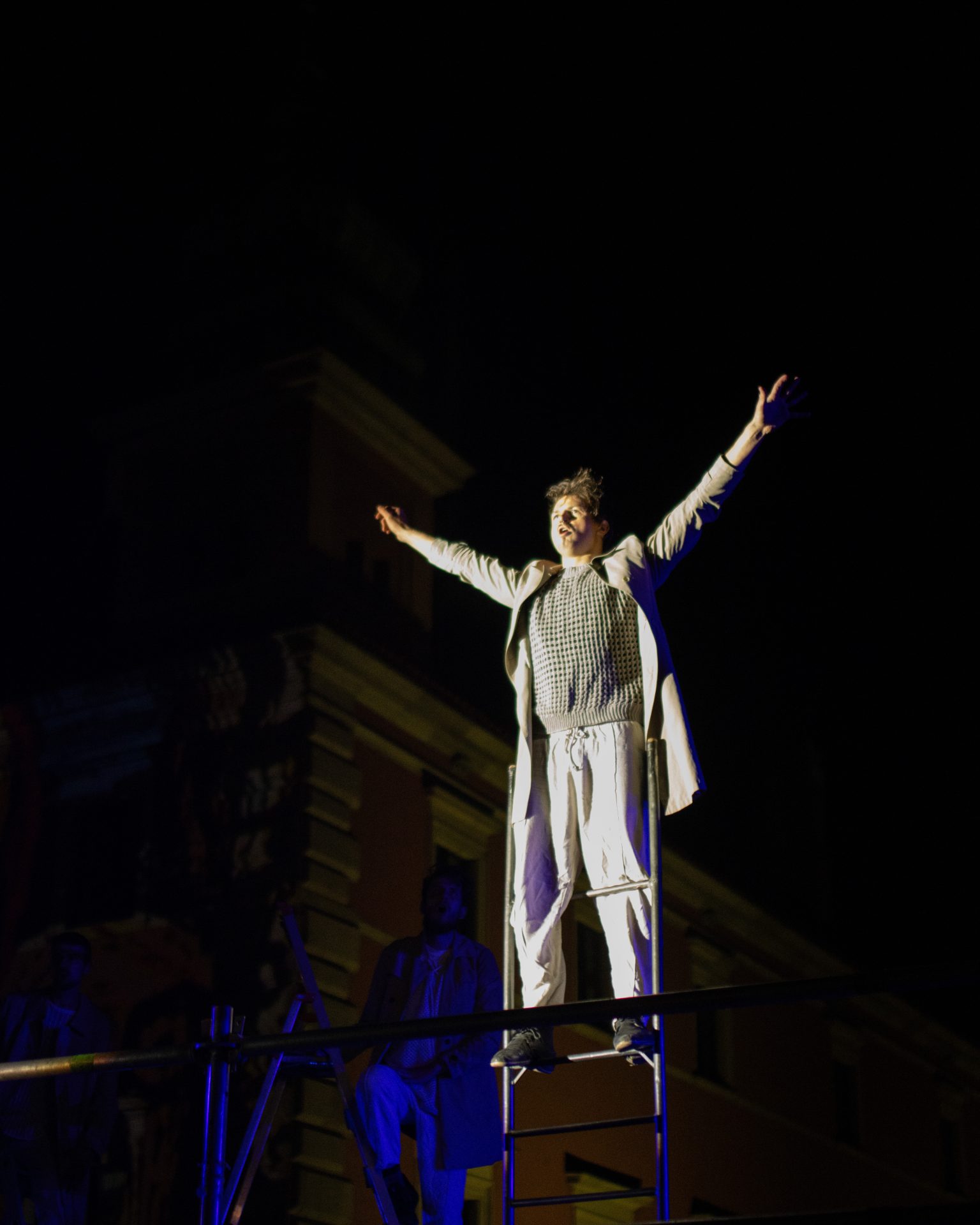
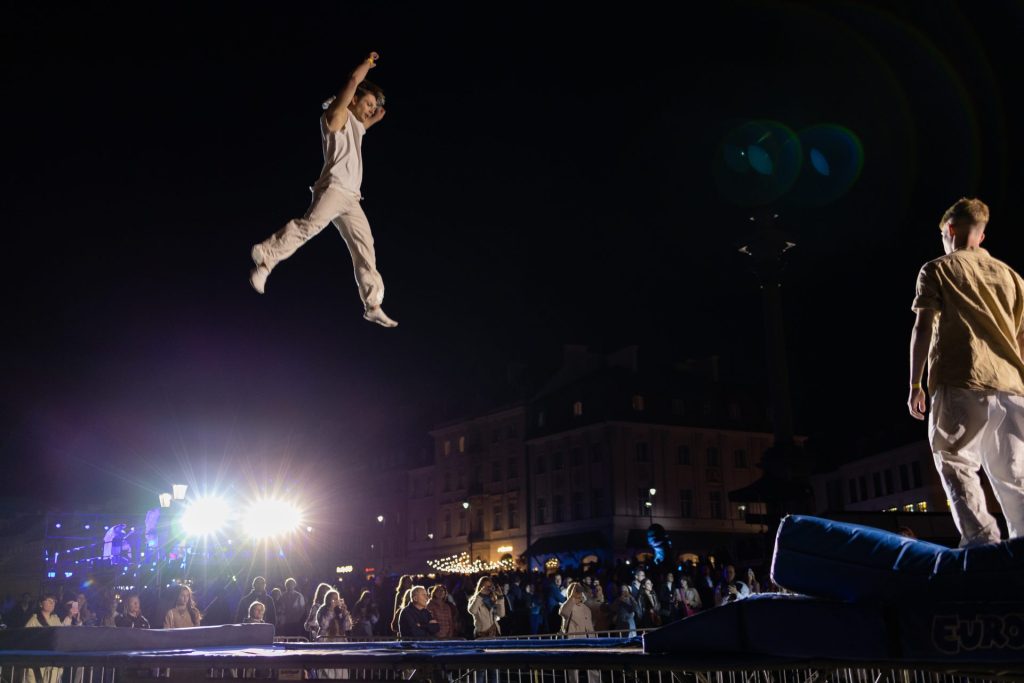
On August 24, 2025, Ukraine’s Independence Day, a unique open-air performance took place at Castle Square in Warsaw, attracting more than 30,000 spectators.

It was a large-scale, multimedia, Polish-Ukrainian performance combining theatre, music, circus, and visual arts. The project was created within the framework of Lublin 2029 RE:Union and stood as an act of protest against Russian aggression, the indifference of some Western leaders, and the growing influence of propaganda.

The co-creators of the event included Vladislav Troitski (artistic curator), Dakh Daughters, Anna Basova, Maksym Demskyi, ГОГОЛЬFEST, as well as the Magicians from Lublin Foundation with the team of Super Magicians, who brought energy, courage, and mastery of contemporary circus arts to the project.
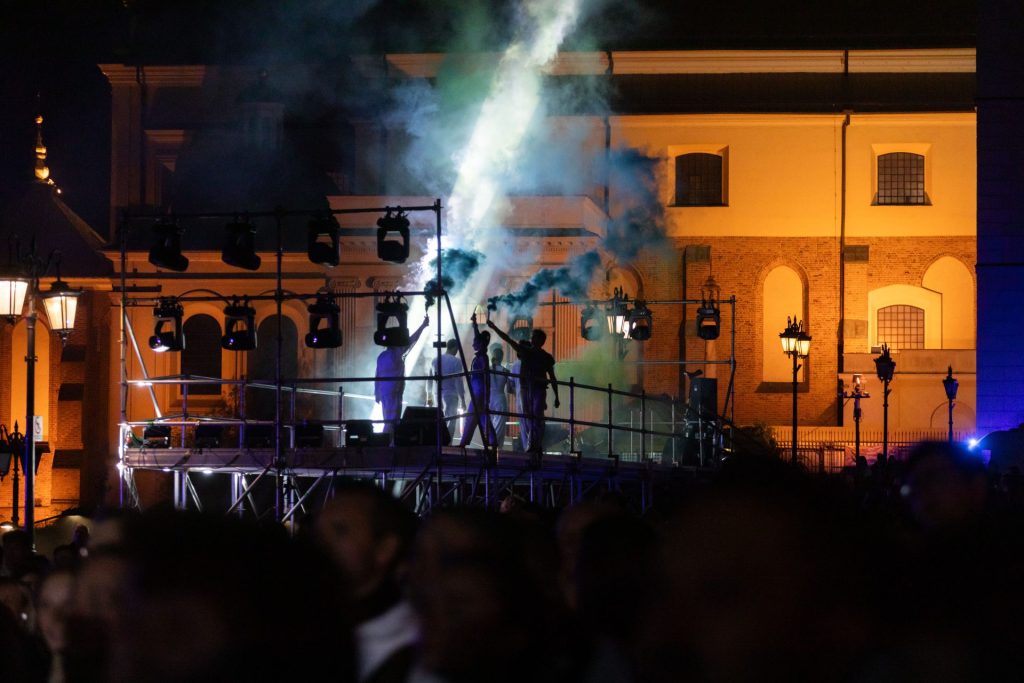
This event was not only an artistic experiment but, above all, a gesture of solidarity and support – an attempt to offer courage, hope, and comfort in the difficult time of war.

Prologue: Magicians from Lublin – The First Journey of the Magicians
In partnership with GogolFest
Warsaw, August 2025

Social Space of Cultural Resilience 2025

By News

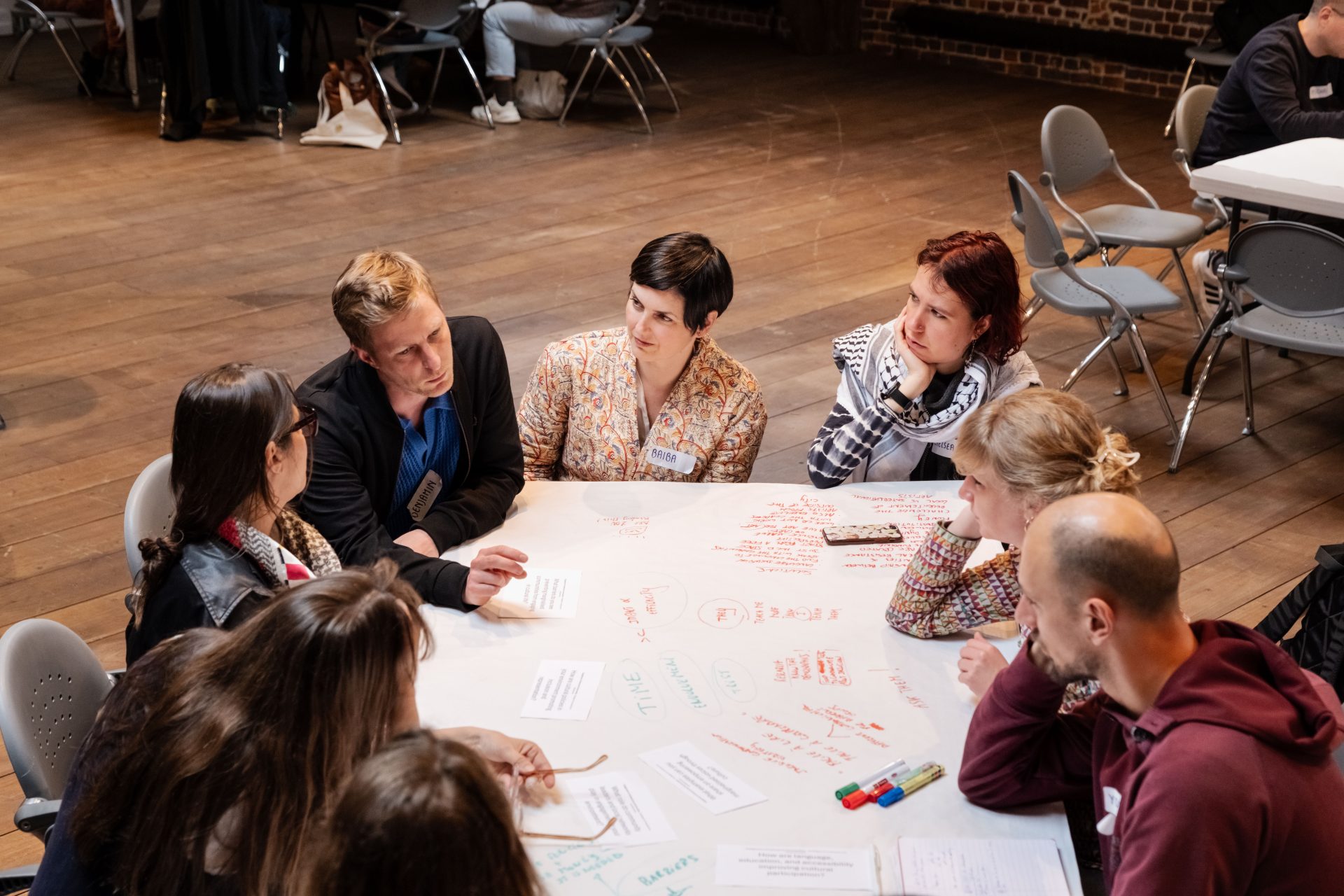
The Social Space of Cultural Resilience is both a process and a set of practices in which art and culture become tools for strengthening social resilience. Built on an ethics of care, the project is oriented towards supporting relationships, counteracting burnout, systemic actions in the area of safe spaces, and the development of collective practices – all with the perspective of building a true community. The integration of art, curatorial practice, and interdisciplinary academic research supports the creation of a flexible model of the Social Space.

In 2025, we are developing this process through consultations and substantive meetings with partners and experts. We are working in partnership with the Cluj Cultural Centre (Cluj-Napoca, Romania) within the framework of the Re:Form. Experimental programme for rethinking work. We are also partners of Namur 2030 (Belgium) in the Fragilities project. We are preparing the first networking seminar with the participation of Polish artists and researchers, including Katarzyna Kania and Marta Wołowiec. In 2025, we held several co-creation sessions with experts, including Elvira Rilova (curator, ECoC consultant for Las Palmas 2031), Rarița Zbranca (Programme Director of the Cluj Cultural Centre, researcher at Babeș-Bolyai University in Cluj, participant of the European Research and Innovation Day 2025), and Katarzyna Zielińska (Co-Director of zusa gGmbH, focusing on supporting mental health). Representatives of the Lublin 2029 team participated in international seminars and congresses such as the Resistant and Resilient Congress. We are in ongoing consultations with European Capitals of Culture and candidate cities (including Oulu, Bourges, Budějovice, Tartu, Leuven, Lviv, Molenbeek, Wrocław, Skopje, Leeuwarden) on issues of sustainable organisational structures, combating inequalities in cultural work, and democratising the ECoC process. We conduct in-depth conversations about how cultural teams and organisations can build resilience, agency, and support networks.


The project grows from the belief that lasting social resilience is born from practices of cooperation and care. That is why we are creating a space for the exchange of experiences between artists, researchers, and activists, while also amplifying the voice of cultural workers through dialogue with watchdog organisations concerned with labour rights and independent initiatives to improve working conditions in culture. The Social Space of Cultural Resilience is an open laboratory – a process based on relationships and experimentation with new models of work, where art becomes a field for testing community practices and, at the same time, a tool for systemic change.