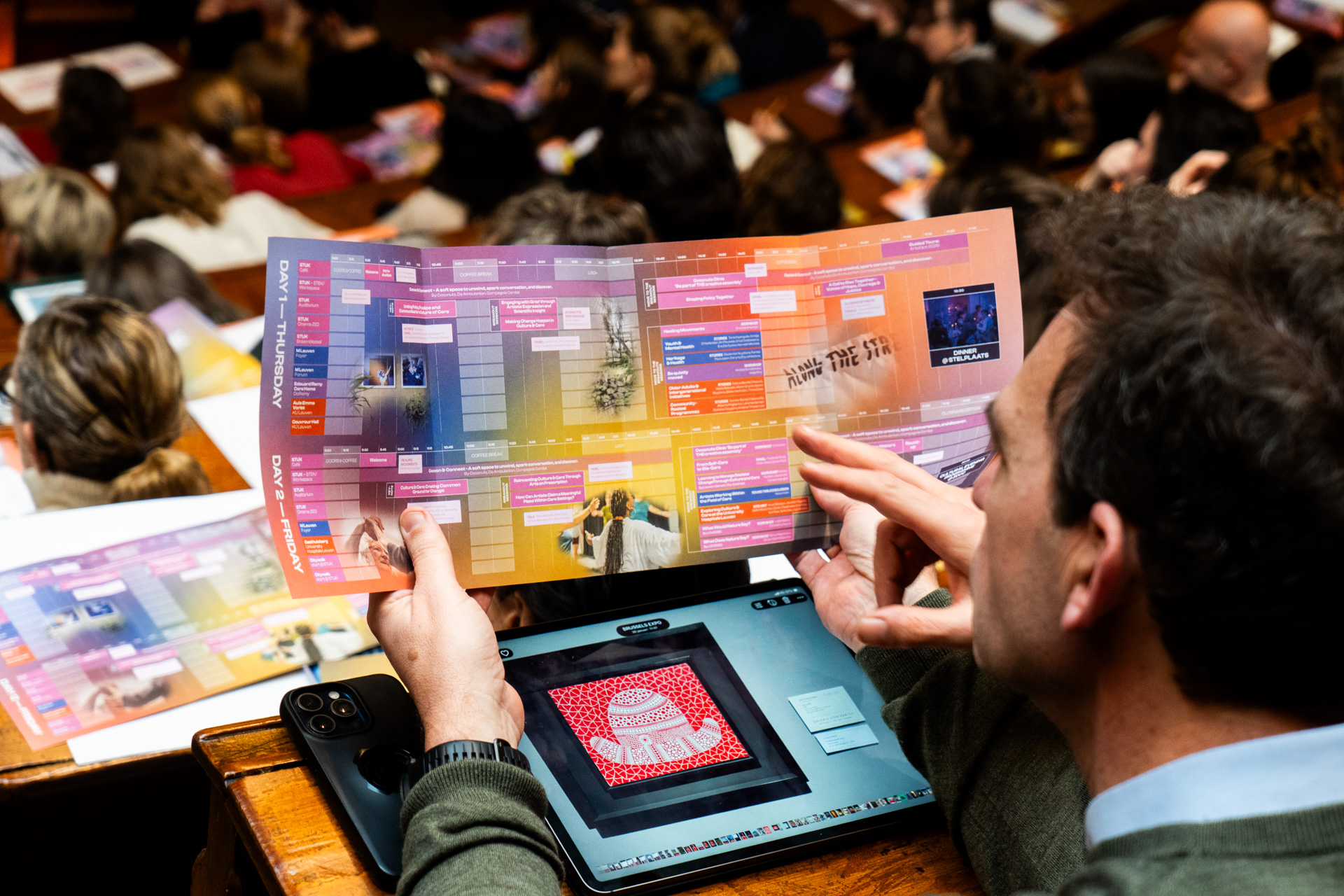
Culture and care are fields that nourish and reinforce one another. It is no coincidence that they came together in Leuven, the Flemish city that will hold the title of European Capital of Culture 2030. On 26-27 February 2026, Leuven hosted the international conference Culture & Care: A Joint Call for Change, devoted to the relationship between culture and care systems and to the role of the arts in fostering wellbeing and social resilience. It was a lively and emotionally engaging gathering of professionals from the fields of culture, healthcare, academia, and public administration from across Europe.
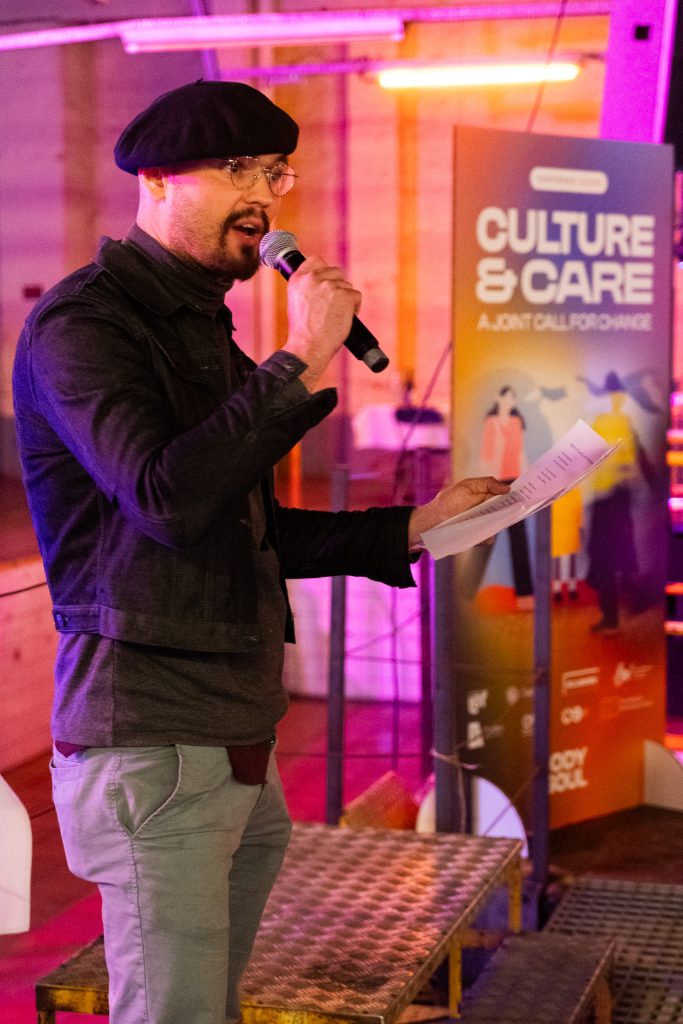 Discussions focused on culture as an ecosystem connected with care and empathy, an instrument that supports mental health, strengthens social relationships, and builds community. Particular attention was given to models of cross-sector cooperation, including the increasingly popular European initiative known as Arts on Prescription. Participants also reflected on the need for systemic solutions within public policies. This point was strongly emphasized by Caroline Gennez, the Flemish Minister for Welfare and Poverty Reduction, Culture and Equal Opportunities. The very scope of her ministry illustrates how closely culture is integrated into the social sphere.
A particularly moving moment of the programme was the address by Izzeldin Abuelaish, a physician from Gaza who has been nominated five times for the Nobel Peace Prize. His tragic life experiences have become a powerful impulse for advocating peace, reconciliation, and forgiveness. The conference also included an important postcolonial perspective, particularly relevant in the Belgian context, expressed in the poetry of Tawona Ganyamatopé Sitholé and in the reflections of Congolese artist Junior Akwety.
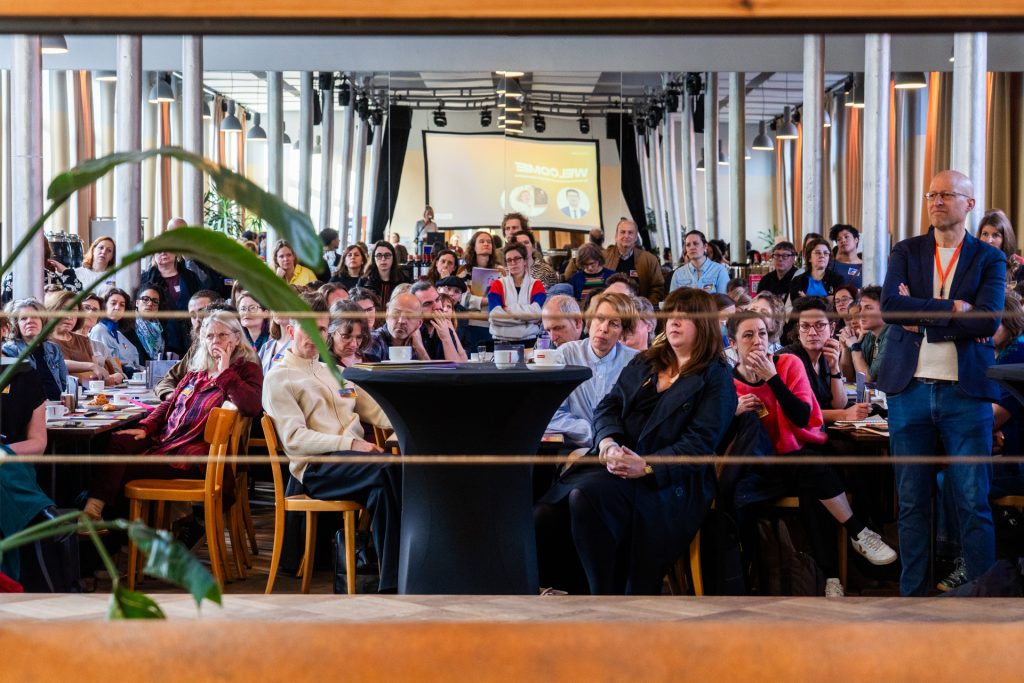 Alongside inspiring speeches, substantive debates, shared dances, and sound journeys to the Botanical Garden, participants took part in study visits to places where culture and care intersect in practice, including the University Hospitals Leuven. Creative initiatives such as dance doctors, the Muze & Art programme in the children’s hospital, music therapy, and the newly established library centre have a calming and supportive impact on patients’ wellbeing, an effect confirmed by research. The conference demonstrated how crucial it is to strengthen initiatives that connect culture, resilience, and social responsibility.