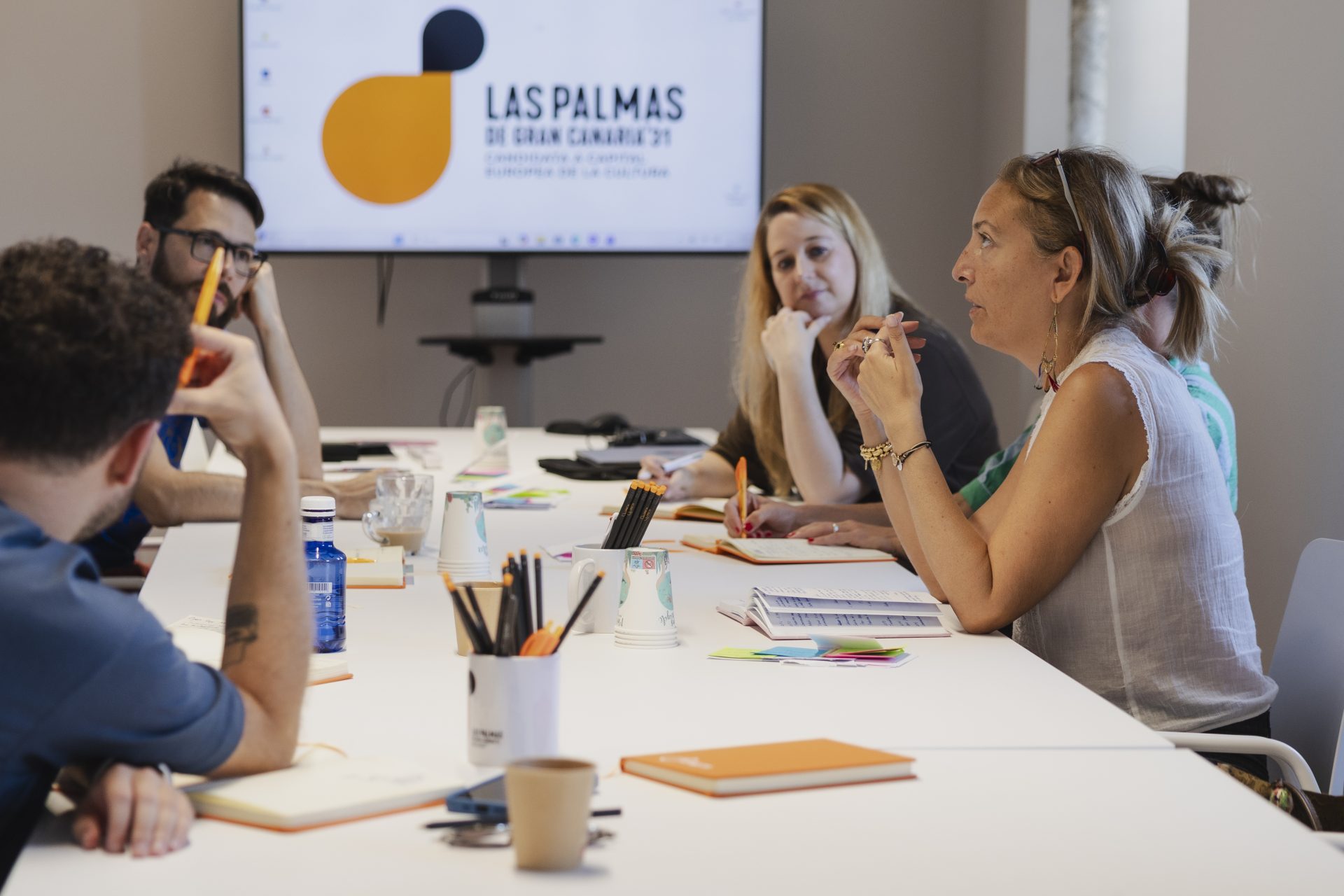
What if Europe began to view things from the perspective of its outskirts? This question was the starting point to discussions during the “Geographically Rebellious Capitals Network”. In this meeting also participated the representatives of European Capital of Culture Lublin 2029.
The “Geographically Rebellious Capitals Network” initiative was founded out of need to create a cooperation space for cities, whose geographical location and geopolitics lead to specific challenges. This includes mainly island cities, cities on the outskirts, outlying political, economic and cultural cores of Europe, as well as places affected by aftermath of political conflicts, international tensions and wars. The main objective was abandoning the perception of peripherality solely as a constraint and recognising it as a source of knowledge, innovation and new European collaboration models.
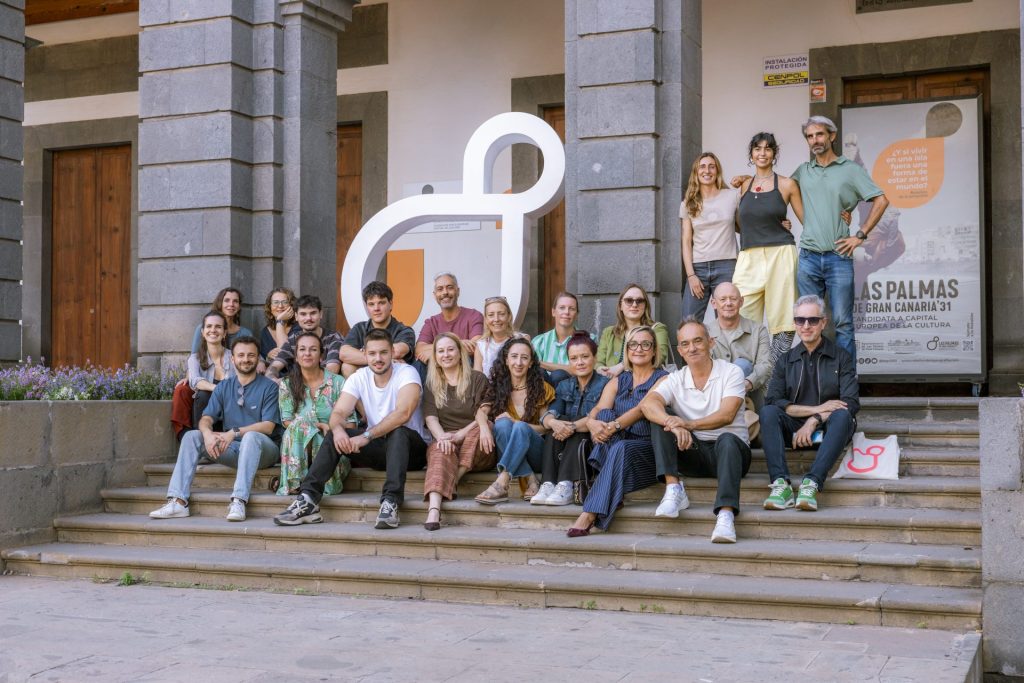
In the meeting participated representatives of six cities: Larnaca (Cyprus), Kiruna (Sweden), Victoria on the island of Gozo (Malta), Lublin, Heerlen (The Netherlands) and Burgas (Bulgaria), as well as a representative of the Culture Action Europe network. The event was hosted by the representatives of the Las Palmas de Gran Canaria 2031 team.
Different geography, shared challenges
The first day of the meeting was dedicated to learning about the idiosyncrasies of particular cities and recognising shared experiences. The participants introduced their cultural identity, potential and challenges stemming from the geographic location and socio-political situation.
Among the main topics were insularity and peripherality, mobility and transport accessibility limitations, climate change, depopulation and migration, local and European identity, access to culture and public services, as well as health, care and wellbeing of the community.
These discussions led to a perception of geography not only as a determining factor of a city’s development, but also a part of its identity, which may lay the groundwork for a different narrative and international cooperation.

During the workshops, the group identified six main areas, which could become the foundation for future initiatives. They concern mobility, migration and integration; neighbourhoods, local communities and the relationship between town and country; support for those working in the cultural field and community resilience; fostering a sense of belonging and creating places to live; borders, frontiers and geopolitical infrastructure and colonialism, exploitation and structural inequalities.
From relationships to action
The second day of the meeting focused on implementing shared ideas into tangible opportunities for collaboration. The importance of mutual support, trust, care and the exchange of experiences was emphasised, as was the significance of building relationships that go beyond formal project partnerships. The participants discussed various rules of the functioning of the network, its priorities and methods of collaboration. They also touched upon the possibilities of further collaboration in the upcoming years of 2027-2028, including pilot studies and the potential sources of their funding.
The meeting also was the first step towards creating a new platform for international cooperation. After the results of the selection of the Spanish cities running for the title of European City of Culture 2031, further discussions are to be held.
What does this initiative mean for Lublin?
The participation of Lublin in the meeting is a significant element of building international relationships of European Capital of Culture 2029 and enhancing the European dimension of the RE:UNION programme.
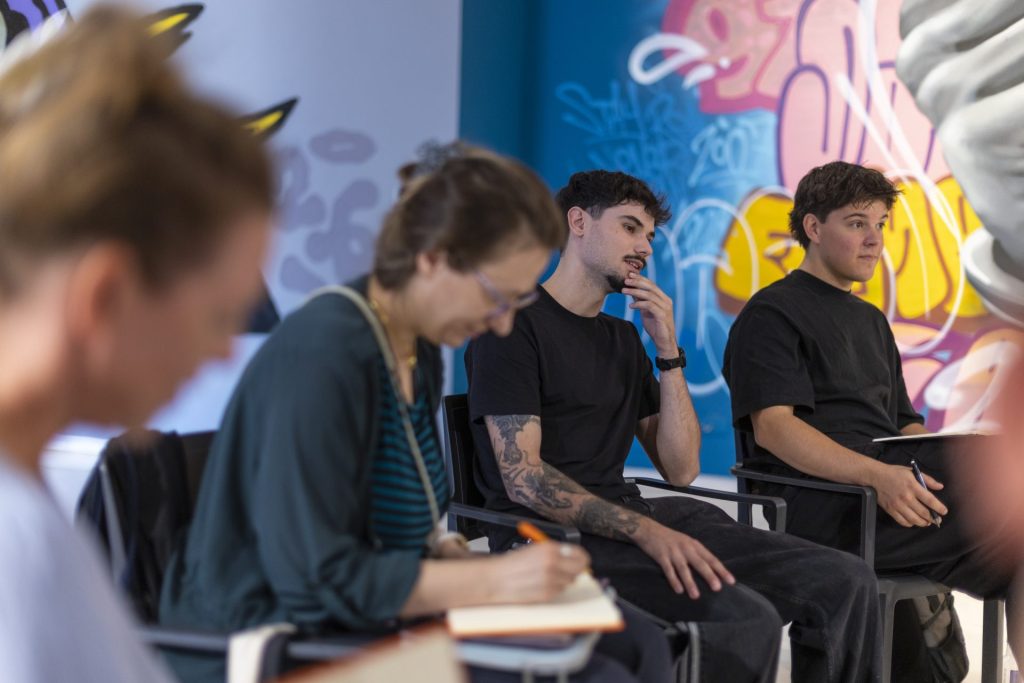
Lublin, just like other cities partaking in the initiative, functions away from Europe’s main political and economic centres. Its location in Eastern Europe, proximity with the Ukrainian border and experiences related to consequences of a full-scale war, provide significant context for the development of this collaboration.
At the same time, the character of Lublin extends beyond the conventional understanding of geographical peripherality. This city intertwines various cultures, traditions and historical experiences, and its location can be considered in the context of relations between Eastern and Western Europe, security, social resilience and the contemporary challenges which democracy faces.
Lublin’s experiences linked to support of the Ukrainian community, building solidarity and developing culture as an infrastructure of social relationships could be of immense importance to the functioning of the network. In turn, cooperation with island and northern cities may provide a broader perspective on issues relating to isolation, climate change, depopulation, accessibility and the relationship between the centre and the periphery.
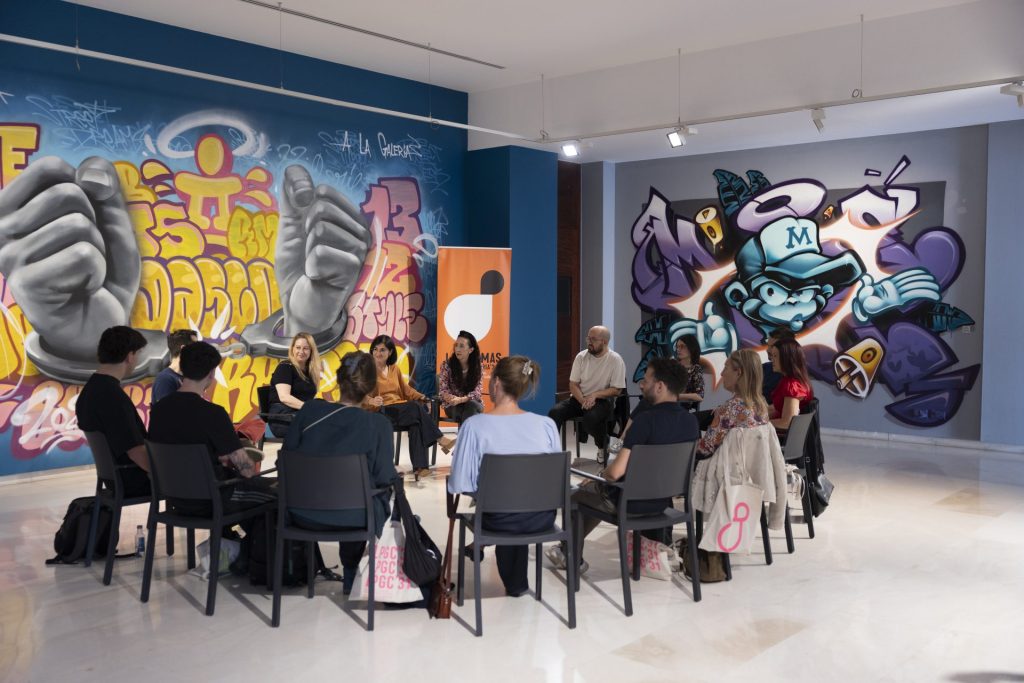
The initiative also creates the possibility of building partnerships, which could become the basis of new artistic, research-related and educational projects, the exchange of knowledge and experience, and cooperation within European programmes.
Participation in ,,Geographically Rebellious Capitals Network” enables Lublin to shape a new space for cooperation between European cities, rather than simply joining existing structures. It’s of vital importance in the context of building lasting international heritage of the European Capital of Culture Lublin 2029.
The meeting “Geographically Rebellious Capitals Network” in the Spanish Las Palmas de Gran Canaria took place from the 3rd to 4th of November 2026.
Translated by: Agnieszka Maćkowiak, Arkadiusz Piwowarski