In recent years, European Capitals of Culture have seen at least a 30% increase in visitor interest. The successes of cities such as San Sebastián, Matera, Liverpool, Glasgow, and Wrocław are impressive, and they clearly signal a real opportunity for Lublin as well. Especially considering forecasts for Poland, which suggest that by 2030 the number of visitors could reach 140 million. One thing is certain: the work has to start today.
For Lublin, a 30% increase in tourism would translate into roughly 811,000 additional visitors (based on 2025 data). Research from other European Capitals of Culture shows that these visitors are primarily drawn by the ECoC brand and curiosity about the city, but also include audiences attending cultural events, who tend to stay longer and engage with the city’s broader tourist offerings. At every step, we hear what we already know well: this is a segment worth investing in – and worth doing so early.
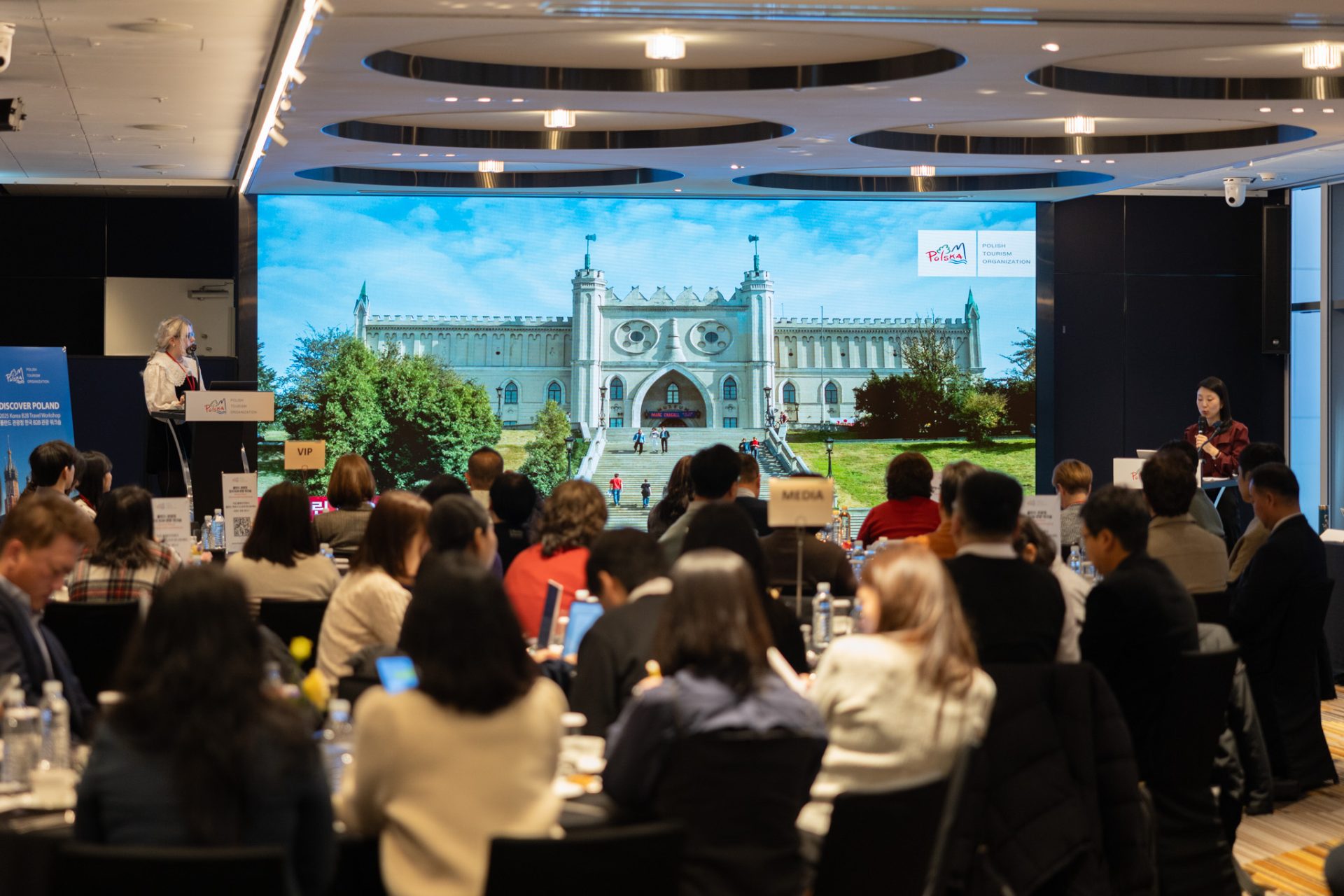
photo: Maciej Rukasz
So far, together with LOT Metropolia Lublin, we have visited Rome and Lyon, participated in major tourism fairs, and held local meetings. We’ve told the story of Lublin, shared the city’s cultural offerings, and outlined our plans for 2029.
In December 2025, thanks to an invitation from LOT Metropolia Lublin and the Polish Tourism Organization, we set off for Asia. The first day of the joint trip with Maciej Rukasz from Lublin 2029 and Krzysztof Raganowicz from the Local Tourism Organization Metropolia Lublin was filled with meetings with South Korean tour operators. Increasingly, they are factoring Central Europe into their planning, highlighting Poland as a destination seen on domestic markets as relatively “exotic,” yet safe and accessible. Growing cultural curiosity, combined with global travel trends, drives the need for diversification in their offerings. This is why Poland – and Lublin in particular – are appearing more often in catalogs of potential destinations. At the same time, we held discussions with representatives of travel comparison platforms, service providers, and industry associations representing travel agencies, which allowed us to place these observations in a broader, systemic market context.
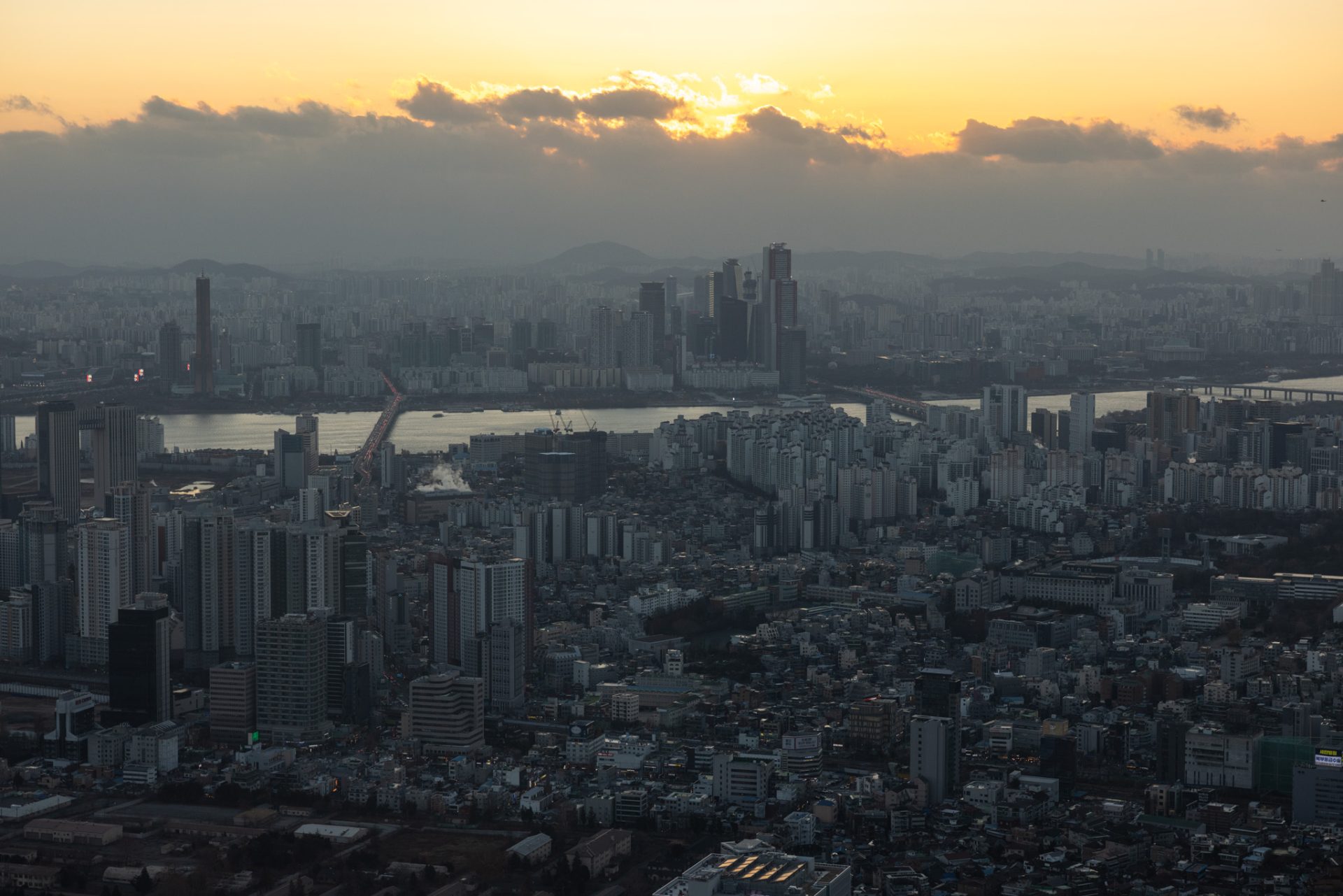
photo: Maciej Rukasz
It’s not about the “climate,” but about seasonality. Not about “atmosphere,” but about the scale of the city and the rhythm of its days. Korean partners are primarily looking for a coherent proposition – a city that knows who it is and how it inspires. For those designing travel programs, professionals who craft journeys based on meaning, timing, and client expectations, the intensity of the cultural program, the types of events, and accessibility – particularly cultural accessibility – are key. Following the example of seaside resorts, which communicate the number of sunny days in a year, we are increasingly measuring the number of days filled with cultural events. The city’s cultural program remains an element of its offer – in our case, a fundamental one. The first results of our work are already visible, although the full effect will be visible in 2 or 3 years.
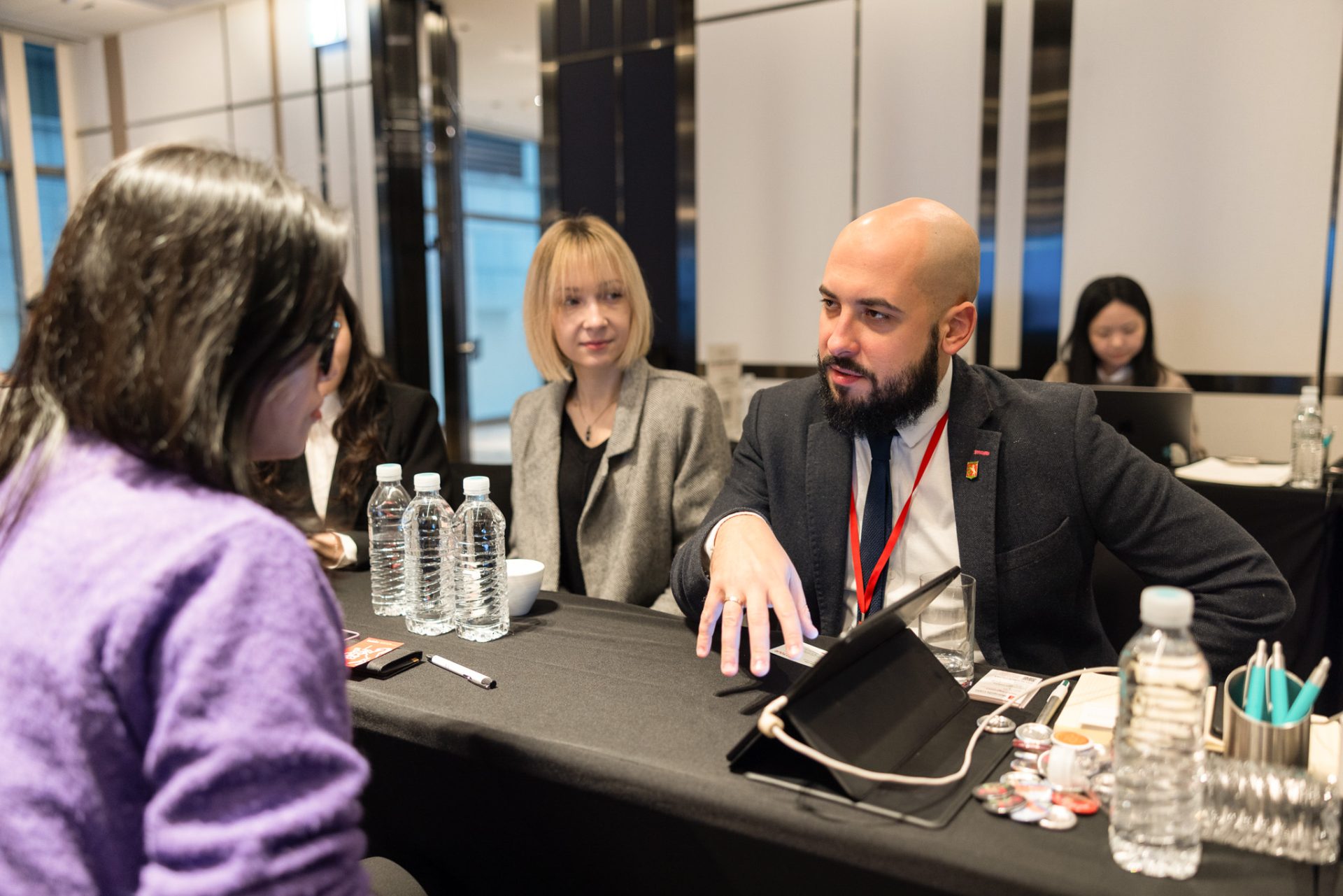
photo: Maciej Rukasz
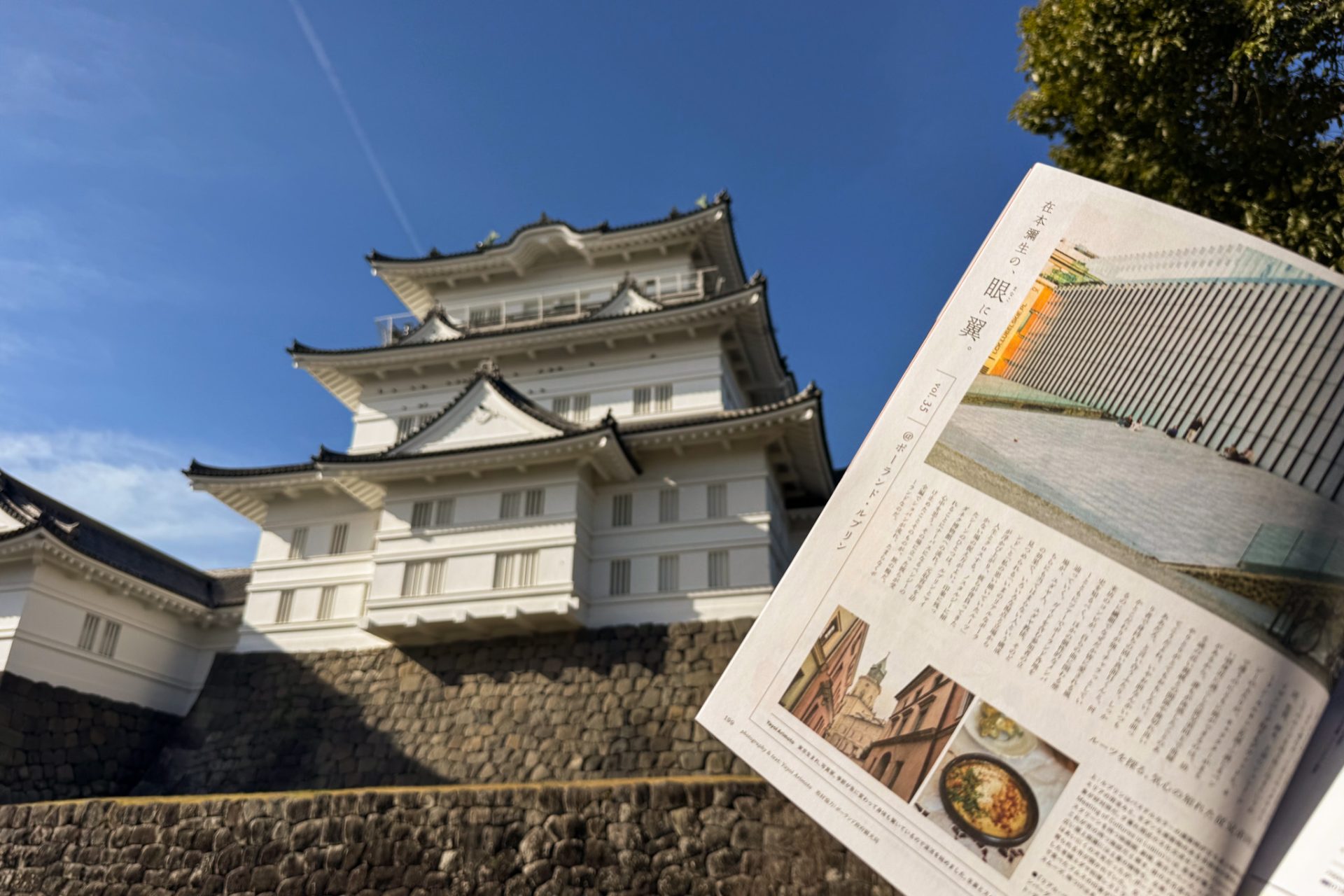
After two intense days in Seoul, we moved on to Japan, where the story of the European Capital of Culture program takes on a slightly different shape. These were already successive meetings with Japanese partners, who know Lublin, having visited it before – both through EU-Japan Fest and via Japanese journalists and content creators, resulting, among other things, in an article about Lublin in Madame Figaro. Here, we have more time for conversation. Beyond meetings with the Polish Institute and the Overseas Branch of the Polish Tourism Organization, we spend many hours at YPAM – the Yokohama Performing Arts Meeting. This was our second time in Yokohama. Meetings continue, and discussions about collaboration become more concrete. Our focus is on artist mobility programs, collaboration networks, and the exchange of ideas. In this environment, Lublin operates not as a “city to visit,” but as a potential partner. Cultural tourism becomes a natural outcome of the city’s presence in the international art circulation.
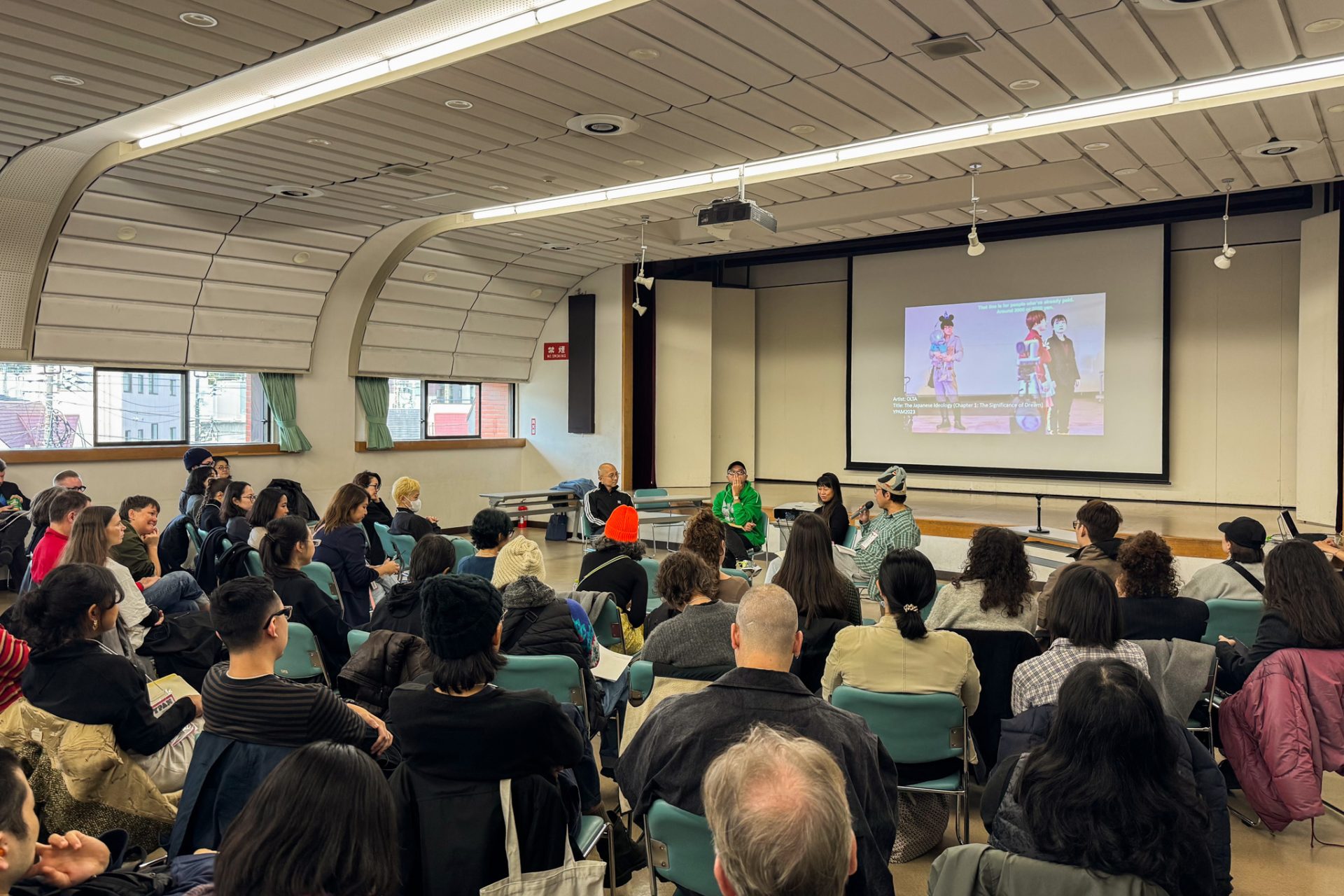
photo: Maciej Rukasz
A European Capital of Culture needs visitors not to boost statistics, but to enter the international exchange. Cultural tourism allows a city to step outside its own narratives and see if they make sense elsewhere. This is especially important in the context of Asia, where travel decisions to Europe are usually the result of a long process, rather than an impulse. The presence of artists from Korea and Japan plays an essential role in these decisions.
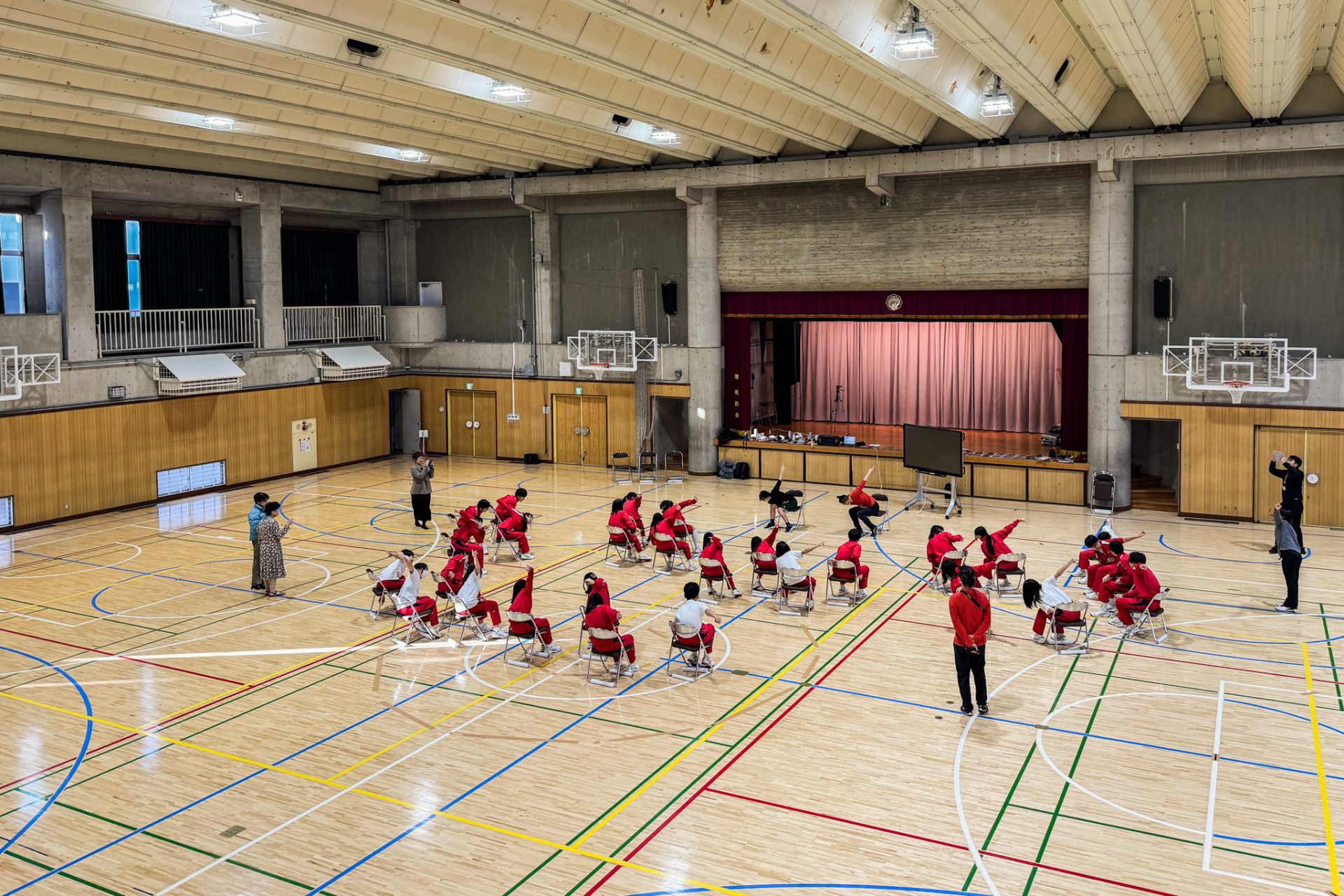
photo: Maciej Rukasz
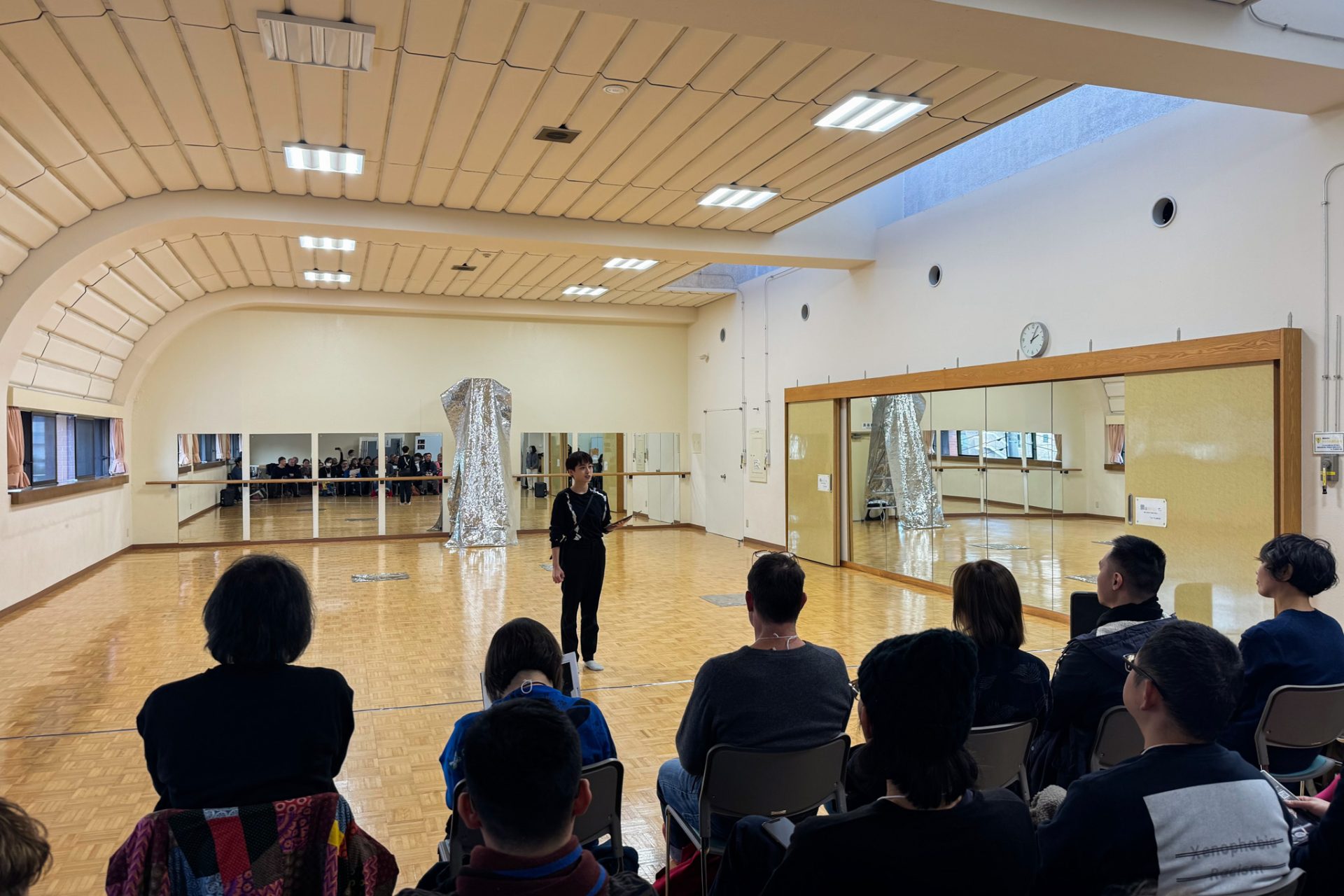
photo: Maciej Rukasz
We gathered extensive experience working with guests from Korea and Japan: the need for precise information, the importance of cultural context, the role of detail and preparation. Expectations of hosts are different, the pace of touring is different, the way questions are asked is different. This is knowledge you cannot gain from reports alone – it must be lived, sometimes through minor mistakes, in order to understand how not to repeat them.
We see the opportunities that the European Capital of Culture brings. We know that work on the hospitality program must start as early and as broadly as possible – beyond the city, beyond Europe, beyond the obvious circles of recipients. It is not about “being everywhere,” but about knowing where and why we appear.
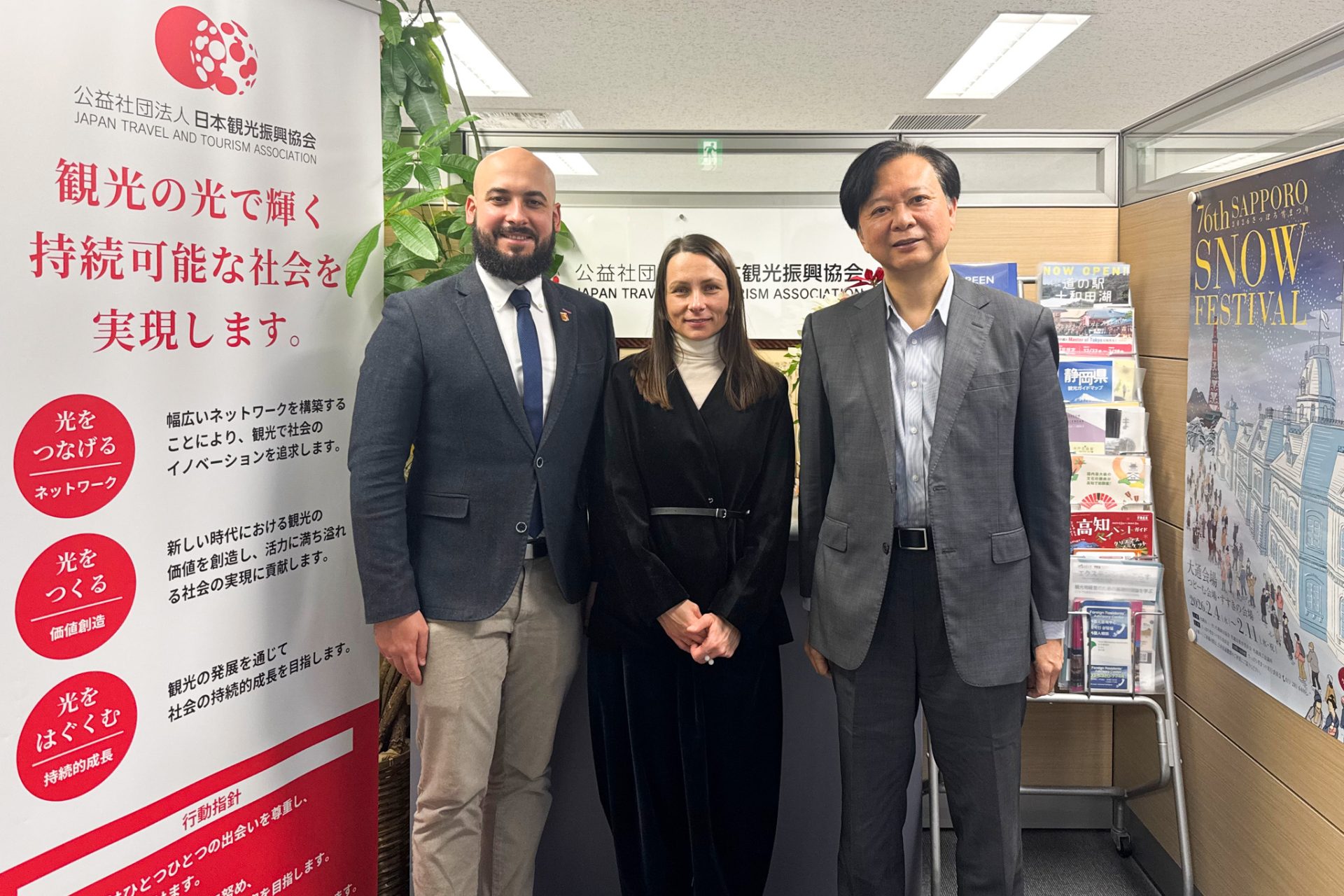
photo: Maciej Rukasz
Korea and Japan were and are not exotic add-ons to our map of activities. This visit was a test of whether Lublin can tell its story in a way that is clear, concrete, and compelling enough for someone to want to return to it.
photo: Maciej Rukasz