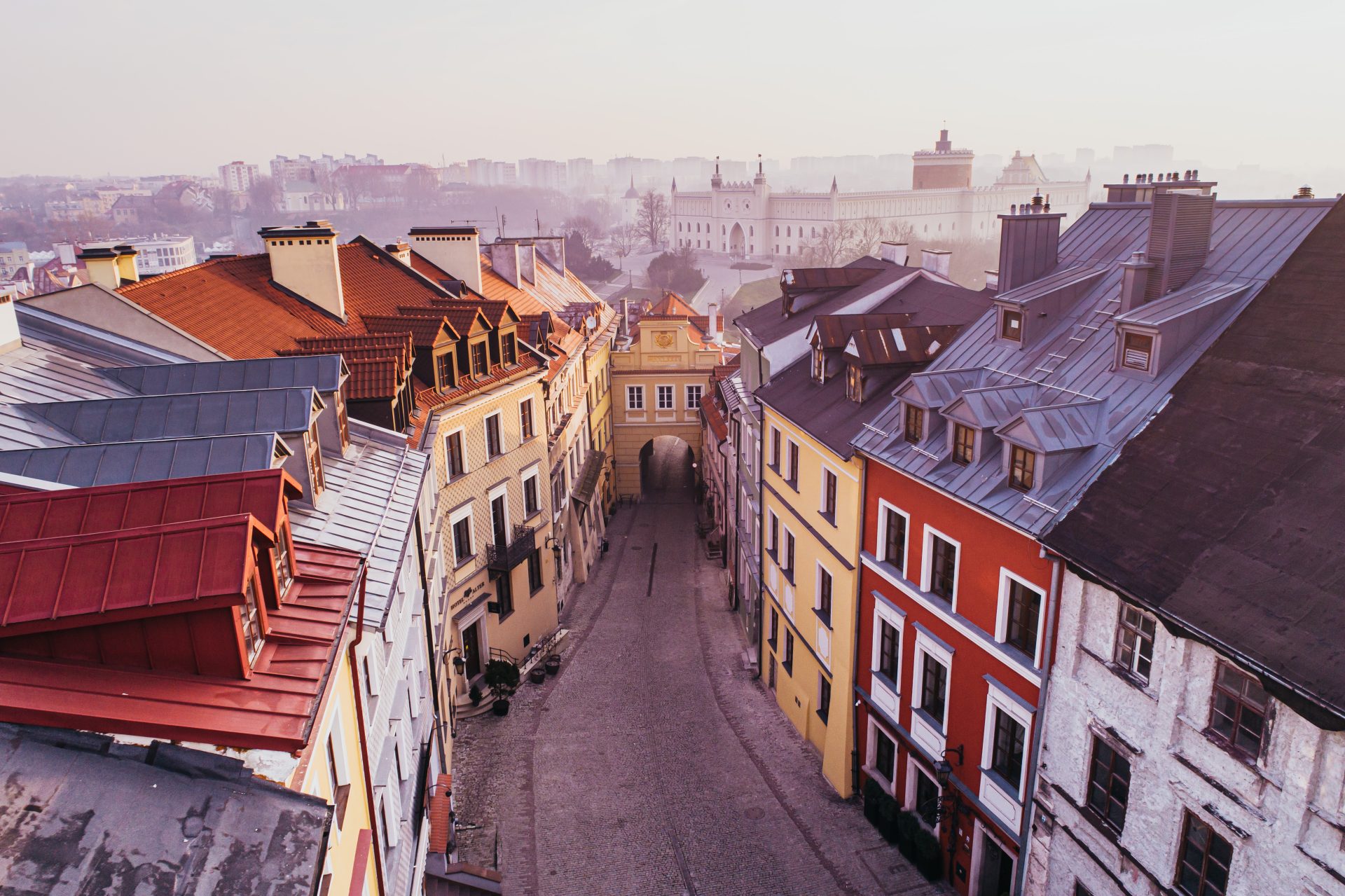
Why Japan is looking towards Lublin
Authentic Old Town streets, living traditions, cultural festivals and the rare luxury of space – Lublin is increasingly catching the attention of Japanese and other East Asian travellers looking beyond Europe’s crowded capitals. We were not surprised that except for Lublin we could hear beautiful stories of other ECoCs – Liepaja, Kiruna, Evora and Leuven.
Tourism EXPO Japan was drawing to a close while two Tokyo-based bloggers were wandering through Lublin’s Old Town, hoping to catch a glimpse of Ran Takahashi or Tomohiro Ogawa (two Japanese volleyball stars currently playing for Bogdanka LUK Lublin). What was definitely seen were last summer concerts and open workshops and a dozen lit up balloons possibly reminding them of the Aomori lantern museum.
They were among the latest group of Japanese visitors to discover the city well before it becomes European Capital of Culture in 2029. Our first conversations with Japanese organisations about bringing visitors to Lublin date back to December 2025. It is a small but important example of how interest in the city is beginning to turn into actual travel and engagement in culture.
For Lublin, East Asia is becoming an increasingly important part of the conversation about the city’s tourism and culture development.
pht. Maciej Rukasz
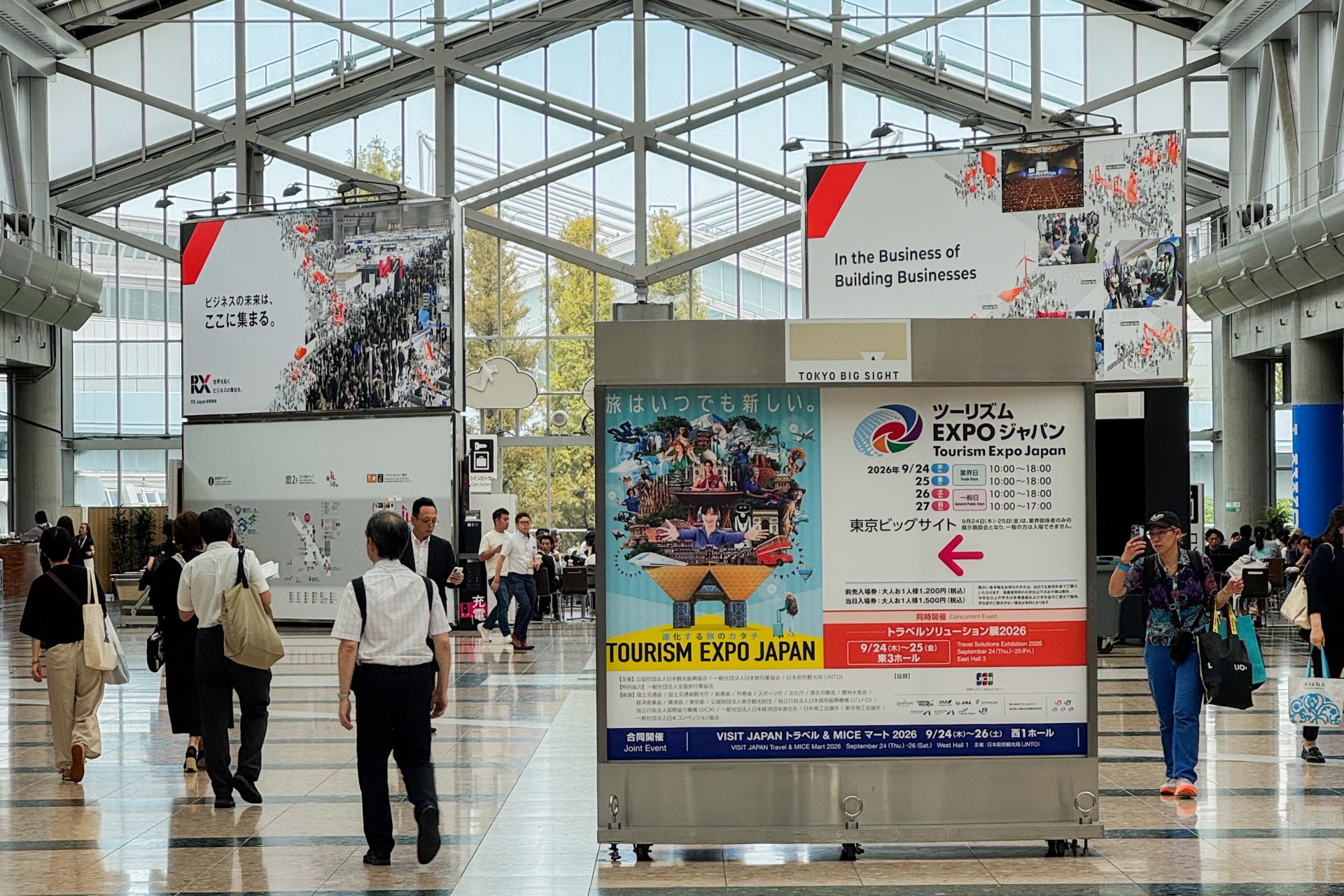
That conversation continued at Tourism EXPO Japan in Tokyo in September 2026, where Krzysztof Raganowicz (CEO of Lublin Metropolitan Tourism Organisation) and Maciej Rukasz (International Relations Manager for European Capital of Culture Lublin 2029) presented Lublin’s story and plans for 2029 at one of the largest tourism events in the region. Held at the spectacular Tokyo Big Sight, the four-day exhibition attracted more than 183 000 visitors, including major travel industry players, specialist tour operators, media and thousands of travellers. For a city the size of Lublin, the scale is impossible to ignore. Imagine more than half of Lublin’s population passing through a single exhibition, having the opportunity to hear about the “City of Inspiration” and the idea of Lublin 2029 – RE:UNION.
But the most interesting part of the Japanese connection is not the size of the audience. It is a surprisingly natural cultural fit.
A city Japan already knows
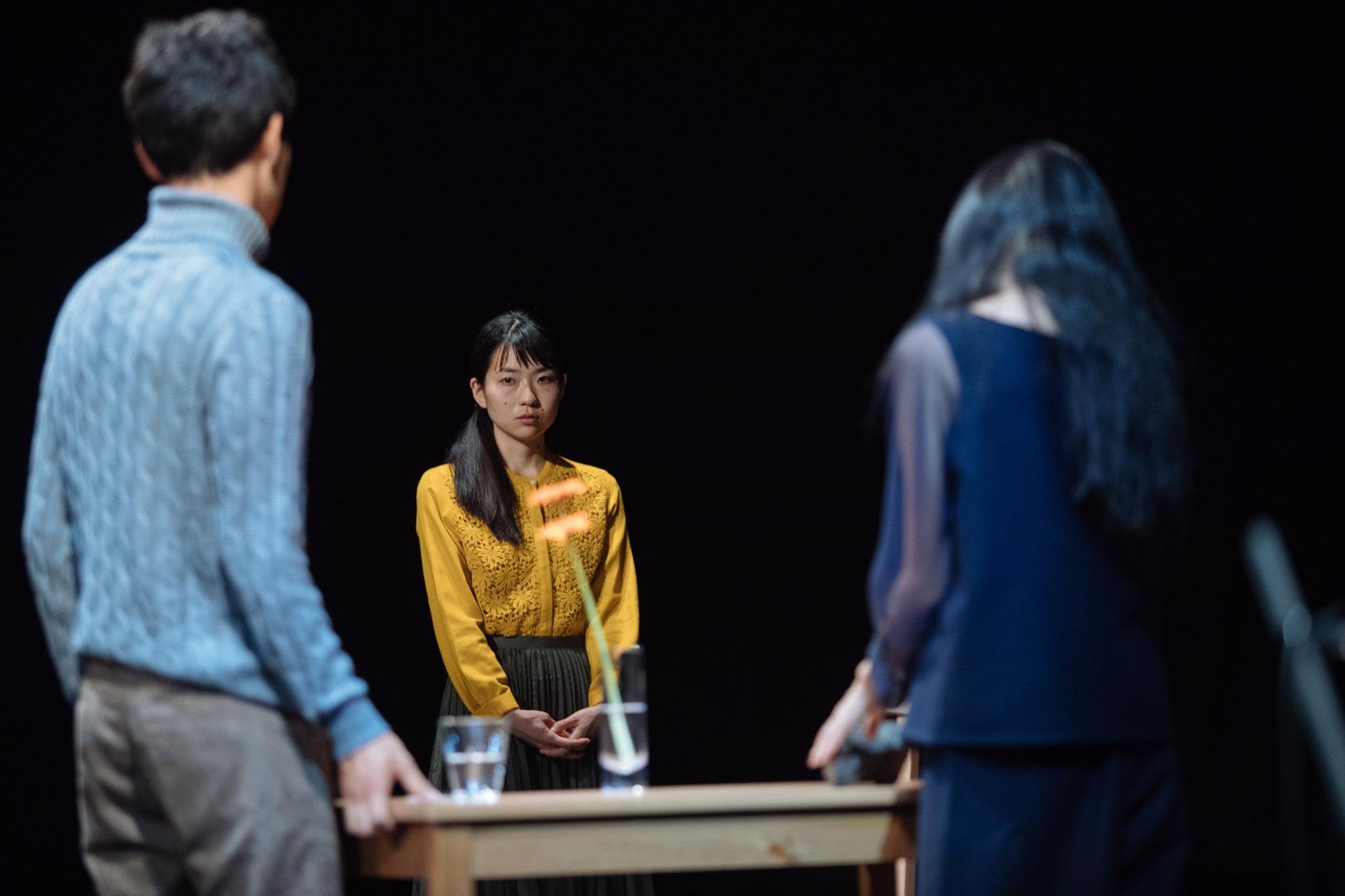
Lublin and Japan have for years been connected through culture. The city has welcomed performances by Toshiki Okada and Daisuke Yoshimoto as a part of the Konfrontacje Teatralne festival, while musicians including Otomo Yoshihide, Akira Sakata and the Shibusashirazu Orchestra have appeared on Lublin stages. The European Capital of Culture programme is also developing projects with the support of the EU-Japan Fest Committee.
pht. Maciej Rukasz
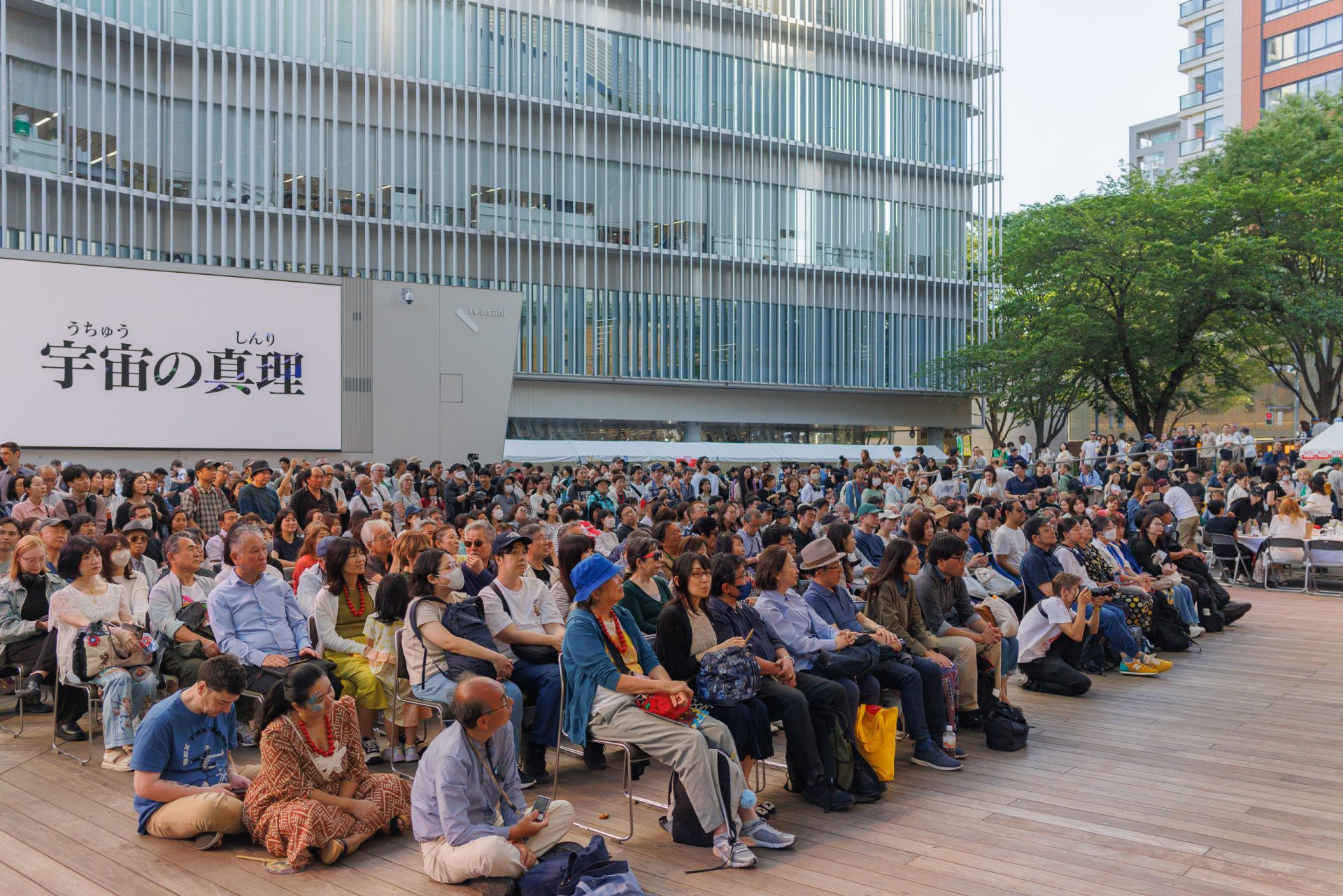
There are newer connections, too. Polish Institute in Tokyo actively supported the success of The Real Pain movie in Japan. At the same time a close relationship has developed with Japanese travel personality and actress Reika Kirishima through the work of Maria Orzeł, director of the Polish National Tourist Office in Tokyo (ZOPOT Tokio). Each year they co-organize the Polish Festival that brings thousands of spectators to experience Poland. This year Lublin sparked interest during that event as well.
pht. Maciej Rukasz
And now there are Ran Takahashi and Tomohiro Ogawa
The Japanese volleyball stars, whose social media following exceeds seven million, have brought a new audience to Lublin. Fans following their careers are already discovering not only the city’s volleyball scene but also its Old Town, festivals, restaurants and cultural attractions.
It is a quite vivid example of how international visibility does not necessarily have to begin with tourism. Sometimes it begins with a person, a performance, a film or a cultural relationship – and travel follows. This is a crucial observation for a European Capital of Culture and justifies the involvement and work behind it.
What Japanese travellers see in Lublin
Conversations with Japanese tour operators at Tourism EXPO Japan offered an interesting perspective on what makes Lublin attractive.
Japan has a strong culture of craftsmanship, attention to detail and appreciation of things made locally and carefully. Tour operators see a similar quality in Lublin’s approach to authenticity.
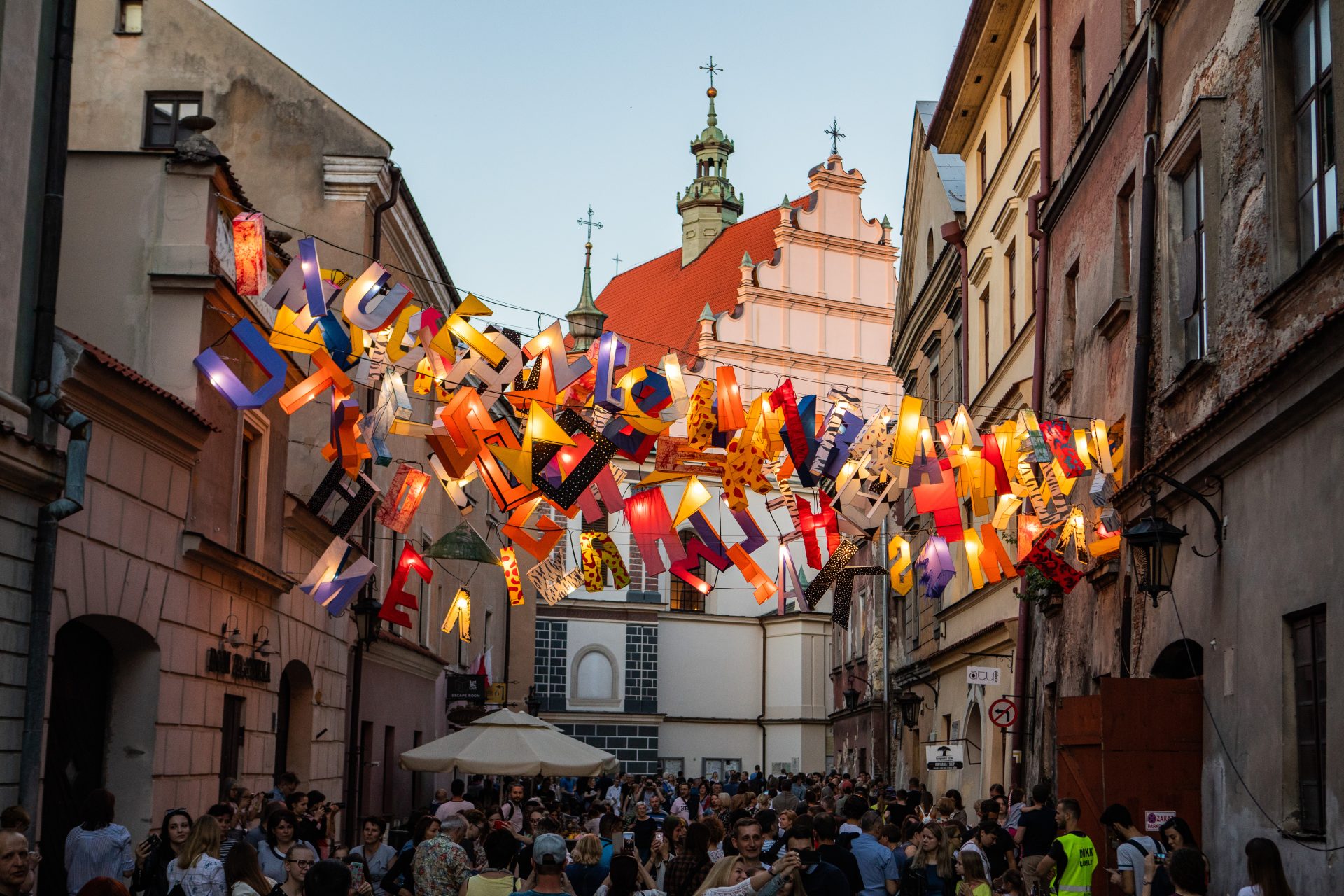
It can be found in something as simple as a traditional cebularz, the onion-and-poppy-seed flatbread that has become one of the city’s culinary signatures. It can be found in the Old Town, which remains a living part of the city rather than a stage set created exclusively for visitors. And it can be found in festivals and events where traditional crafts, music and local culture are still practiced rather than simply displayed.
pht. Maciej Rukasz
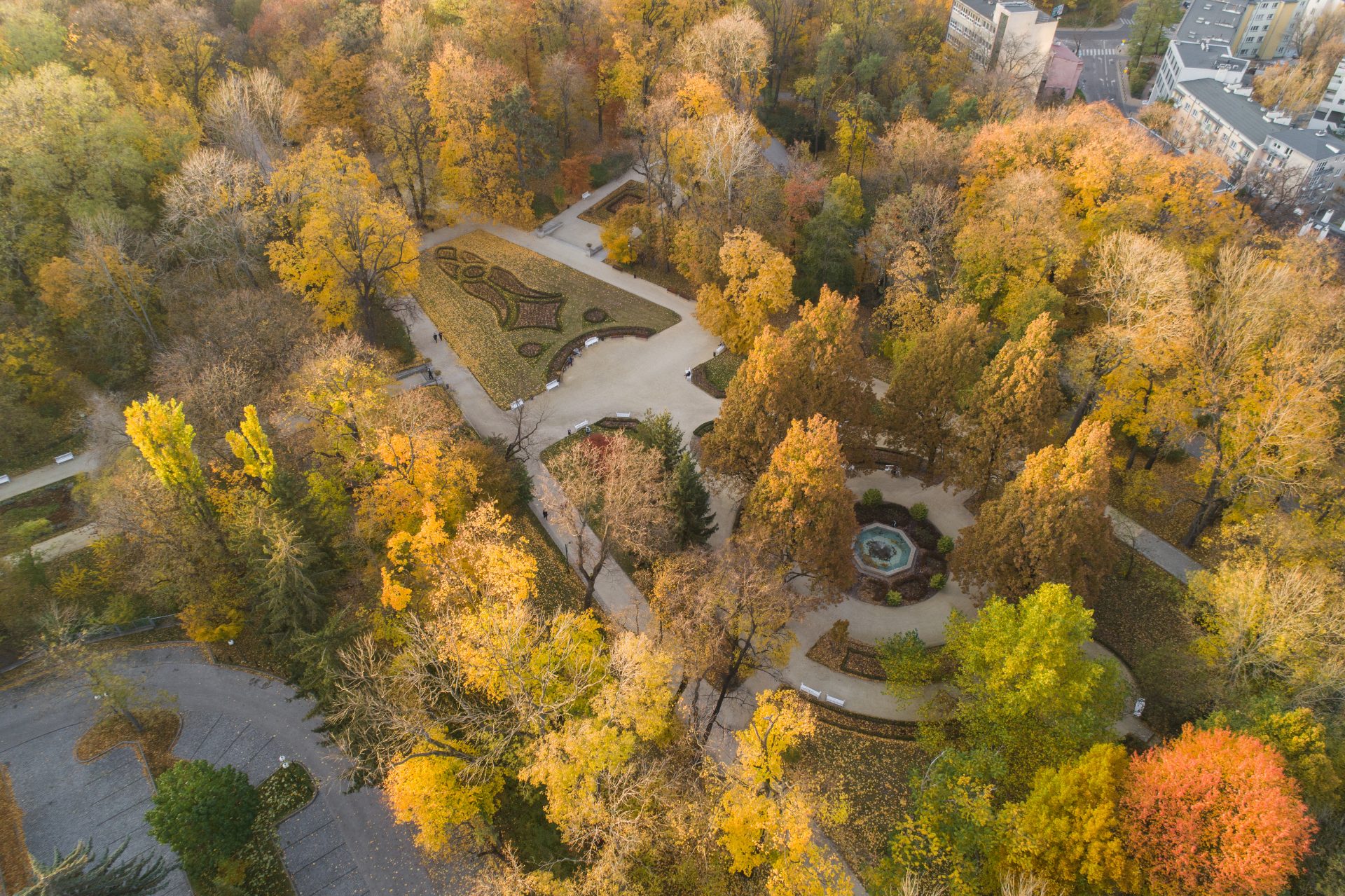
Then there is something Japanese travelers value particularly highly: nature. For someone living in Tokyo, a megacity of almost 40 million people, Lublin’s parks, greenery and slower rhythm can feel like a genuine luxury. We seem to overlook that our city offers the unusual combination of an historic European centre and plenty of space to breathe. Closeness to National Parks and UNESCO Sites are something not to ignore as well.
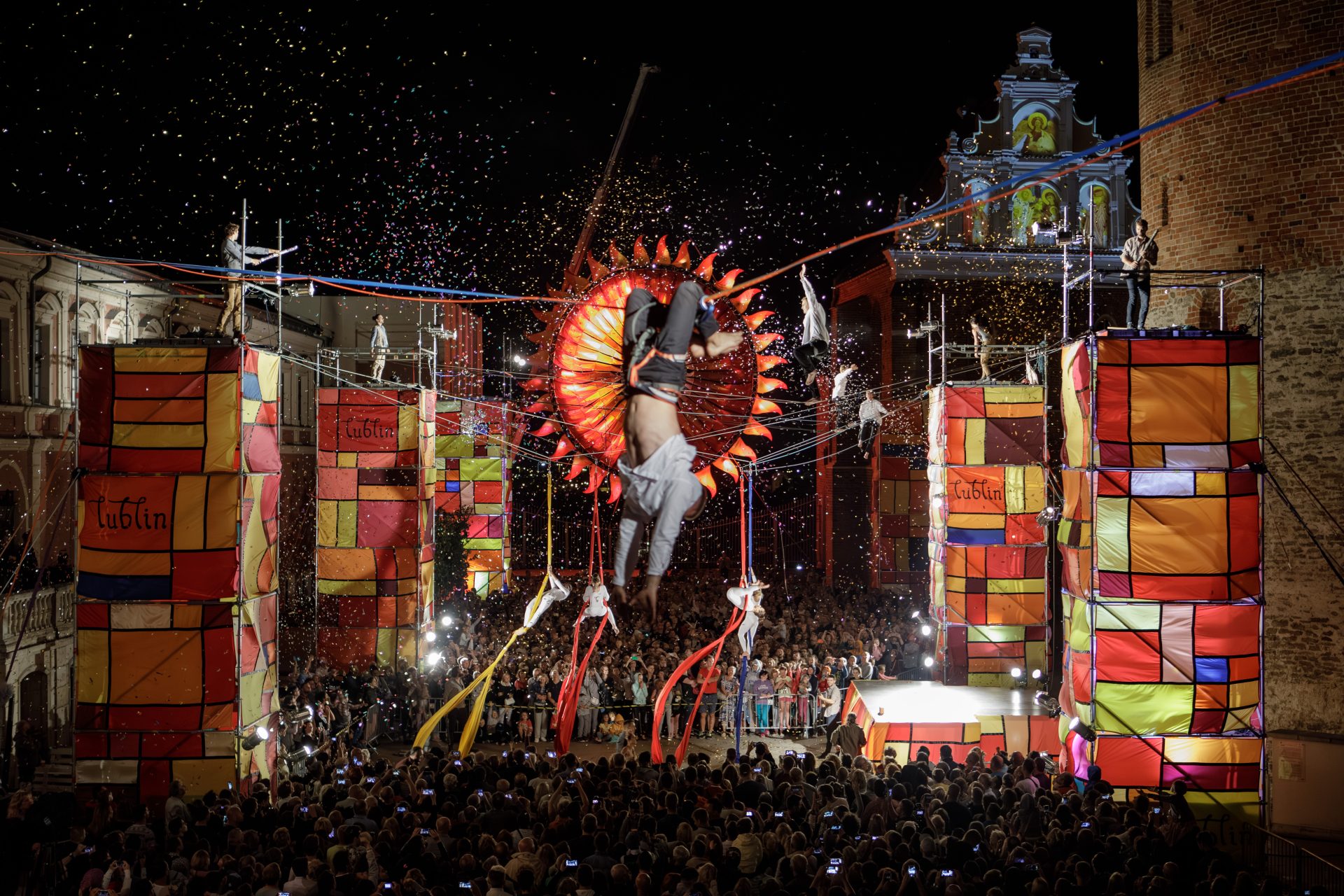
Lublin’s festivals can also feel unexpectedly familiar. Re:tradycja, with its focus on traditional culture and craftsmanship, and Carnaval Sztukmistrzów, which transforms the city into a huge stage for contemporary circus and street performance, have something of the energy of a Japanese matsuri – different in form, but similar in their ability to bring people together in public space.
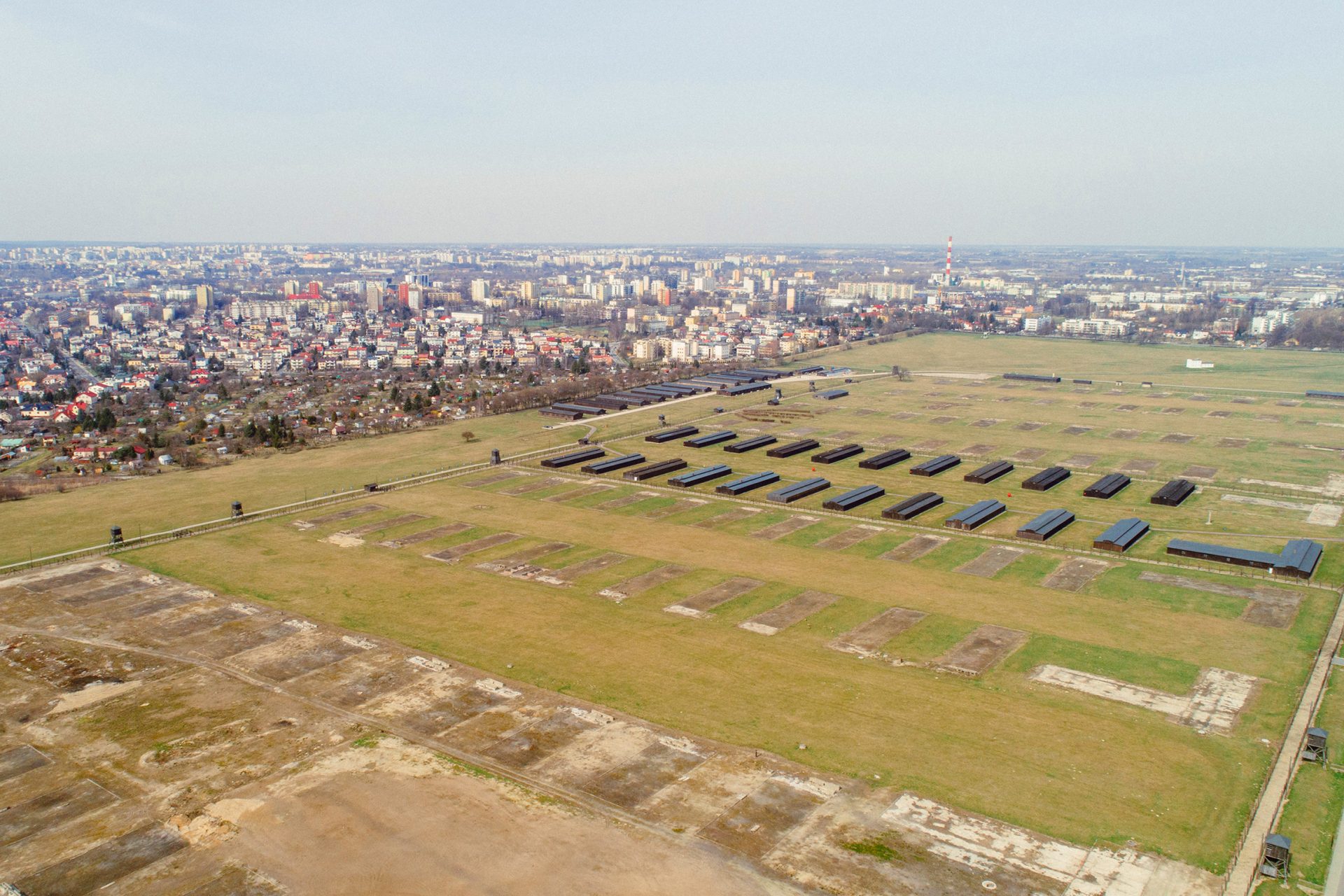
Lublin’s difficult history offers another point of connection. For Japanese visitors interested in history and memory, exploring the story of the Holocaust in the city – from the former Jewish quarter to the State Museum at Majdanek – can take on a particularly powerful and contemplative dimension, much different from other places like that.
pht. Maciej Rukasz
These are not simply attractions to be packaged into a tour. They are qualities of the city that need to be understood and worked with carefully. And this is something interesting for a guest we truly want to host.
The luxury of an authentic city
Four days of meetings, presentations and conversations with the tourism industry in Tokyo reinforced one clear point: there is a growing market for cultural travel that goes beyond Europe’s most famous destinations.
The appeal is not about competing with Paris, Rome or Prague on their terms. It is about offering something different. Lublin is walkable, culturally distinctive and still relatively free from the crowds that increasingly define many historic European cities. Its Old Town is alive rather than over-curated. Its cultural scene is active throughout the year. Its traditions are still practiced. And its identity has not been flattened into a product designed solely for tourists.
For East Asian travellers, these qualities can be particularly compelling.
pht. Maciej Rukasz
The European Capital of Culture title adds another layer. In 2029, Lublin will have an extraordinary concentration of cultural events, international projects and new reasons to visit. But the opportunity for tourism begins much earlier.
The two Tokyo bloggers walking through the Old Town were not waiting for 2029. Neither were the Japanese volleyball fans coming to see Ran Takahashi nor the travellers already arriving as part of organised tours.
Building the journey before 2029
This is precisely why the European Capital of Culture Lublin 2029 and LOT Metropolia Lublin are working together on international tourism promotion already.
The objective is not simply to bring more people to Lublin for one year. It is to build relationships with markets, tour operators, media and travellers early enough for Lublin to become a recognisable destination before 2029 – and to make sure the attention generated by the title can continue long after it.
For the ECoC programme, international tourism is also part of a wider European dimension. Every new connection is an opportunity to introduce Lublin’s culture, people and identity to a new audience, while learning how the city is perceived outside Poland. For the local tourism sector, these relationships can become very concrete: new itineraries, new partnerships, longer stays and visitors interested in experiencing the city rather than simply ticking it off a list.
pht. Maciej Rukasz
Japan is one of the markets where this approach makes particular sense. It is distant geographically, but not necessarily culturally. The conversations in Tokyo suggest that there is already an audience for what Lublin can offer – authenticity, culture, history, craftsmanship, nature and the feeling of discovering somewhere before everybody else does.
The task now is to turn that interest into lasting connections. Because 2029 should not be the beginning of Lublin’s international tourism story. It should be the moment when a story that has already been carefully built becomes visible to a much larger audience.
text: Maciej Rukasz
Lublin’s participation in Tourism EXPO Japan was made possible thanks to the kind invitation and support of the Polish Tourism Organisation and Maria Orzeł, Director of the Polish National Tourist Office in Tokyo (ZOPOT Tokyo). We are grateful for the opportunity and for their support in presenting Lublin and the European Capital of Culture Lublin 2029 to the East Asian tourism sector.